

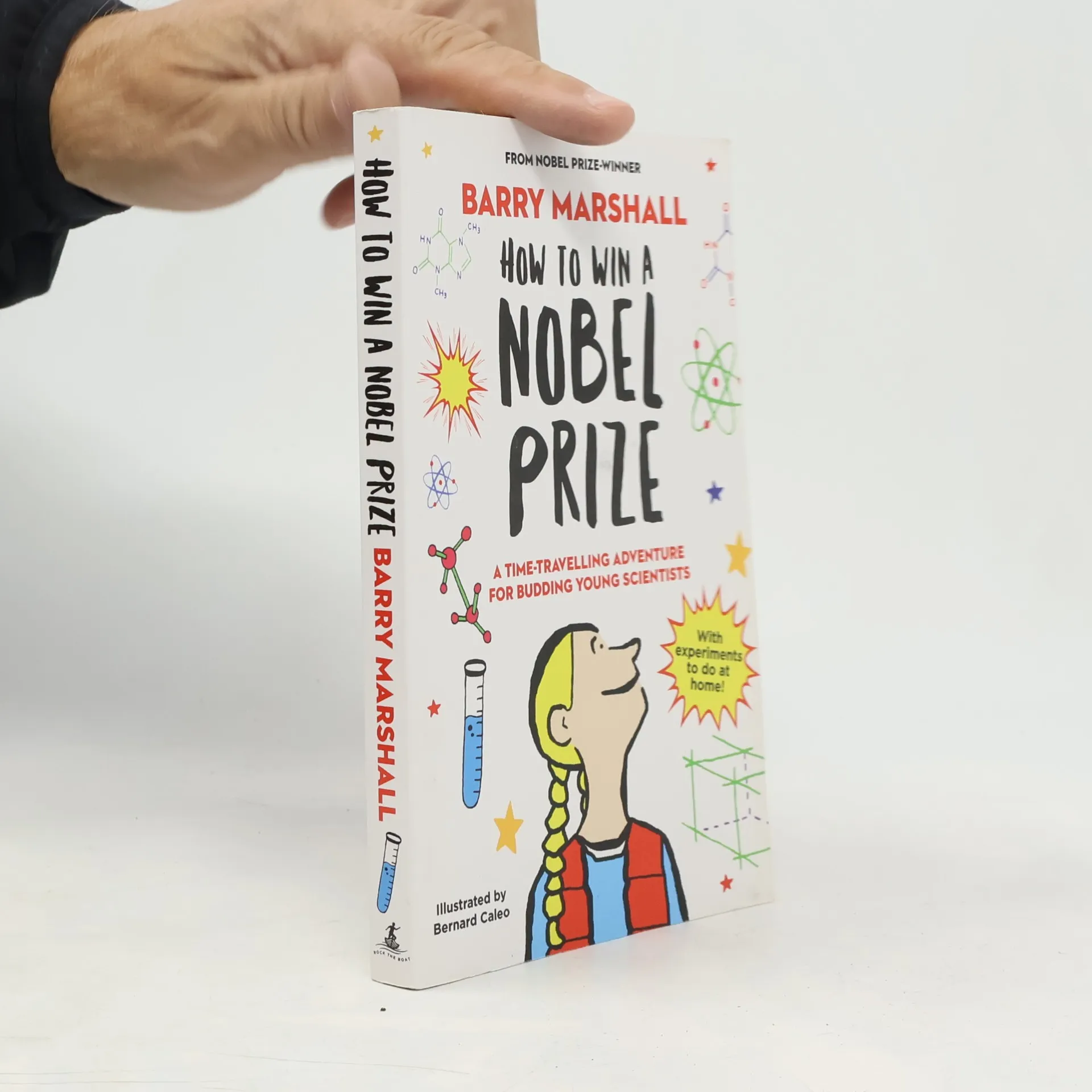
How to Win a Nobel Prize
Parametri
- 192pagine
- 7 ore di lettura
Maggiori informazioni sul libro
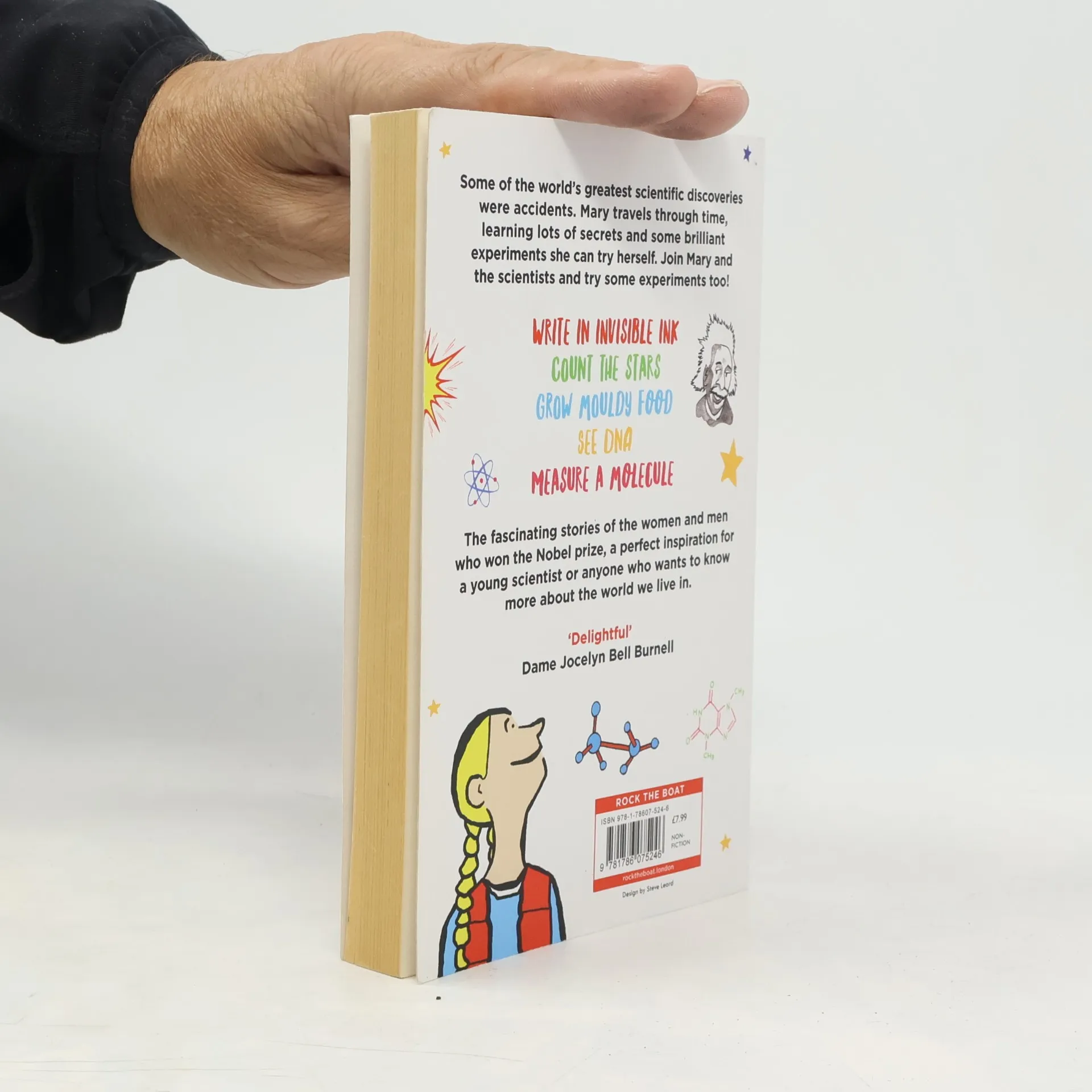
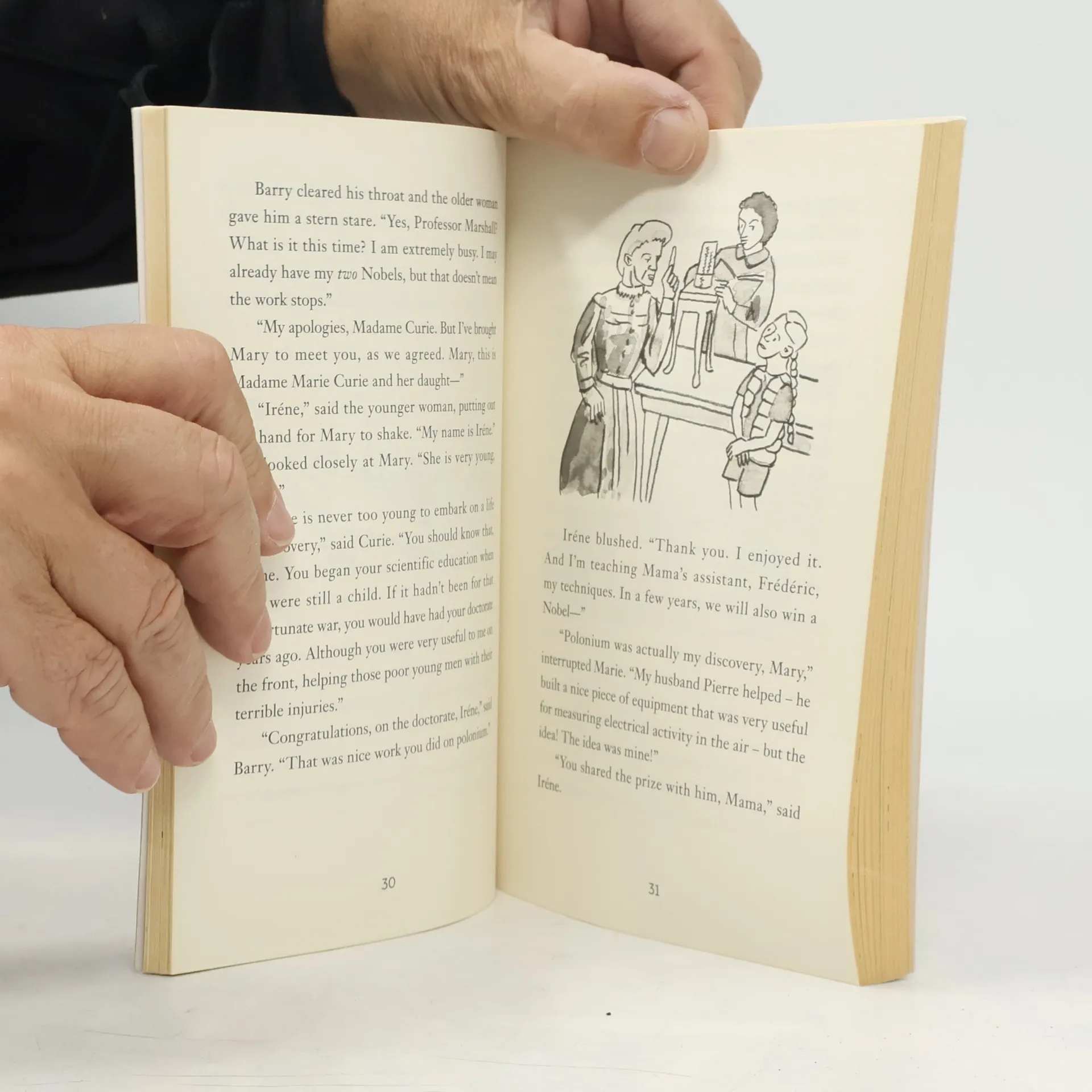
A time-travel adventure for young budding scientistsTen-year-old Mary has always wanted to win a Nobel Prize. She loves running her own science experiments at home. But how can she become a real scientist and win the greatest prize of all?One day Mary stumbles on a secret meeting of Nobel Prize winners. Swearing her to secrecy, Dr Barry Marshall agrees to be her guide as she travels around the world and through time to learn the secrets behind some of the most fascinating and important scientific discoveries. They talk space and time with Albert Einstein, radiation with Marie Curie, DNA with Crick, Watson and Wilkins – and much more.How to Win a Nobel Prize is a funny, fascinating adventure story for ages 9 to 12, and includes experiments that young scientists can do themselves at school or at home.
Acquisto del libro
How to Win a Nobel Prize, Bernard Caleo, Barry Marshall
- Lingua

- Pubblicato
- 2019
- Rilegatura
- (In brossura),
- Condizioni del libro
- In buone condizioni
- Prezzo
- 8,59 €
Metodi di pagamento
Ancora nessuna valutazione.
- Titolo
- How to Win a Nobel Prize
- Lingua
- Inglese
- Autori
- Bernard Caleo, Barry Marshall
- Editore
- Oneworld Publications
- Pubblicato
- 2019
- Formato
- In brossura
- Pagine
- 192
- ISBN10
- 1786075245
- ISBN13
- 9781786075246
- Serie
- Tag
- Avventura, Scienza, Tecnologia, Viaggio nel tempo, Premio Nobel, Scienziati, Albert Einstein, Tecniche di laboratorio
- Descrizione
- A time-travel adventure for young budding scientistsTen-year-old Mary has always wanted to win a Nobel Prize. She loves running her own science experiments at home. But how can she become a real scientist and win the greatest prize of all?One day Mary stumbles on a secret meeting of Nobel Prize winners. Swearing her to secrecy, Dr Barry Marshall agrees to be her guide as she travels around the world and through time to learn the secrets behind some of the most fascinating and important scientific discoveries. They talk space and time with Albert Einstein, radiation with Marie Curie, DNA with Crick, Watson and Wilkins – and much more.How to Win a Nobel Prize is a funny, fascinating adventure story for ages 9 to 12, and includes experiments that young scientists can do themselves at school or at home.