

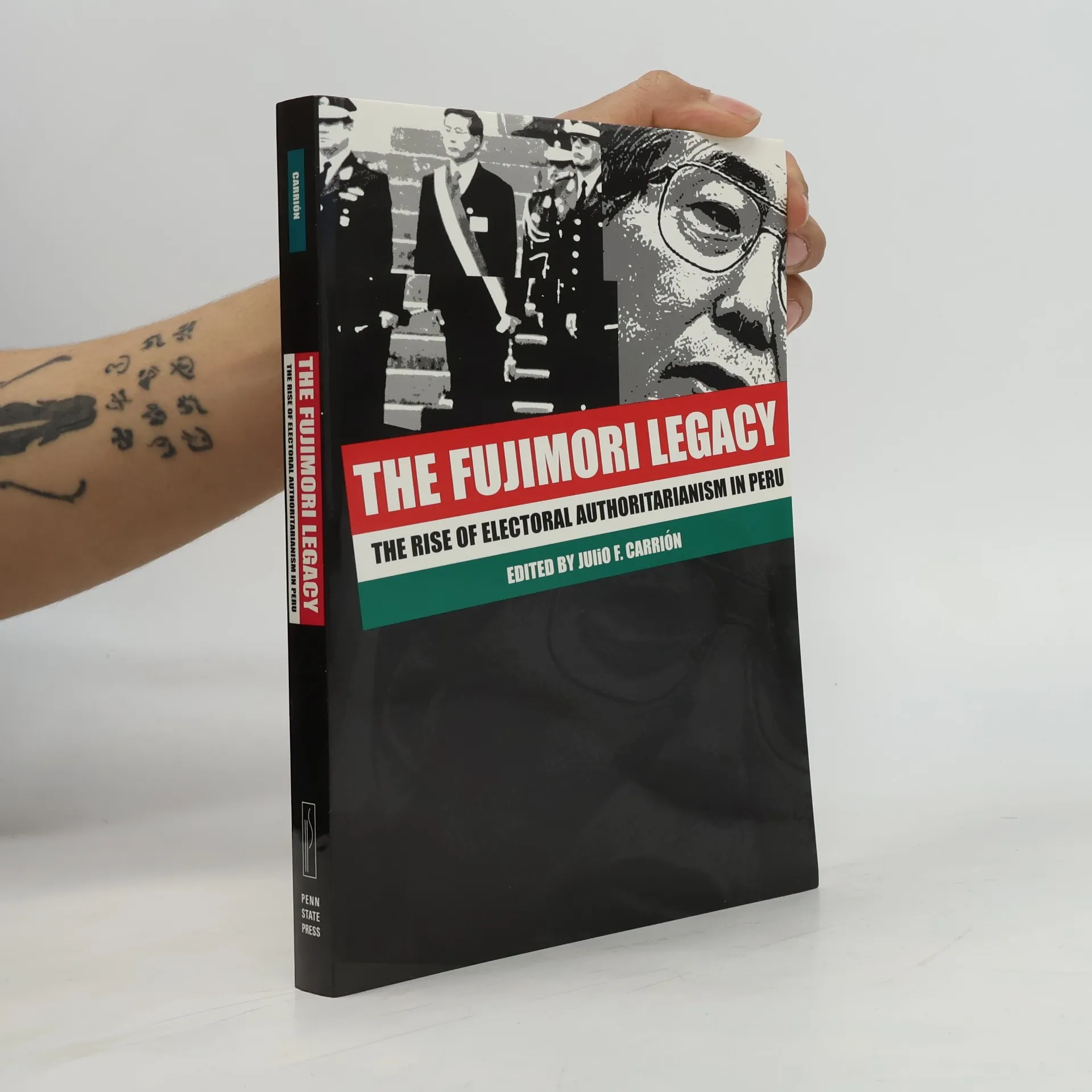

The Fujimori Legacy
The Rise of Electoral Authoritarianism in Peru
Autori
Parametri
- 362pagine
- 13 ore di lettura
Maggiori informazioni sul libro
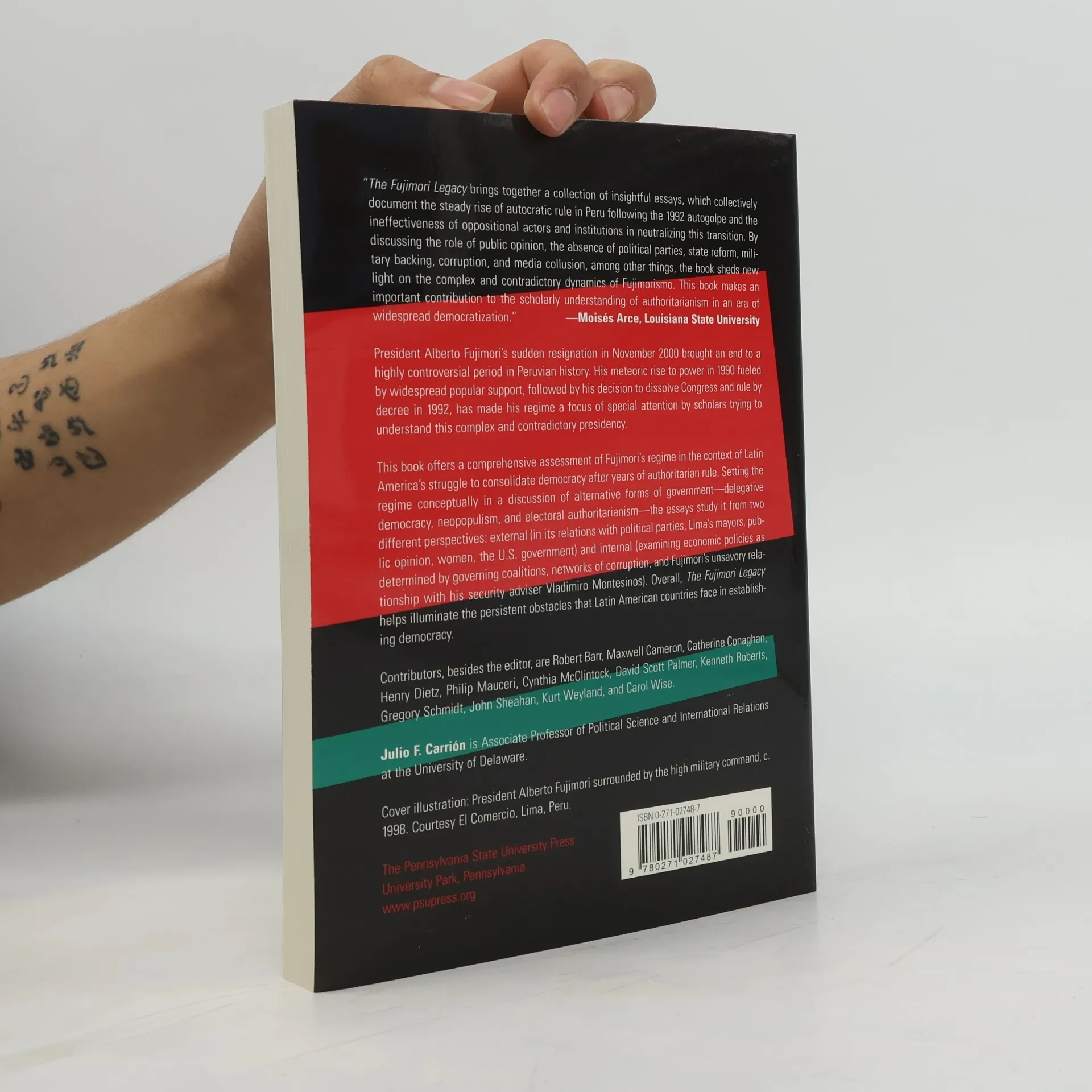
President Alberto Fujimori's resignation in November 2000 marked the end of a controversial era in Peru. His rise to power in 1990, supported by popular backing, was followed by his 1992 decision to dissolve Congress and rule by decree, making his presidency a subject of intense scholarly interest. This work provides a thorough assessment of Fujimori's regime within the broader context of Latin America's struggle to achieve democratic consolidation after prolonged authoritarianism. It situates his governance in discussions of alternative political systems like delegative democracy, neopopulism, and electoral authoritarianism. The essays explore Fujimori's regime from two angles: external factors, including relationships with political parties, public opinion, and the U.S. government, and internal dynamics, such as economic policies shaped by governing coalitions, corruption networks, and his controversial ties with security advisor Vladimiro Montesinos. Overall, it sheds light on the enduring challenges Latin American nations encounter in their quest for democracy. The editor is joined by contributors including Robert Barr, Maxwell Cameron, and others, each offering insights into this complex political legacy.
Acquisto del libro
The Fujimori Legacy, Julio F. Carrión
- Lingua

- Pubblicato
- 2006
- Rilegatura
- (In brossura),
- Condizioni del libro
- In ottime condizioni
- Prezzo
- 33,89 €
Metodi di pagamento
Ancora nessuna valutazione.
- Titolo
- The Fujimori Legacy
- Sottotitolo
- The Rise of Electoral Authoritarianism in Peru
- Lingua
- Inglese
- Autori
- Julio F. Carrión
- Editore
- Penn State University Press
- Pubblicato
- 2006
- Formato
- In brossura
- Pagine
- 362
- ISBN10
- 0271027487
- ISBN13
- 9780271027487
- Serie
- Tag
- Tema stórico, USA, Teorie Politiche, America del Sud, America Latina, Perù, Populismo, Correttezza politica
- Descrizione
- President Alberto Fujimori's resignation in November 2000 marked the end of a controversial era in Peru. His rise to power in 1990, supported by popular backing, was followed by his 1992 decision to dissolve Congress and rule by decree, making his presidency a subject of intense scholarly interest. This work provides a thorough assessment of Fujimori's regime within the broader context of Latin America's struggle to achieve democratic consolidation after prolonged authoritarianism. It situates his governance in discussions of alternative political systems like delegative democracy, neopopulism, and electoral authoritarianism. The essays explore Fujimori's regime from two angles: external factors, including relationships with political parties, public opinion, and the U.S. government, and internal dynamics, such as economic policies shaped by governing coalitions, corruption networks, and his controversial ties with security advisor Vladimiro Montesinos. Overall, it sheds light on the enduring challenges Latin American nations encounter in their quest for democracy. The editor is joined by contributors including Robert Barr, Maxwell Cameron, and others, each offering insights into this complex political legacy.