

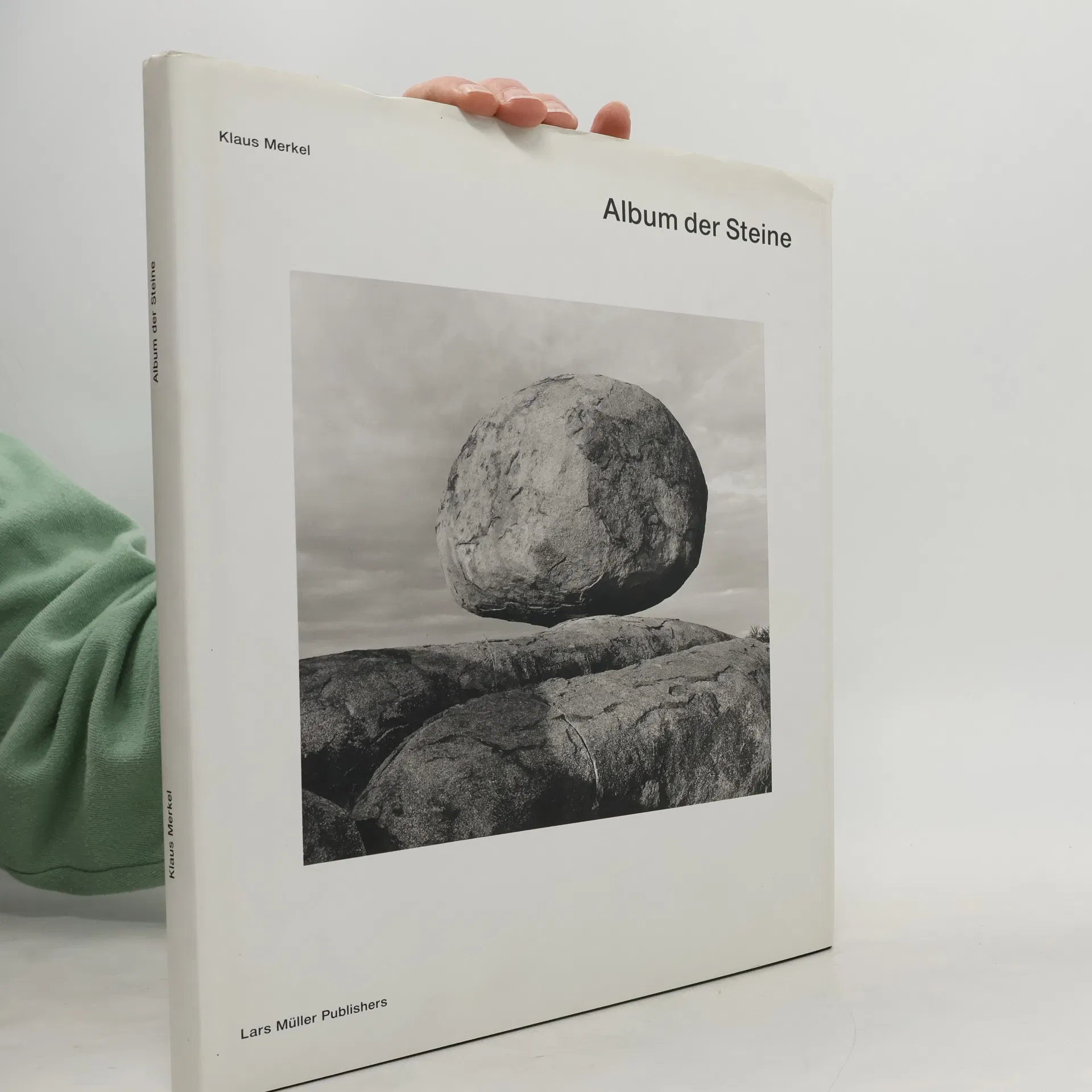
Album der Steine
Das Nichtmehr des Kunstwerks und das Nochnicht des Naturwerks
Autori
Maggiori informazioni sul libro
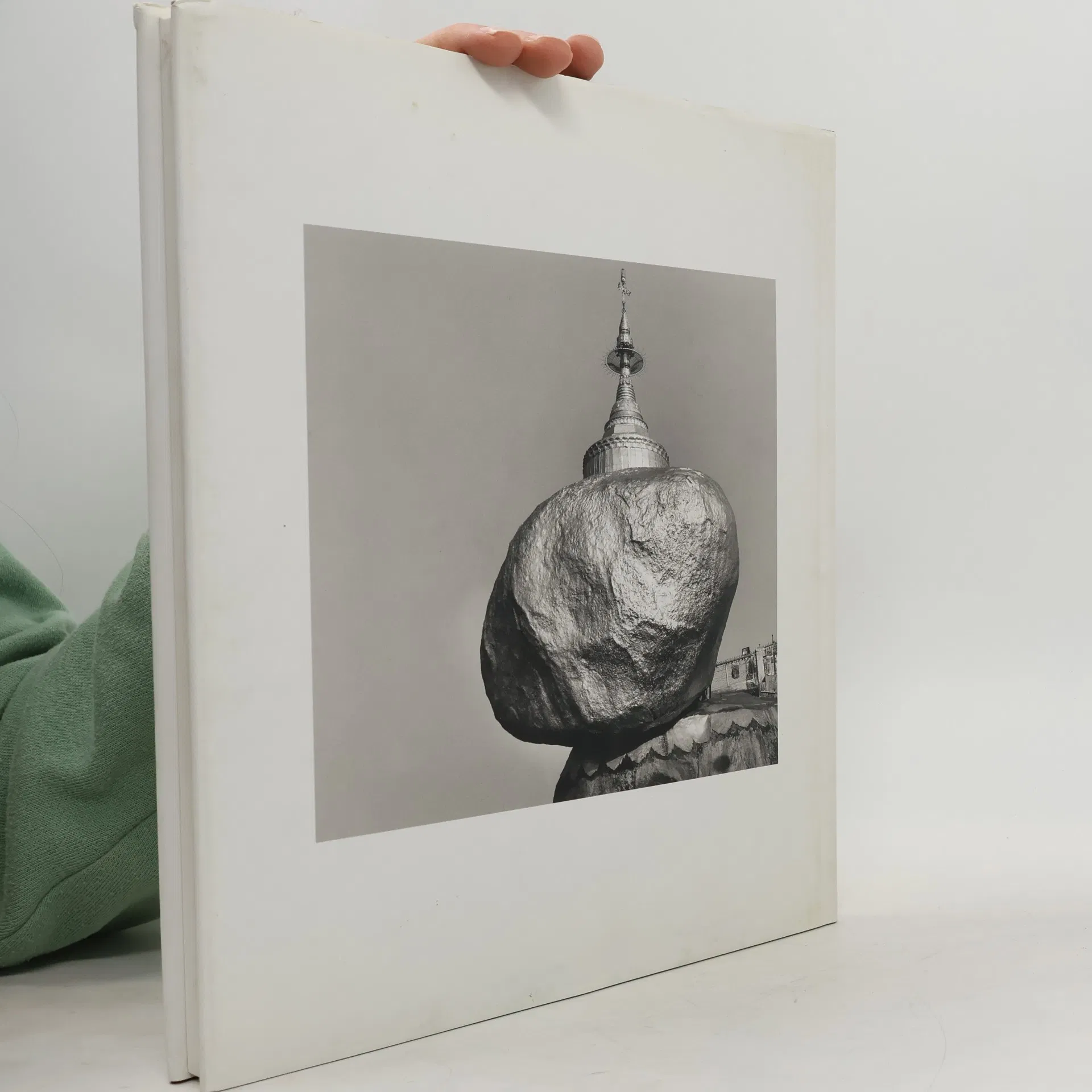
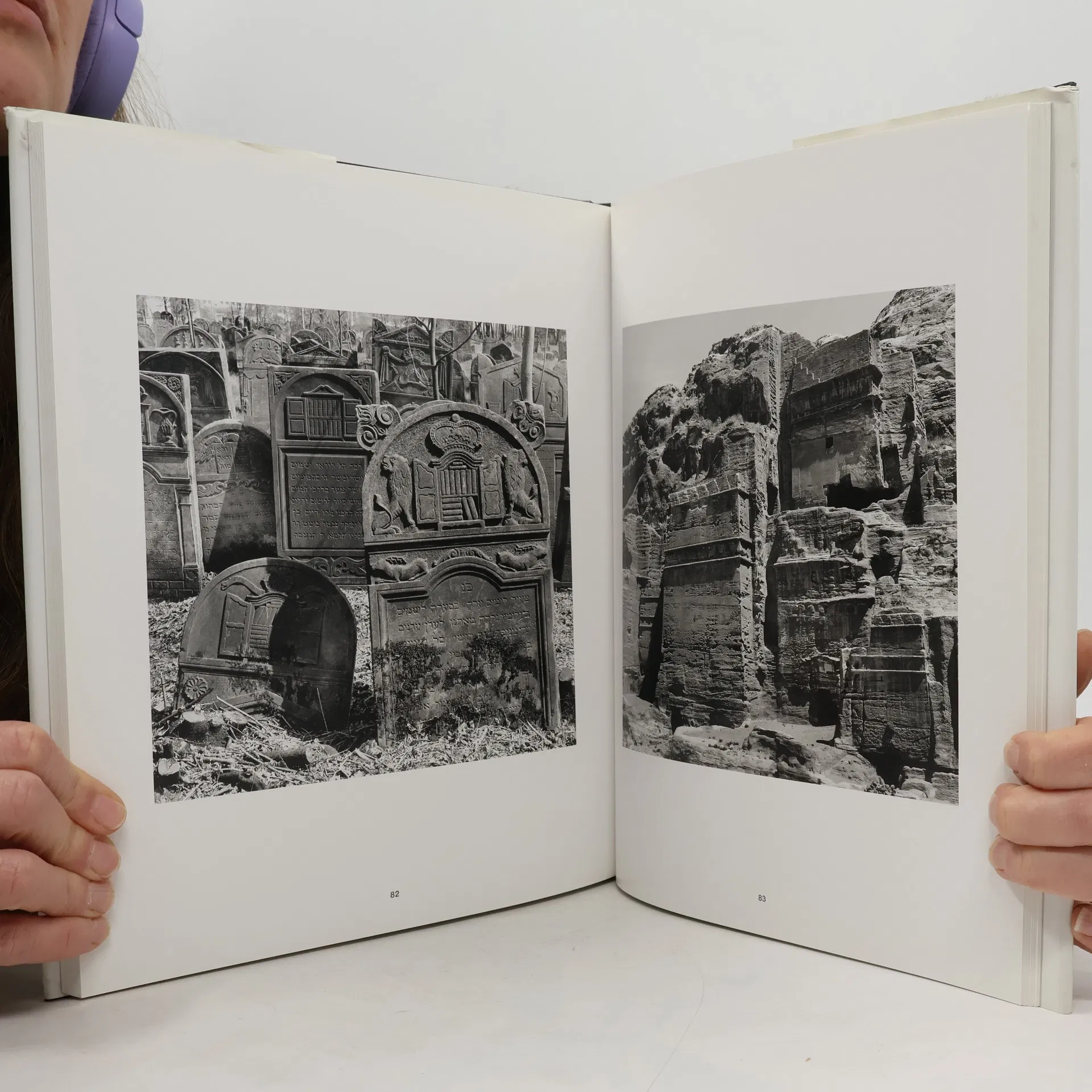
As in his previous book The Reading of Time in the Text of Nature, photographer and artist Klaus Merkel continues to search for--and record in striking black-and-white photographs--structures in nature and architecture that, no matter where they are, exhibit overlapping patterns and configurations, significant deviations and parallels, and resonate in juxtaposition. In this book, he has turned his attention to stones, rock landscapes, as well as man made objects, such as temples, ruins and churches. It is a process that he insists takes patience, sometimes years, both in allowing the force of the photograph to make itself felt over time and in seeking the perfect pair, the other photograph that will reverberate with another in tandem. A creative dialogue unfolds. The pairs of pictures grow together completely imperceptibly and naturally.
Acquisto del libro
Album der Steine, Klaus Merkel
- Lingua

- Pubblicato
- 2005
- Rilegatura
- (Copertina rigida),
- Condizioni del libro
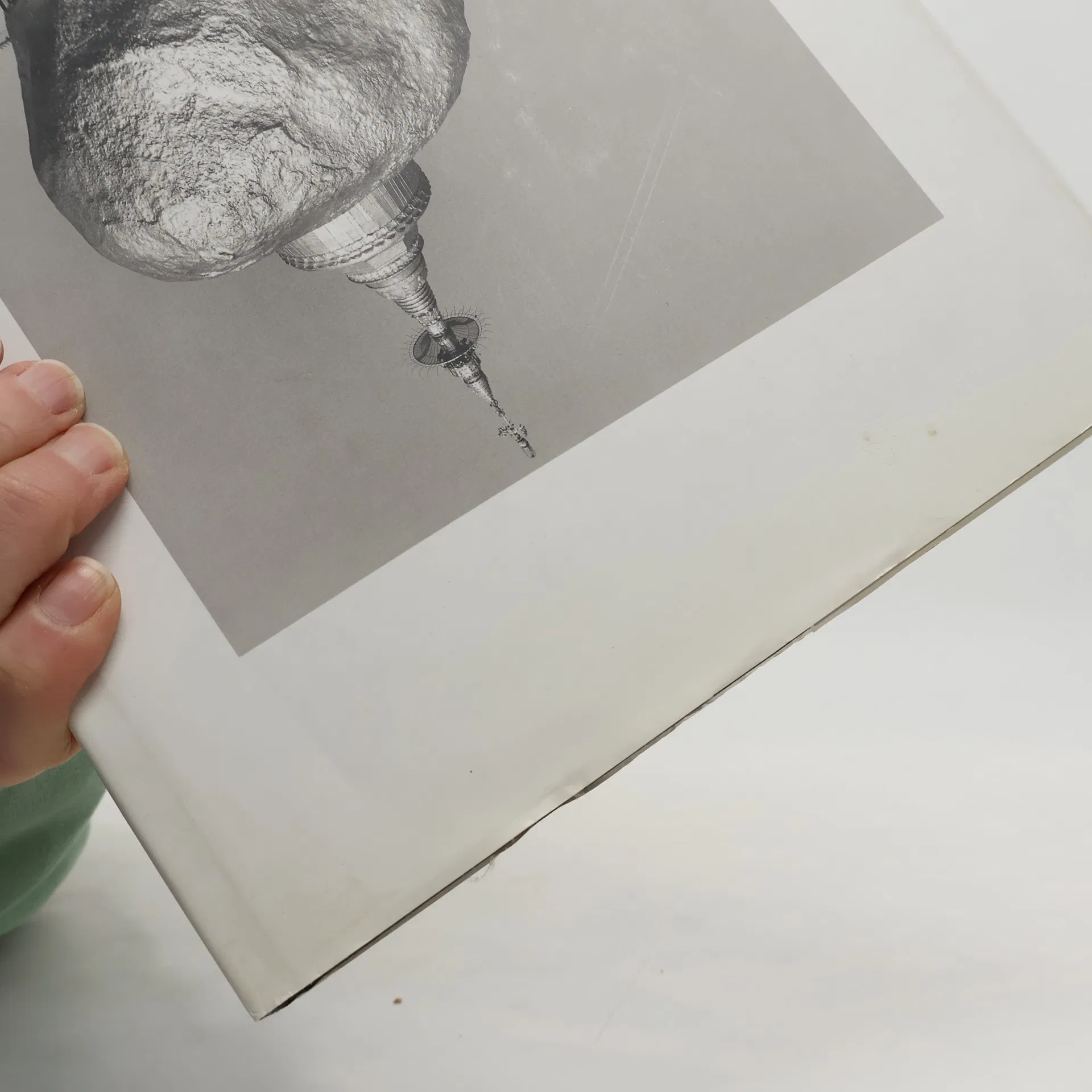
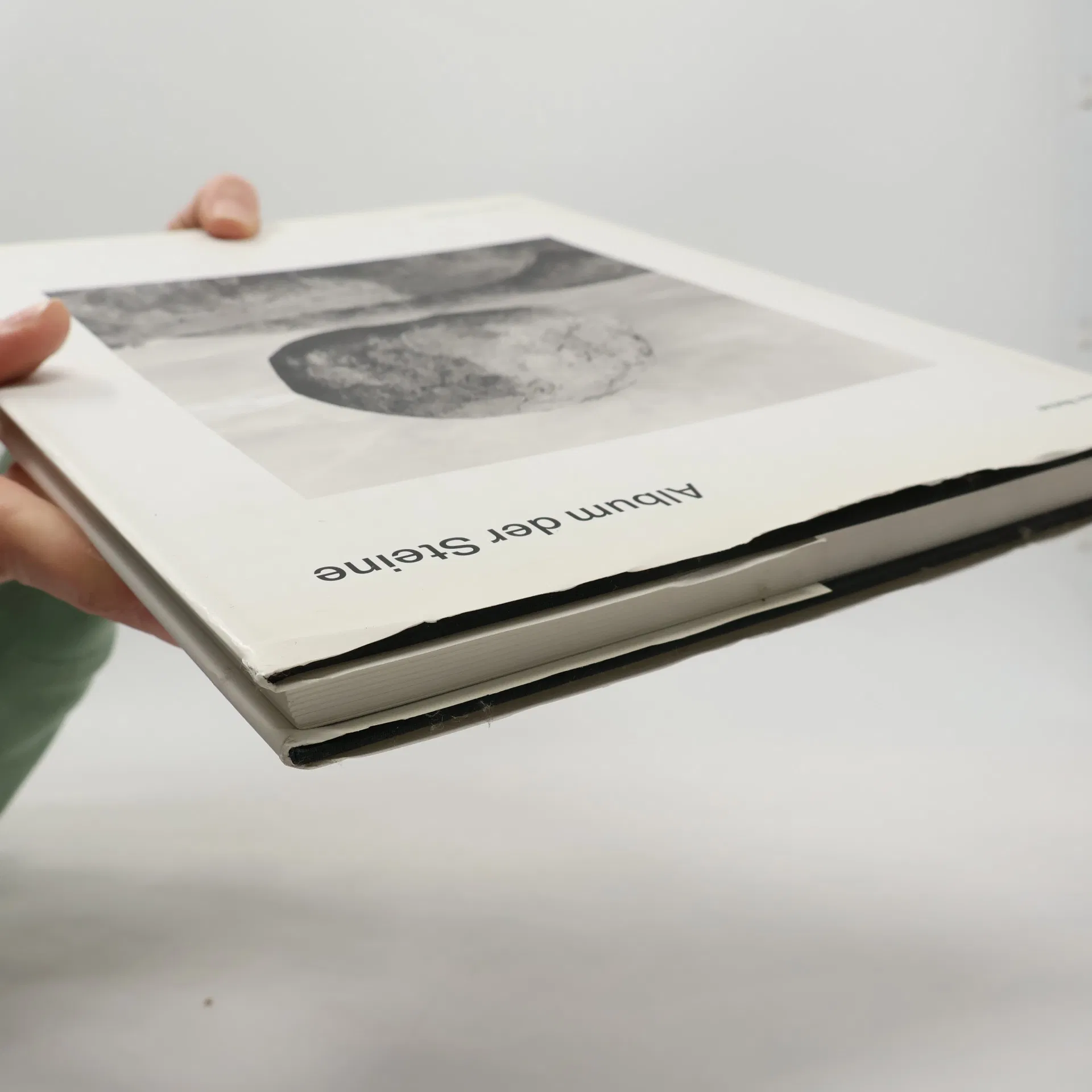
- Danneggiato
- Prezzo
- 26,49 €
Metodi di pagamento
Ancora nessuna valutazione.
- Titolo
- Album der Steine
- Sottotitolo
- Das Nichtmehr des Kunstwerks und das Nochnicht des Naturwerks
- Lingua
- Tedesco
- Autori
- Klaus Merkel
- Editore
- Lars Müller Publishers
- Pubblicato
- 2005
- Formato
- Copertina rigida
- Pagine
- 110
- ISBN10
- 3037780622
- ISBN13
- 9783037780626
- Serie
- Tag
- Arte
- Descrizione
- As in his previous book The Reading of Time in the Text of Nature, photographer and artist Klaus Merkel continues to search for--and record in striking black-and-white photographs--structures in nature and architecture that, no matter where they are, exhibit overlapping patterns and configurations, significant deviations and parallels, and resonate in juxtaposition. In this book, he has turned his attention to stones, rock landscapes, as well as man made objects, such as temples, ruins and churches. It is a process that he insists takes patience, sometimes years, both in allowing the force of the photograph to make itself felt over time and in seeking the perfect pair, the other photograph that will reverberate with another in tandem. A creative dialogue unfolds. The pairs of pictures grow together completely imperceptibly and naturally.