

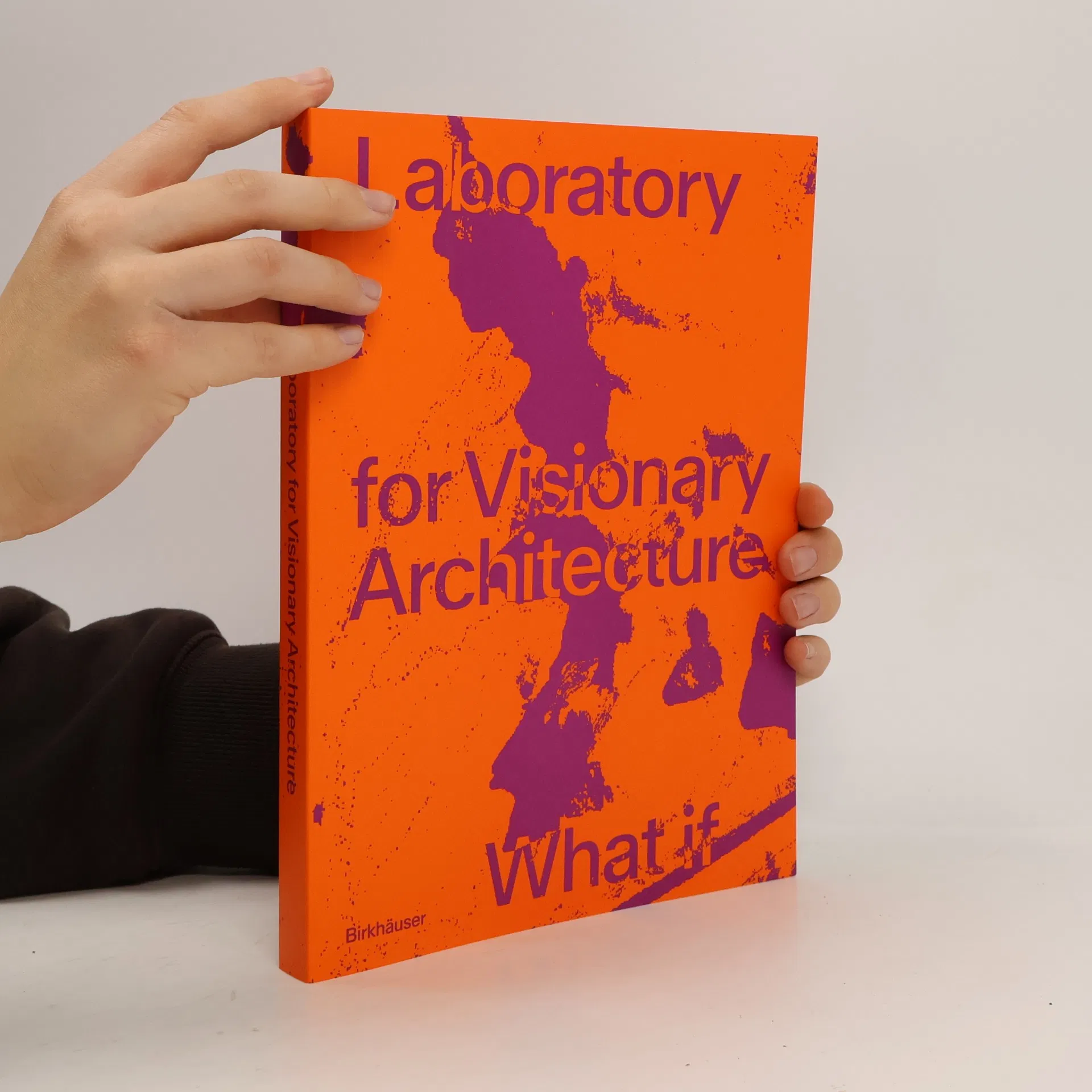
LAVA Laboratory for Visionary Architecture
What If
Autori
Maggiori informazioni sul libro
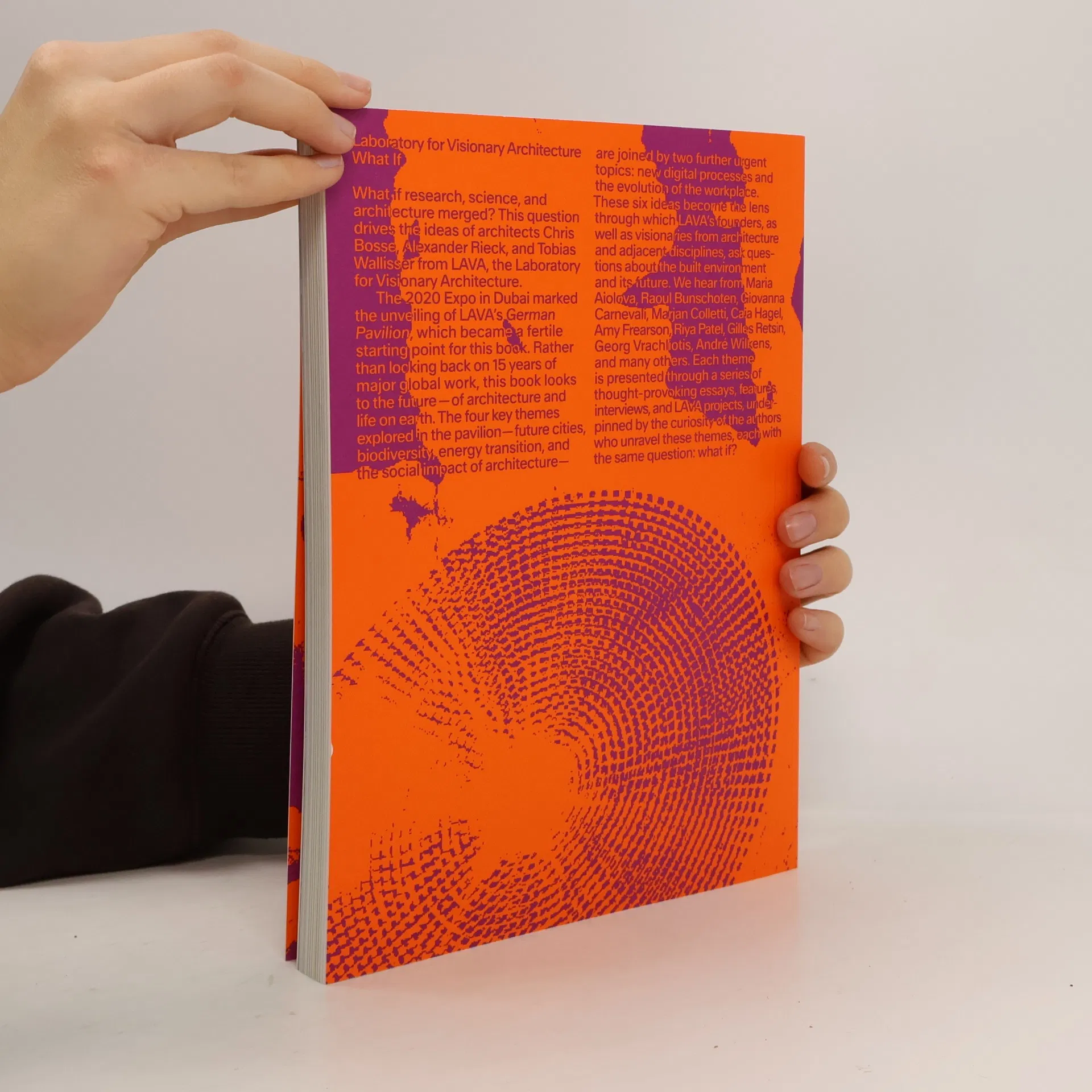
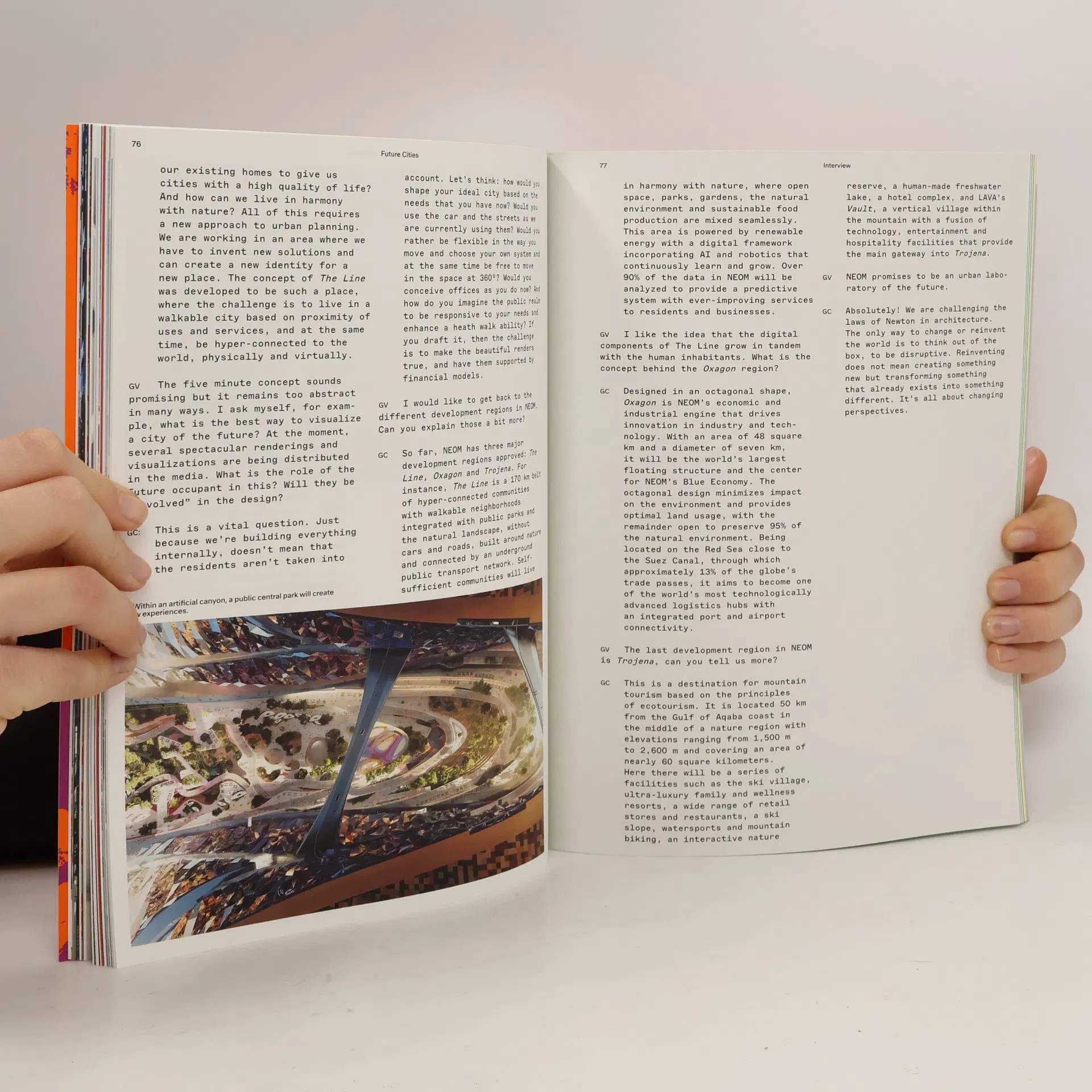
Monograph questioning What if research, science and architecture were merged? LAVA is an architecture studio founded by Tobias Wallisser, Chris Bosse, and Alexander Rieck with offices in Germany, Vietnam, and Australia. The German Pavilion for Expo 20 is an example of the eloquence with which LAVA responds to issues of the day. The three core themes of the book – Cities of the Future, Biodiversity, as well as Energy and Sustainability – are complemented by the subjects “Connecting Minds,” meaning social and political architecture, “Digital Processes and Technologies,” and “New Work” and explored together throughout the six chapters of this book. In addition to projects and their derivation, architectural and sociological thinkers elaborate on their ideas on these topics – creatively, speculatively, and thoughtfully.
Acquisto del libro
LAVA Laboratory for Visionary Architecture, Tobias Wallisser
- Lingua

- Pubblicato
- 2022
- Rilegatura
- (In brossura),
- Condizioni del libro
- In ottime condizioni
- Prezzo
- 36,99 €
Metodi di pagamento
Ancora nessuna valutazione.
- Titolo
- LAVA Laboratory for Visionary Architecture
- Sottotitolo
- What If
- Lingua
- Inglese
- Autori
- Tobias Wallisser
- Editore
- Birkhäuser
- Pubblicato
- 2022
- Formato
- In brossura
- Pagine
- 224
- ISBN10
- 3035625565
- ISBN13
- 9783035625561
- Serie
- Categoria
- Tag
- Arte, Architettura, Germania, Dubai
- Descrizione
- Monograph questioning What if research, science and architecture were merged? LAVA is an architecture studio founded by Tobias Wallisser, Chris Bosse, and Alexander Rieck with offices in Germany, Vietnam, and Australia. The German Pavilion for Expo 20 is an example of the eloquence with which LAVA responds to issues of the day. The three core themes of the book – Cities of the Future, Biodiversity, as well as Energy and Sustainability – are complemented by the subjects “Connecting Minds,” meaning social and political architecture, “Digital Processes and Technologies,” and “New Work” and explored together throughout the six chapters of this book. In addition to projects and their derivation, architectural and sociological thinkers elaborate on their ideas on these topics – creatively, speculatively, and thoughtfully.