

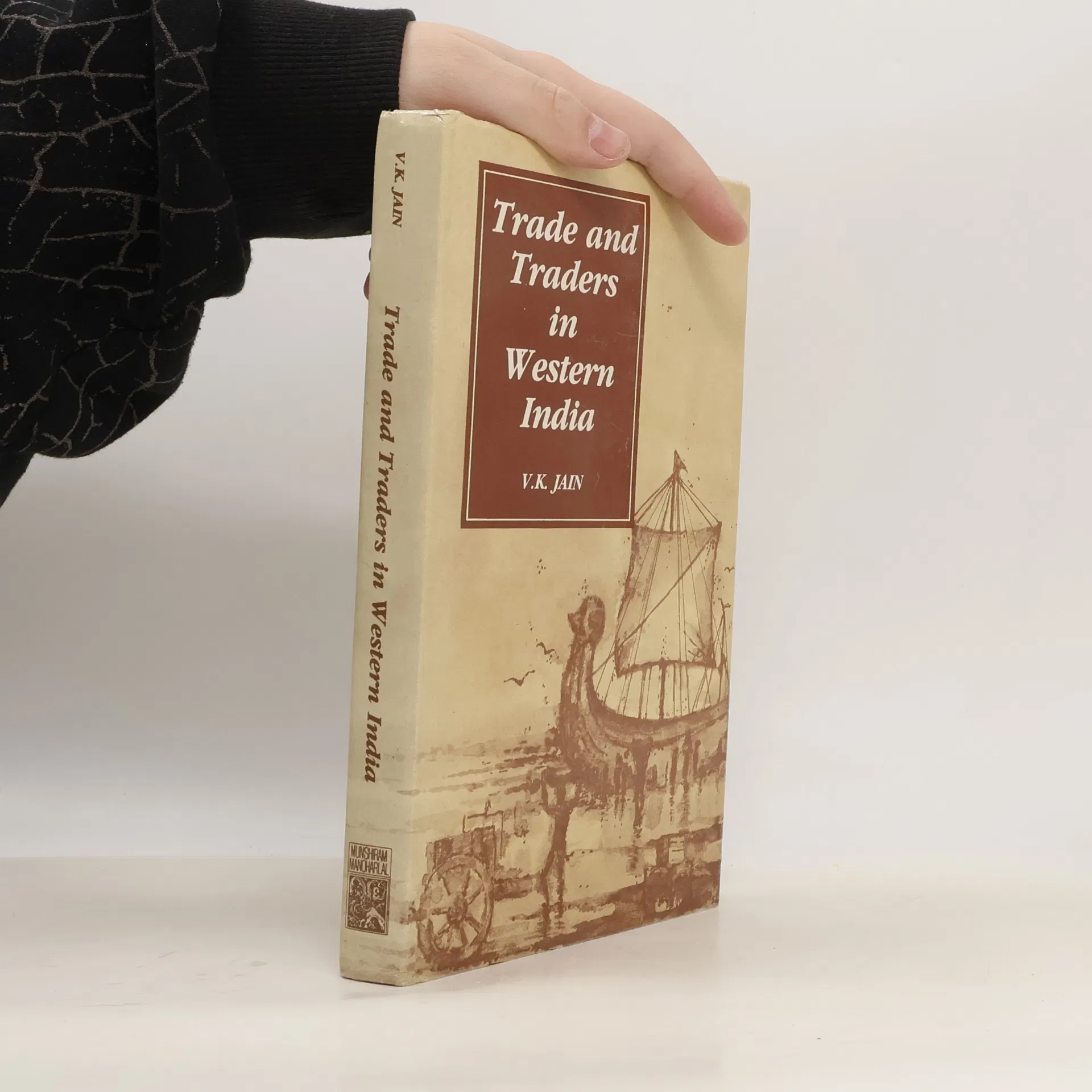
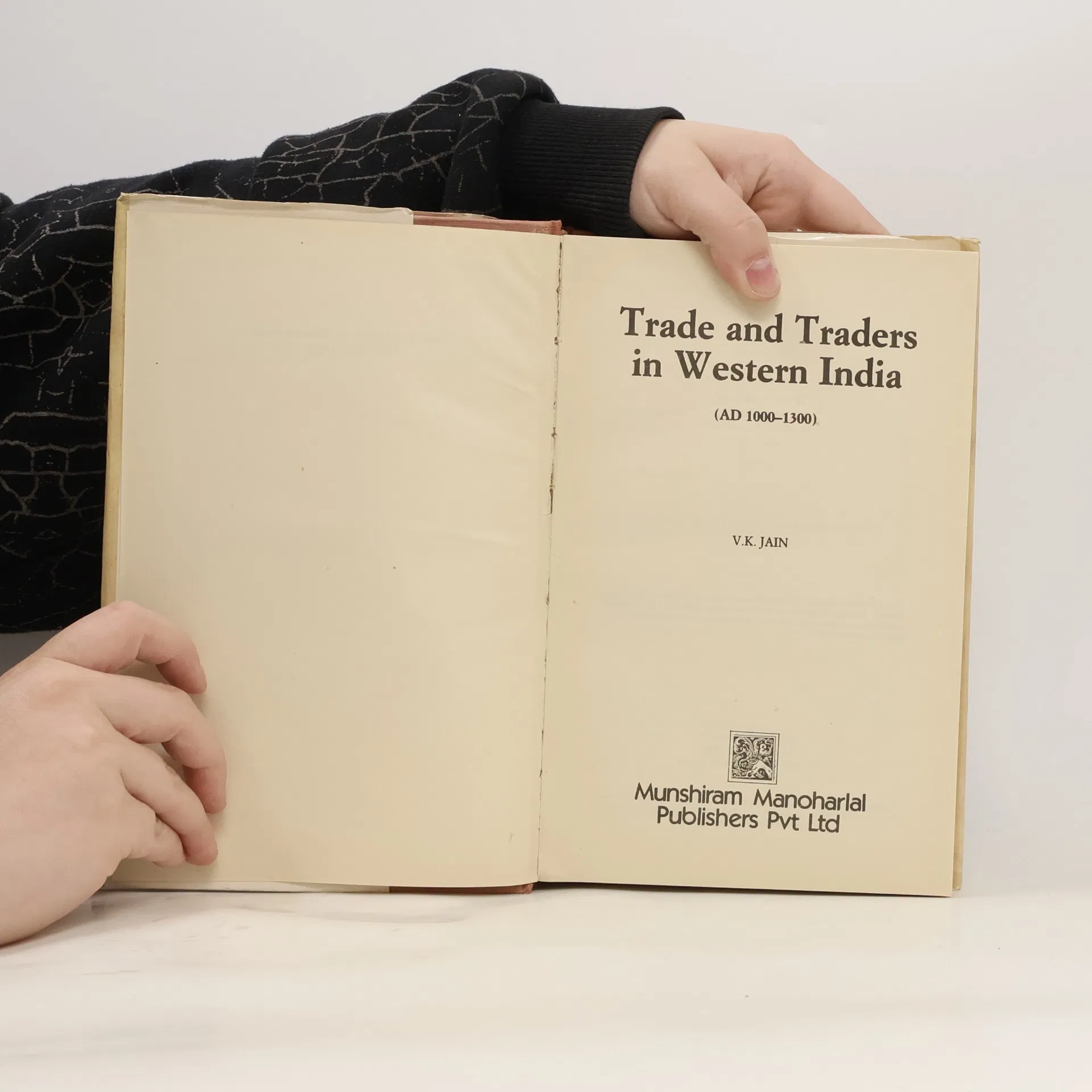
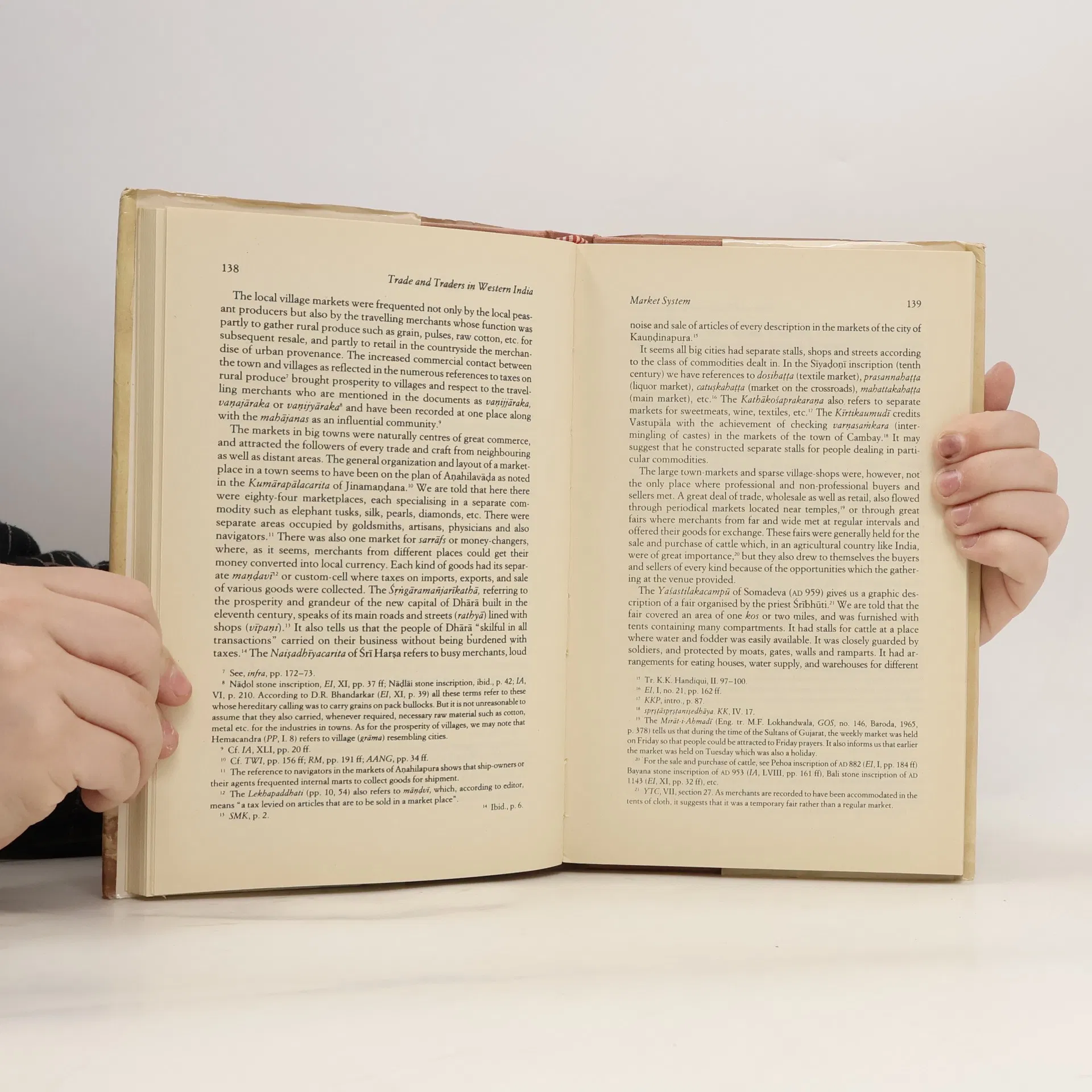
Trade and Traders in Western India
Autori
Maggiori informazioni sul libro
Production and consumption are the two main activities of man. But between these two lies the "sphere of circulation". The present work deals with the forms, functions and dynamics of this "circulation" against the backdrop of social surplus and demographic changes over a period of three hundred years (AD 1000-1300) in western India. The interplay of trade routes and towns, conveyance and commodities, market system and money economy and other factors through which commercial forces operate has also been highlighted. In the sphere of foreign trade, the role of Arab traders and their relations with local kings and merchants have been discussed in the context of changing economic scenario of the time. The growth of commercial activity led to the emergence of a hierarchy of traders, big and small. While petty trader was an object of social disdain, a big merchant with his accumulated wealth enjoyed great power and prestige in society and even the ruling elite reacted favourably to his influence and demands. An attempt has been made here to study the character, composition and role of mercantile community within the framework of conflict, adjustment and reconciliation among different socio-economic groups.
Acquisto del libro
Trade and Traders in Western India, V. K. Jain
- Lingua

- Pubblicato
- 1990
- Rilegatura
- (Copertina rigida),
- Condizioni del libro
- Danneggiato
- Prezzo
- 14,49 €
Metodi di pagamento
Ancora nessuna valutazione.
- Titolo
- Trade and Traders in Western India
- Lingua
- Inglese
- Autori
- V. K. Jain
- Editore
- South Asia Books
- Pubblicato
- 1990
- Formato
- Copertina rigida
- Pagine
- 303
- ISBN10
- 8121504708
- ISBN13
- 9788121504706
- Serie
- Categoria
- Descrizione
- Production and consumption are the two main activities of man. But between these two lies the "sphere of circulation". The present work deals with the forms, functions and dynamics of this "circulation" against the backdrop of social surplus and demographic changes over a period of three hundred years (AD 1000-1300) in western India. The interplay of trade routes and towns, conveyance and commodities, market system and money economy and other factors through which commercial forces operate has also been highlighted. In the sphere of foreign trade, the role of Arab traders and their relations with local kings and merchants have been discussed in the context of changing economic scenario of the time. The growth of commercial activity led to the emergence of a hierarchy of traders, big and small. While petty trader was an object of social disdain, a big merchant with his accumulated wealth enjoyed great power and prestige in society and even the ruling elite reacted favourably to his influence and demands. An attempt has been made here to study the character, composition and role of mercantile community within the framework of conflict, adjustment and reconciliation among different socio-economic groups.