

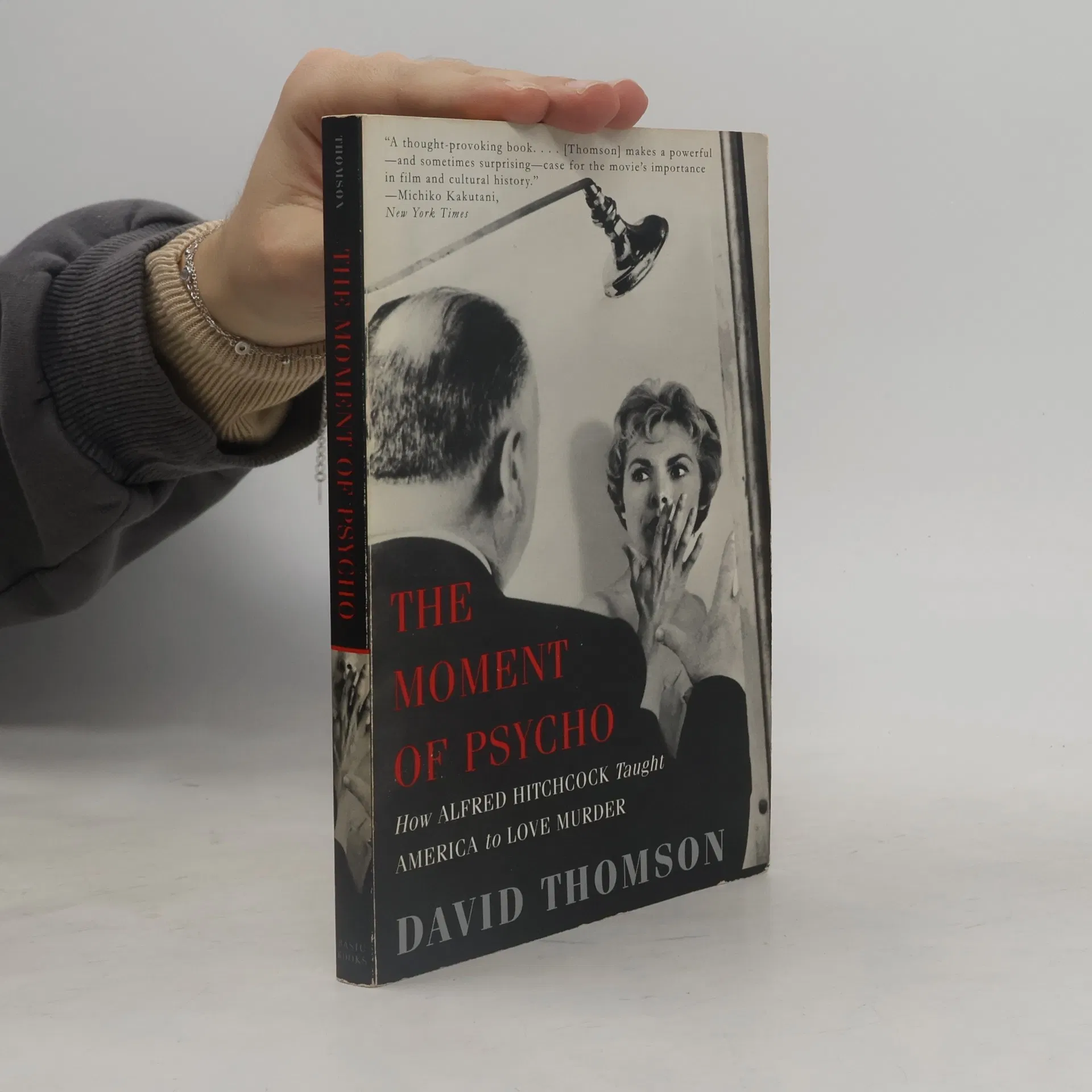
The Moment of Psycho
How Alfred Hitchcock Taught America to Love Murder
Autori
Parametri
- 192pagine
- 7 ore di lettura
Maggiori informazioni sul libro
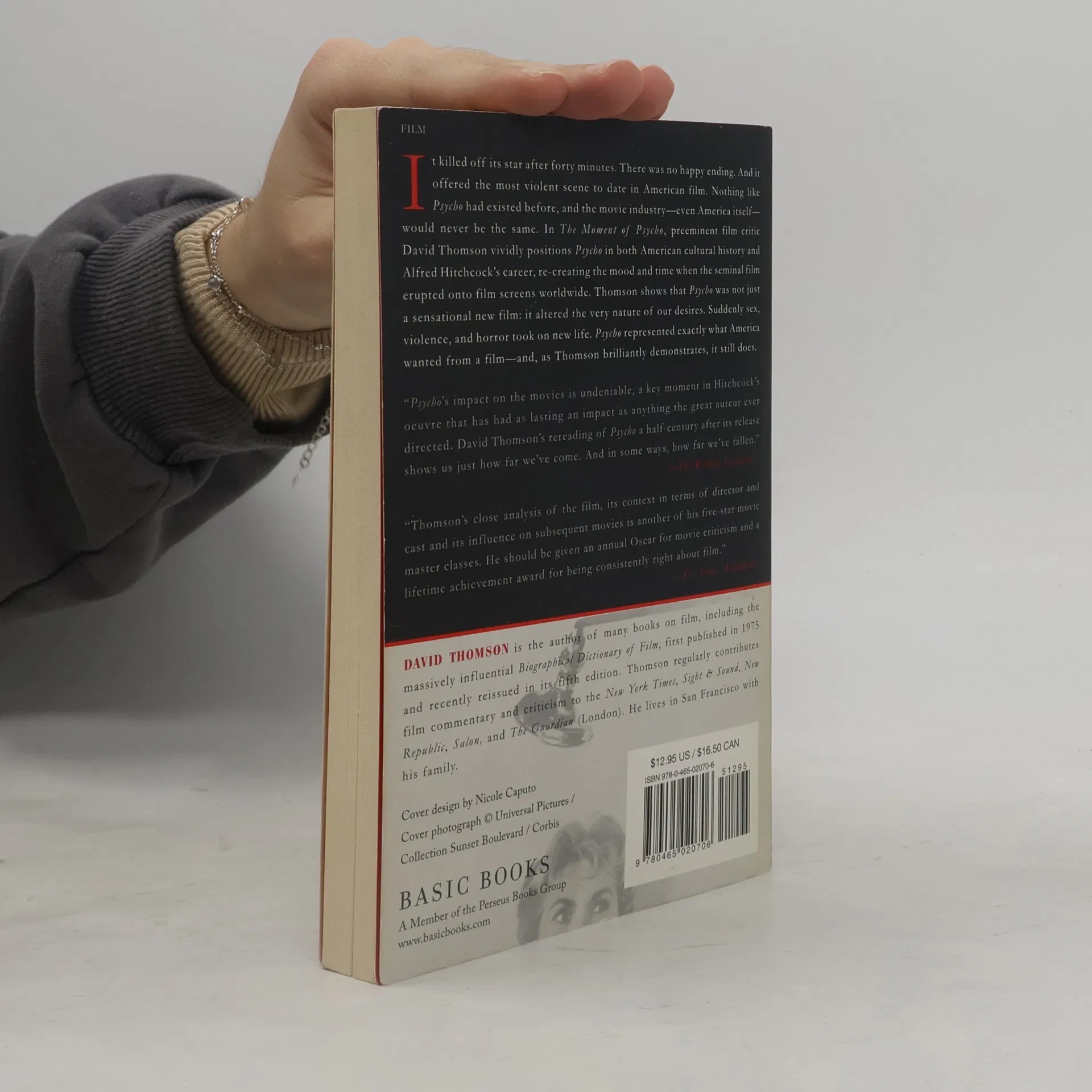
It was made like a television movie, and completed in less than three months. It killed off its star in forty minutes. There was no happy ending. And it offered the most violent scene to date in American film, punctuated by shrieking strings that seared the national consciousness. Nothing like <i>Psycho</i> had existed before; the movie industry -- even America itself -- would never be the same. In <i>The Moment of Psycho</i>, film critic David Thomson situates Psycho in Alfred Hitchcock's career, recreating the mood and time when the seminal film erupted onto film screens worldwide. Thomson shows that <i>Psycho</i> was not just a sensation in film: it altered the very nature of our desires. Sex, violence, and horror took on new life. <i>Psycho</i>, all of a sudden, represented all America wanted from a film -- and, as Thomson brilliantly demonstrates, still does.
Acquisto del libro
The Moment of Psycho, David Thomson
- Lingua

- Pubblicato
- 2010
- Rilegatura
- (In brossura),
- Condizioni del libro
- In buone condizioni
- Prezzo
- 6,09 €
Metodi di pagamento
Ancora nessuna valutazione.
- Titolo
- The Moment of Psycho
- Sottotitolo
- How Alfred Hitchcock Taught America to Love Murder
- Lingua
- Inglese
- Autori
- David Thomson
- Editore
- Basic Books
- Pubblicato
- 2010
- Formato
- In brossura
- Pagine
- 192
- ISBN10
- 0465020704
- ISBN13
- 9780465020706
- Serie
- Descrizione
- It was made like a television movie, and completed in less than three months. It killed off its star in forty minutes. There was no happy ending. And it offered the most violent scene to date in American film, punctuated by shrieking strings that seared the national consciousness. Nothing like <i>Psycho</i> had existed before; the movie industry -- even America itself -- would never be the same. In <i>The Moment of Psycho</i>, film critic David Thomson situates Psycho in Alfred Hitchcock's career, recreating the mood and time when the seminal film erupted onto film screens worldwide. Thomson shows that <i>Psycho</i> was not just a sensation in film: it altered the very nature of our desires. Sex, violence, and horror took on new life. <i>Psycho</i>, all of a sudden, represented all America wanted from a film -- and, as Thomson brilliantly demonstrates, still does.