



Maggiori informazioni sul libro
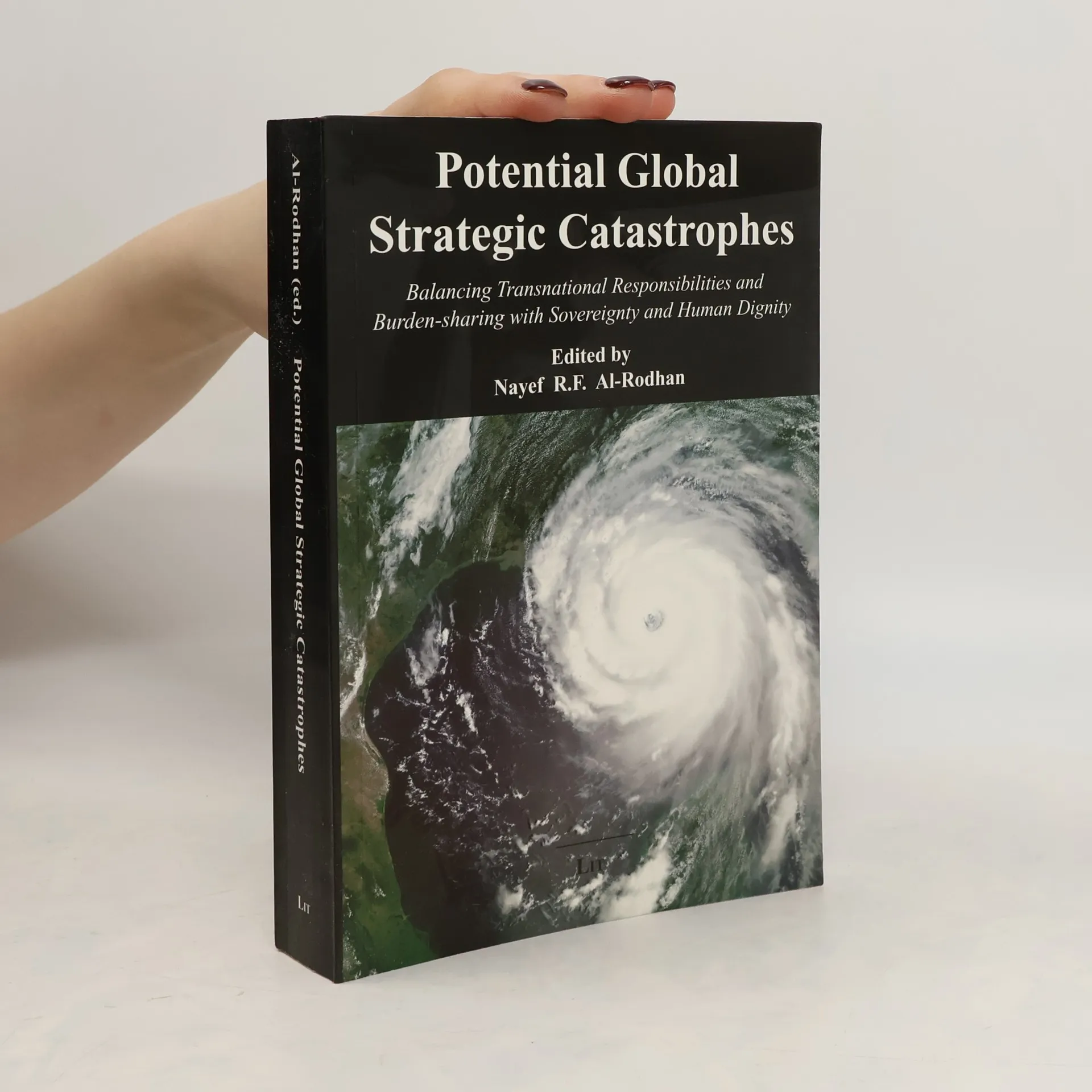
This book is the result of a Symposium on Potential Global Strategic Catastrophes, which took place in Geneva, Switzerland in 2008. The catastrophes chosen do not include remote and less immediate events. Only those with the potential to produce multiple cascading strategic dilemmas for states and the international system were selected. These dilemmas include balancing the sovereign rights of states with human rights, transnational responsibilities and burden-sharing under occasional geopolitical uncertainties. The book deals with the theoretical foundations of coping with catastrophes and the relevant inter-state and organisational paradigms. Other sections address specific catastrophes and their potential consequences: pandemics, water crises, global warming, nanosecurity, nuclear catastrophes, financial meltdown, cyber crises, demographic imbalances and forced migrations, state failure and war, massive conventional terrorist attacks and threats to energy supply.
Acquisto del libro
Potential global strategic catastrophes, Nayef R. F. al- Rodhan
- Lingua

- Pubblicato
- 2009
- Rilegatura
- (In brossura)
Metodi di pagamento
Ancora nessuna valutazione.
- Titolo
- Potential global strategic catastrophes
- Lingua
- Inglese
- Autori
- Nayef R. F. al- Rodhan
- Editore
- LIT Verlag
- Pubblicato
- 2009
- Formato
- In brossura
- Pagine
- 321
- ISBN10
- 3643800045
- ISBN13
- 9783643800046
- Serie
- Categoria
- Descrizione
- This book is the result of a Symposium on Potential Global Strategic Catastrophes, which took place in Geneva, Switzerland in 2008. The catastrophes chosen do not include remote and less immediate events. Only those with the potential to produce multiple cascading strategic dilemmas for states and the international system were selected. These dilemmas include balancing the sovereign rights of states with human rights, transnational responsibilities and burden-sharing under occasional geopolitical uncertainties. The book deals with the theoretical foundations of coping with catastrophes and the relevant inter-state and organisational paradigms. Other sections address specific catastrophes and their potential consequences: pandemics, water crises, global warming, nanosecurity, nuclear catastrophes, financial meltdown, cyber crises, demographic imbalances and forced migrations, state failure and war, massive conventional terrorist attacks and threats to energy supply.