

Parametri
- 496pagine
- 18 ore di lettura
Maggiori informazioni sul libro
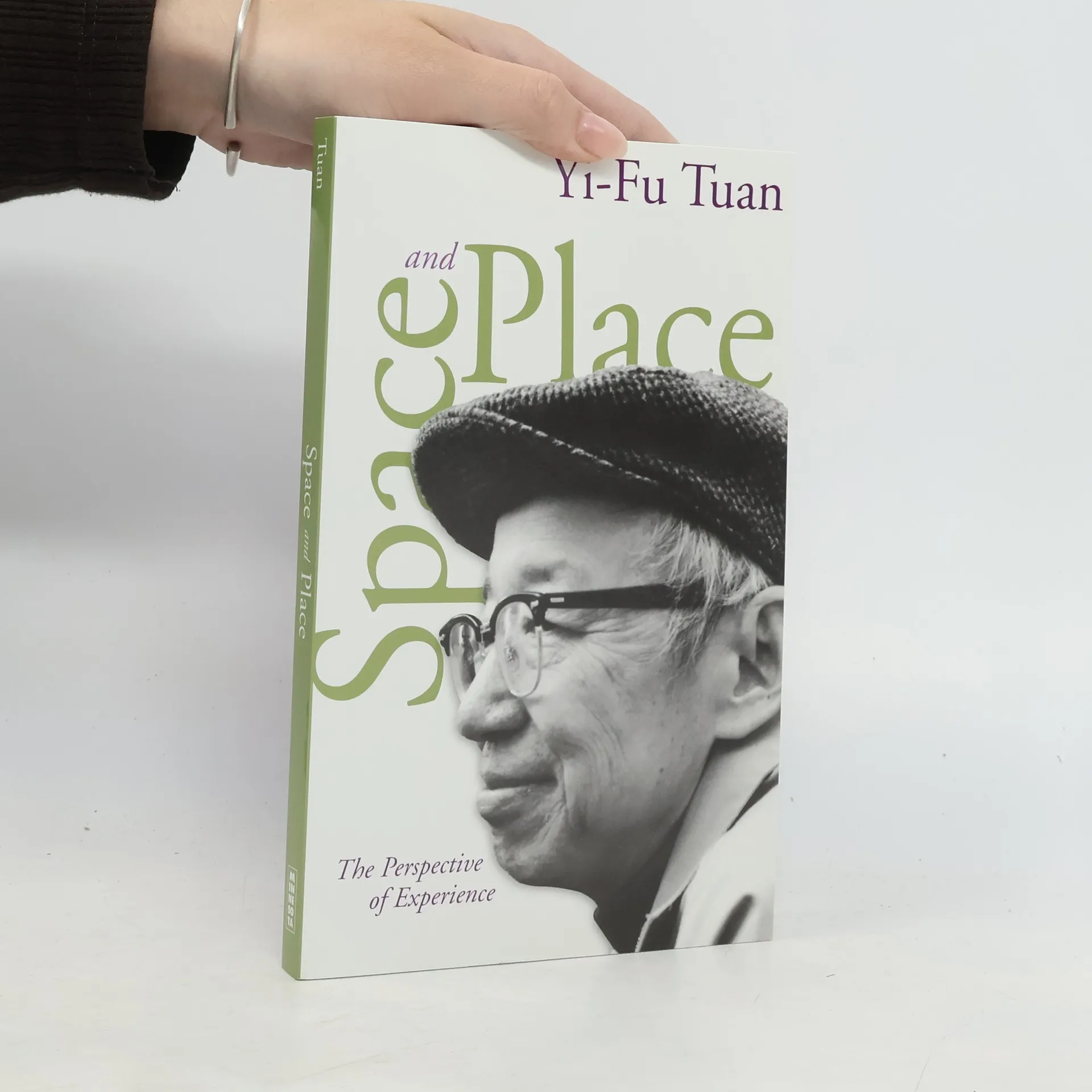
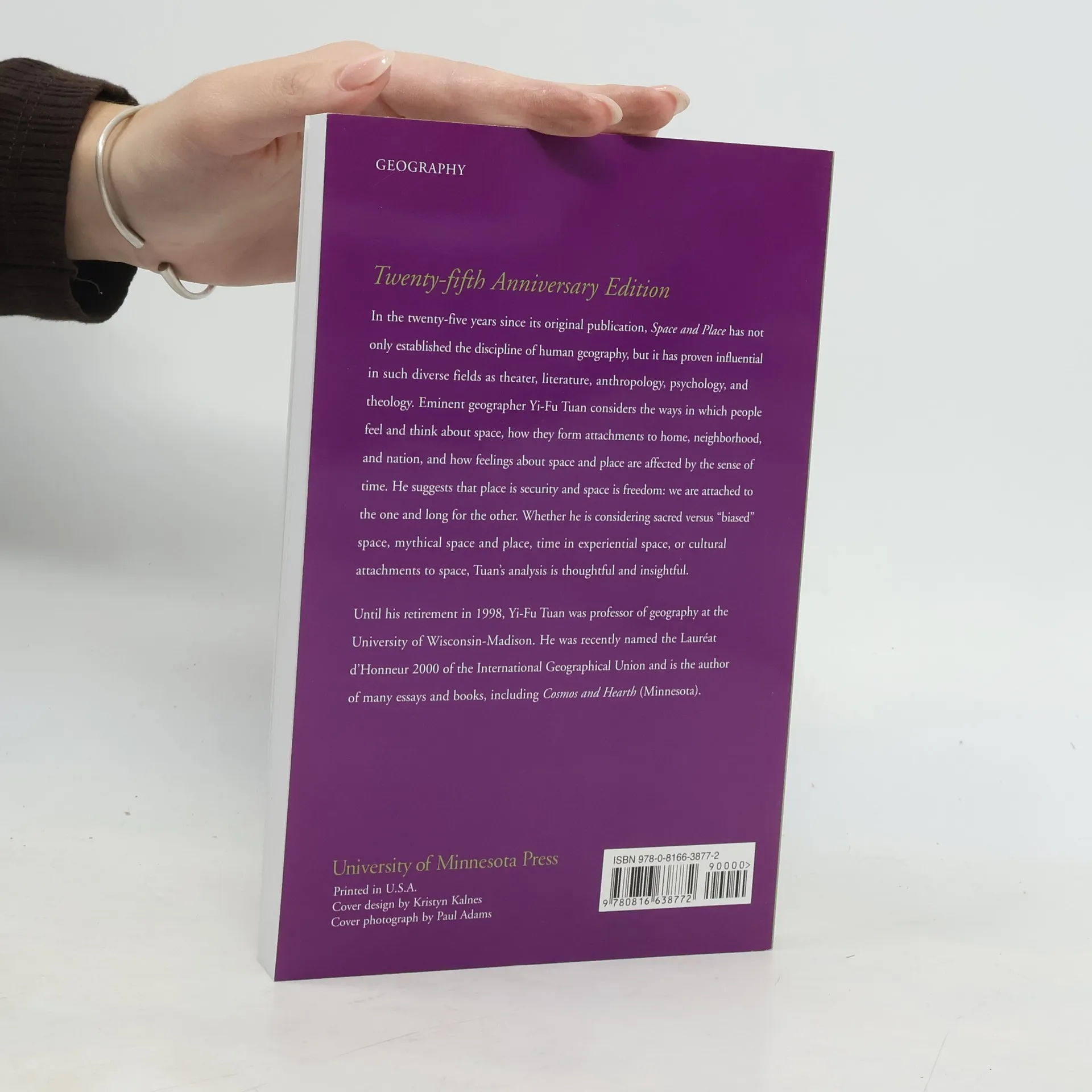
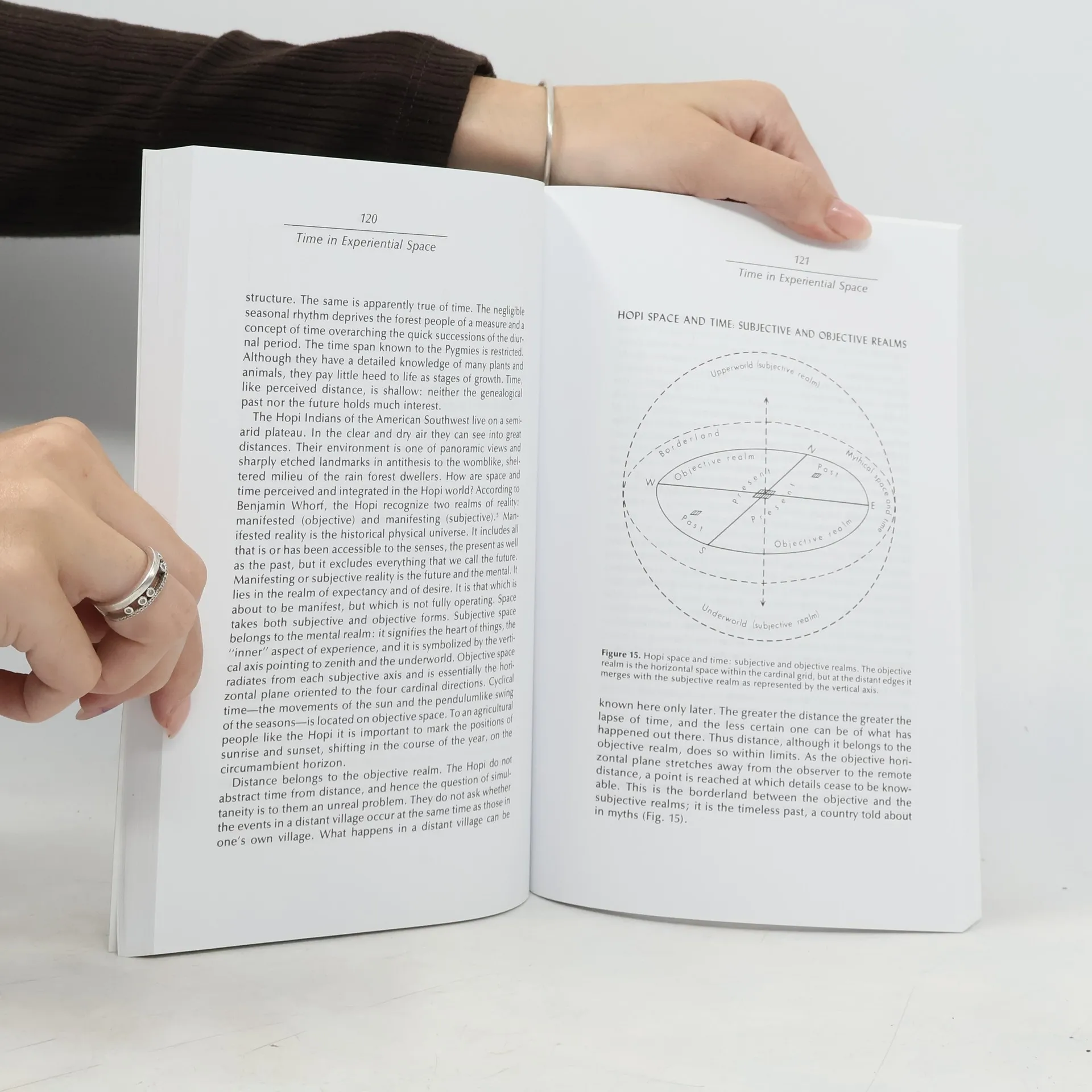
In the 25 years since its original publication, Space and Place has not only established the discipline of human geography, but it has proven influential in such diverse fields as theater, literature, anthropology, psychology, and theology. Eminent geographer Yi-Fu Tuan considers the ways in which people feel and think about space, how they form attachments to home, neighborhood, and nation, and how feelings about space and place are affected by the sense of time. He suggests that place is security and space is freedom: we are attached to the one and long for the other. Whether he is considering sacred versus "biased" space, mythical space and place, time in experiential space, or cultural attachments to space, Tuan's analysis is thoughtful and insightful.
Acquisto del libro
Space and Place, Yi-Fu Tuan
- Lingua

- Pubblicato
- 2008
- Rilegatura
- (In brossura)
Metodi di pagamento
Qui potrebbe esserci la tua recensione.
- Titolo
- Space and Place
- Lingua
- Inglese
- Autori
- Yi-Fu Tuan
- Pubblicato
- 2008
- Formato
- In brossura
- Pagine
- 496
- ISBN10
- 0816638772
- ISBN13
- 9780816638772
- Serie
- Categoria
- Valutazione
- 4,05 su 5
- Descrizione
- In the 25 years since its original publication, Space and Place has not only established the discipline of human geography, but it has proven influential in such diverse fields as theater, literature, anthropology, psychology, and theology. Eminent geographer Yi-Fu Tuan considers the ways in which people feel and think about space, how they form attachments to home, neighborhood, and nation, and how feelings about space and place are affected by the sense of time. He suggests that place is security and space is freedom: we are attached to the one and long for the other. Whether he is considering sacred versus "biased" space, mythical space and place, time in experiential space, or cultural attachments to space, Tuan's analysis is thoughtful and insightful.