



Maggiori informazioni sul libro
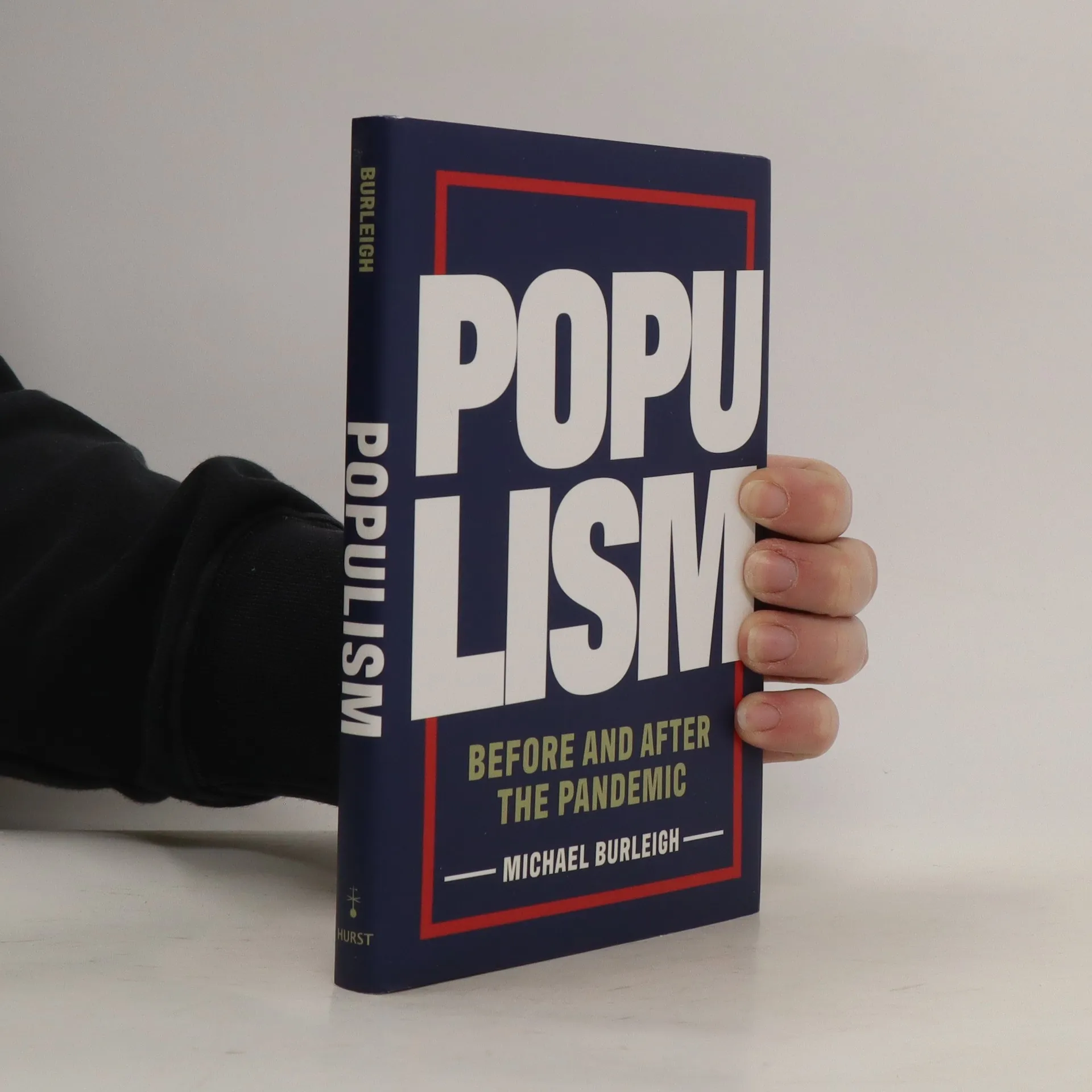
We are said to be living in an age of anger, and national populist movements are often identified as its political manifestation. In Populism Michael Burleigh explores this new global era, drawing on his Engelsberg Lectures. The first chapter explores the nature of mass anger, mainly in Europe and the US: how might popular discontent be artificially incited and sustained by elite figures claiming to speak for the common people? The second chapter compares the difficult aftermaths of empire in Britain and Russia. Has that experience fostered these countries' sense of exceptionality and inability to evolve into normal societies? Many national populist movements exploit History, as we saw with the so-called 'statue wars' reignited in 2020. The third chapter ranges across Europe, but also China, where a nationalised version of History has become intrinsic to social support for the ruling Communist Party. In the short term, COVID-19 has created problems for several populist leaders, whose image has suffered amidst the public's new-found respect for expertise and unfavourable comparisons with less shouty politicians who have handled the pandemic differently. Yet, with the looming risk of an extended economic depression, Burleigh fears that new post-populists may arise in the long run.
Acquisto del libro
Populism, Michael Burleigh
- Lingua

- Pubblicato
- 2021
- Rilegatura
- (Copertina rigida)
Metodi di pagamento
Qui potrebbe esserci la tua recensione.
- Titolo
- Populism
- Lingua
- Inglese
- Autori
- Michael Burleigh
- Editore
- Hurst & Company
- Pubblicato
- 2021
- Formato
- Copertina rigida
- Pagine
- 152
- ISBN10
- 1787384683
- ISBN13
- 9781787384682
- Serie
- Valutazione
- 2,9 su 5
- Descrizione
- We are said to be living in an age of anger, and national populist movements are often identified as its political manifestation. In Populism Michael Burleigh explores this new global era, drawing on his Engelsberg Lectures. The first chapter explores the nature of mass anger, mainly in Europe and the US: how might popular discontent be artificially incited and sustained by elite figures claiming to speak for the common people? The second chapter compares the difficult aftermaths of empire in Britain and Russia. Has that experience fostered these countries' sense of exceptionality and inability to evolve into normal societies? Many national populist movements exploit History, as we saw with the so-called 'statue wars' reignited in 2020. The third chapter ranges across Europe, but also China, where a nationalised version of History has become intrinsic to social support for the ruling Communist Party. In the short term, COVID-19 has created problems for several populist leaders, whose image has suffered amidst the public's new-found respect for expertise and unfavourable comparisons with less shouty politicians who have handled the pandemic differently. Yet, with the looming risk of an extended economic depression, Burleigh fears that new post-populists may arise in the long run.