

Maggiori informazioni sul libro
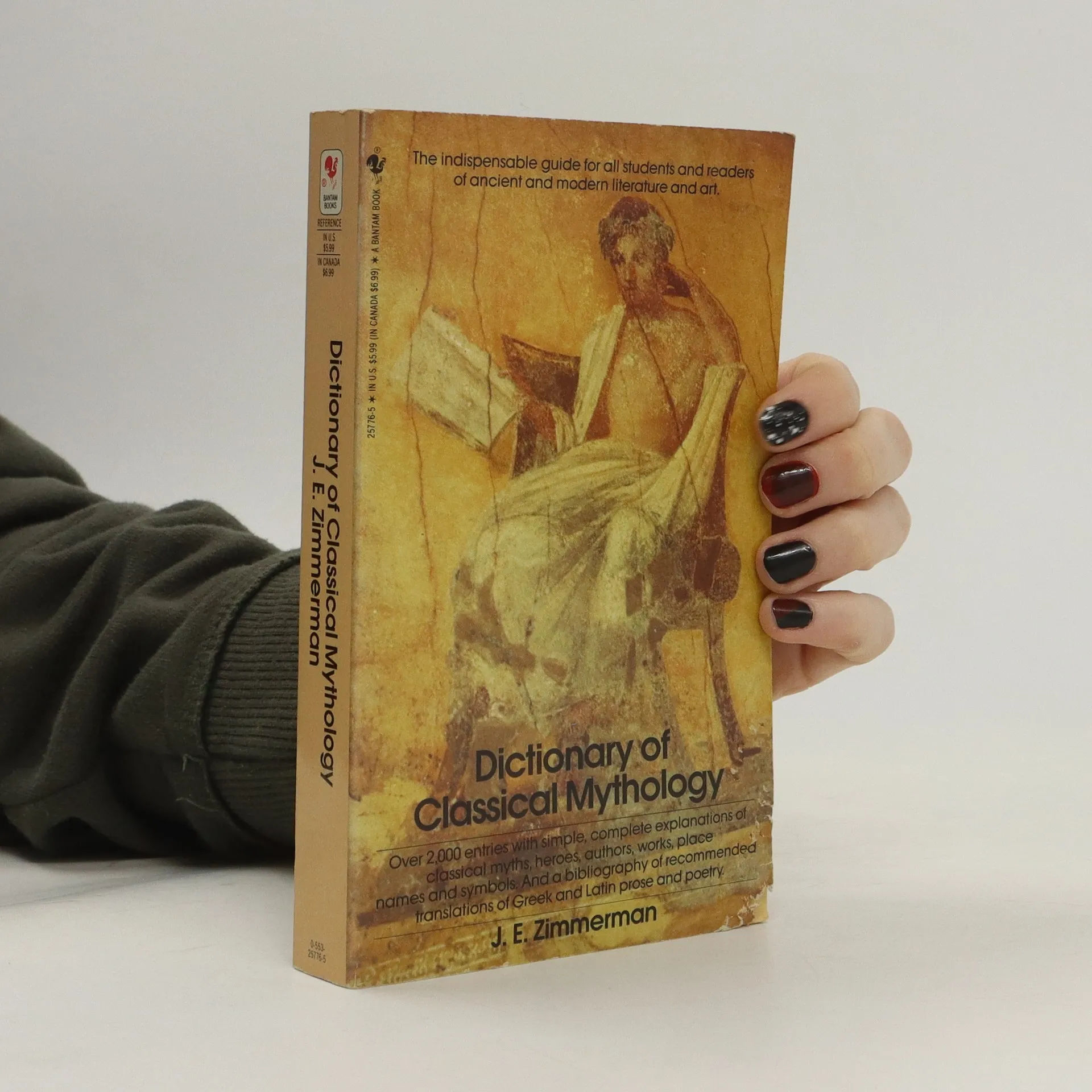
Over 2,000 entries with simple, complete explanations of classical myths, heroes, authors, works, place names and symbols. And a bibliography of recommended translations of Greek and Latin prose and poetry.“A knowledge of classical mythology is indispensable in understanding and appreciating much of the great literature, sculpture, and painting of both the ancients and the moderns. Unless we know the marvelous stories of the deities and heroes of the ancients, their great literature and art as much later work down to the present day will remain unintelligible. Through the centuries from Chaucer, Spencer, Shakespeare, and Milton on, not only the major writers but also hundreds of lesser writers have retold the old tales or used them as a point of departure for new interpretations in terms of contemporary problems and psychology.”—From author’s Introduction
Acquisto del libro
The Dictionary of Classical Mythology, John Edward Zimmerman
- Lingua

- Pubblicato
- 1983
- Rilegatura
- (In brossura)
Metodi di pagamento
Qui potrebbe esserci la tua recensione.
- Titolo
- The Dictionary of Classical Mythology
- Lingua
- Inglese
- Autori
- John Edward Zimmerman
- Editore
- BANTAM
- Pubblicato
- 1983
- Formato
- In brossura
- Pagine
- 320
- ISBN10
- 0553257765
- ISBN13
- 9780553257762
- Serie
- Categoria
- Tag
- Manuali e guide, Scuola, Mitologia, Grecia
- Valutazione
- 3,95 su 5
- Descrizione
- Over 2,000 entries with simple, complete explanations of classical myths, heroes, authors, works, place names and symbols. And a bibliography of recommended translations of Greek and Latin prose and poetry.“A knowledge of classical mythology is indispensable in understanding and appreciating much of the great literature, sculpture, and painting of both the ancients and the moderns. Unless we know the marvelous stories of the deities and heroes of the ancients, their great literature and art as much later work down to the present day will remain unintelligible. Through the centuries from Chaucer, Spencer, Shakespeare, and Milton on, not only the major writers but also hundreds of lesser writers have retold the old tales or used them as a point of departure for new interpretations in terms of contemporary problems and psychology.”—From author’s Introduction