



Parametri
Maggiori informazioni sul libro
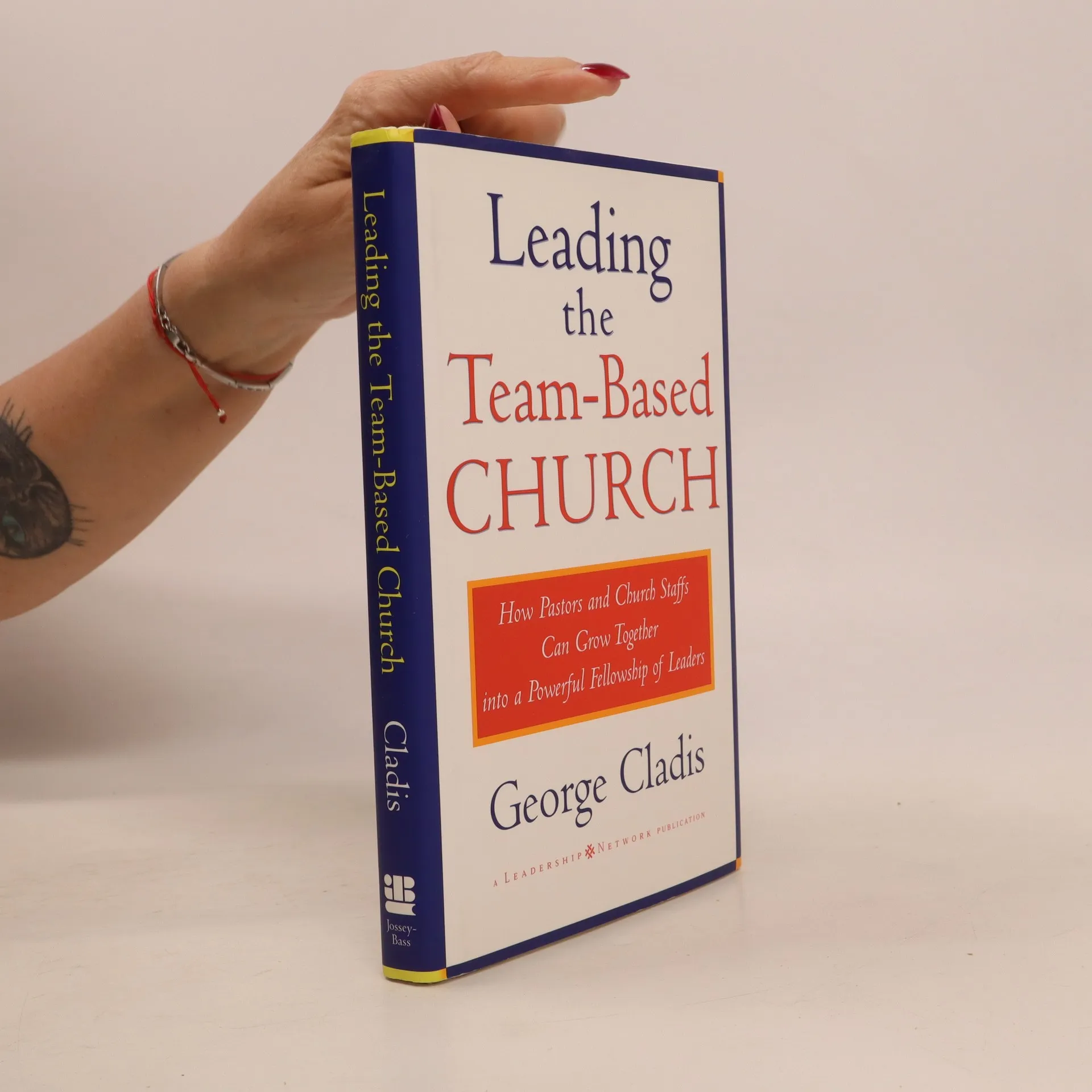
In Leading the Team-Based Church, George Cladis advocates for a collaborative leadership model that reflects the relationship of the Father, Son, and Holy Spirit, moving away from traditional hierarchical structures. He emphasizes that contemporary cultural dynamics—where trust underpins authority, innovation is rewarded, and spirituality is integrated into daily life—no longer support the conventional model where pastors hold ultimate authority. Through relatable anecdotes from his experiences and those of various clergy, Cladis presents a compelling alternative to traditional church leadership, encouraging pastors and congregational leaders to revitalize their ministries and harness the full potential of their teams. As a pastor of a rapidly growing mainline church, Cladis illustrates how broader cultural shifts are facilitating the adoption of this new leadership approach. His practical insights empower ministry teams to collaborate in ways that reflect the Christian message while fostering creativity and love within the group. This work stands out as a significant contribution to the discourse on team-based ministry, blending theological and cultural insights into a cohesive vision for church leadership.
Acquisto del libro
Leading the Team-Based Church, George Cladis
- Lingua

- Pubblicato
- 1999
- Rilegatura
- (Copertina rigida)
Metodi di pagamento
Qui potrebbe esserci la tua recensione.
- Titolo
- Leading the Team-Based Church
- Lingua
- Inglese
- Autori
- George Cladis
- Editore
- Jossey-Bass
- Pubblicato
- 1999
- Formato
- Copertina rigida
- ISBN10
- 0787941190
- ISBN13
- 9780787941192
- Serie
- Categoria
- Valutazione
- 3,5 su 5
- Descrizione
- In Leading the Team-Based Church, George Cladis advocates for a collaborative leadership model that reflects the relationship of the Father, Son, and Holy Spirit, moving away from traditional hierarchical structures. He emphasizes that contemporary cultural dynamics—where trust underpins authority, innovation is rewarded, and spirituality is integrated into daily life—no longer support the conventional model where pastors hold ultimate authority. Through relatable anecdotes from his experiences and those of various clergy, Cladis presents a compelling alternative to traditional church leadership, encouraging pastors and congregational leaders to revitalize their ministries and harness the full potential of their teams. As a pastor of a rapidly growing mainline church, Cladis illustrates how broader cultural shifts are facilitating the adoption of this new leadership approach. His practical insights empower ministry teams to collaborate in ways that reflect the Christian message while fostering creativity and love within the group. This work stands out as a significant contribution to the discourse on team-based ministry, blending theological and cultural insights into a cohesive vision for church leadership.