


Kigumi. Anglicky The Art of Japanese Joinery
Valutazione del libro
Maggiori informazioni sul libro
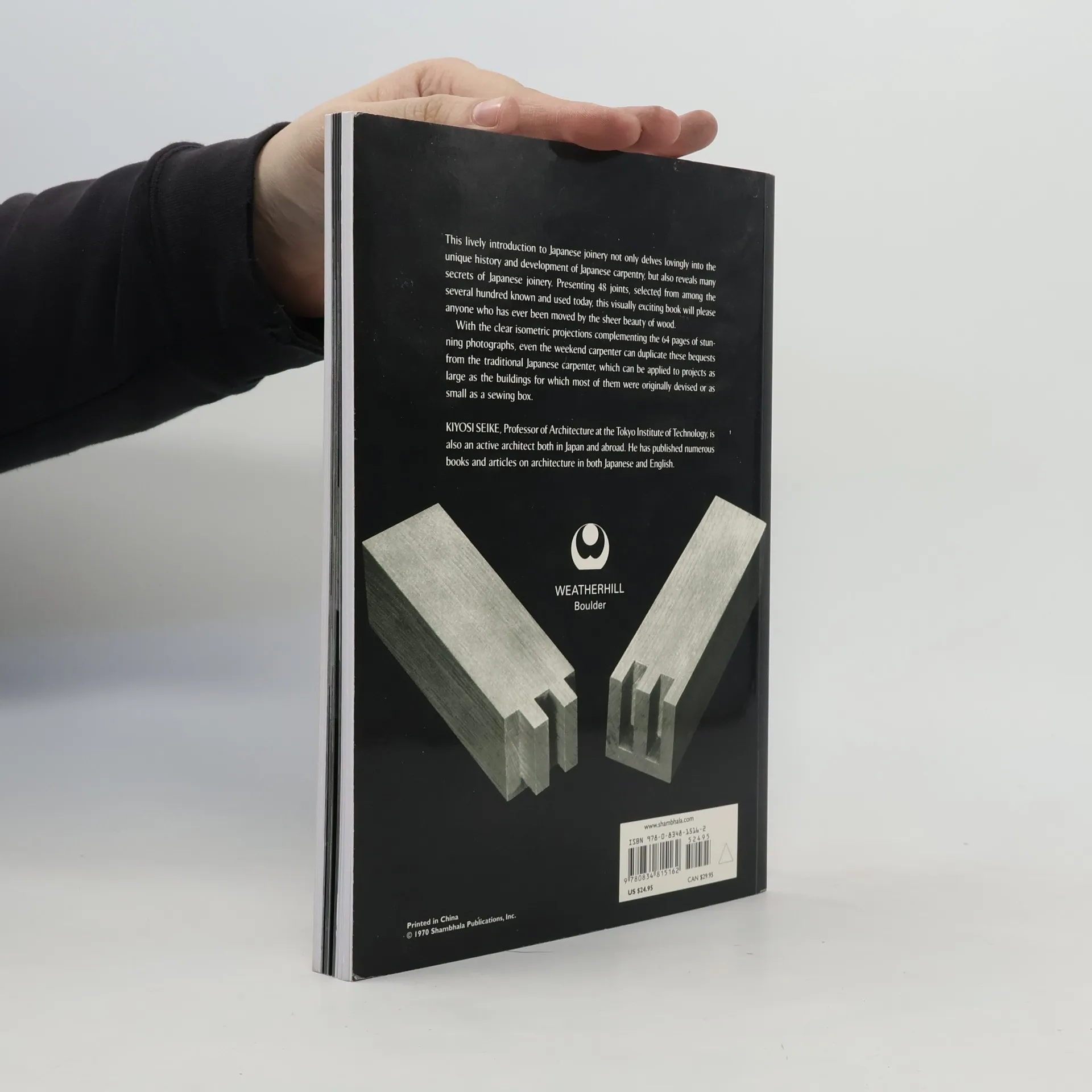
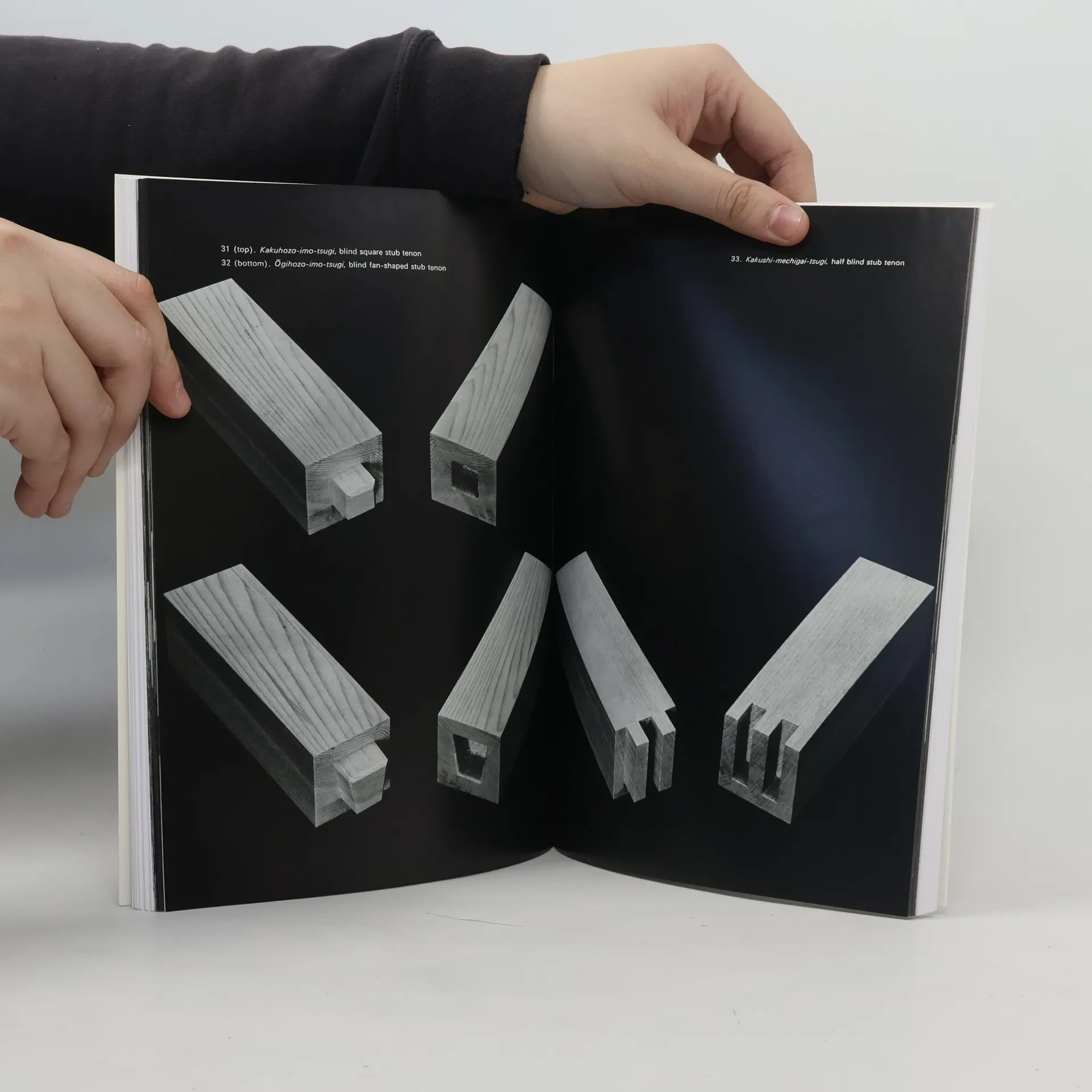
This lively introduction to Japanese joinery not only delves lovingly into the unique history and development of Japanese carpentry, but also reveals many secrets of Japanese joinery. Presenting 48 joints, selected from among the several hundred known and used today, this visually exciting book will please anyone who has ever been moved by the sheer beauty of wood.With the clear isometric projections complementing the 64 pages of stunning photographs, even the weekend carpenter can duplicate these bequests from the traditional Japanese carpenter, which can be applied to projects as large as the buildings for which most of them were originally devised or to projects as small as a sewing box.
Acquisto del libro
Kigumi. Anglicky The Art of Japanese Joinery, Kiyoshi Seike, Yuriko Yobuko, Rebecca M Davis
- Lingua

- Pubblicato
- 1977
- Rilegatura
- (In brossura)
Metodi di pagamento
Qui potrebbe esserci la tua recensione.
- Titolo
- Kigumi. Anglicky The Art of Japanese Joinery
- Lingua
- Inglese
- Editore
- Weatherhill
- Pubblicato
- 1977
- Formato
- In brossura
- ISBN10
- 0834815168
- ISBN13
- 9780834815162
- Serie
- Tag
- Arte, Architettura, Giappone
- Valutazione
- 4,25 su 5
- Descrizione
- This lively introduction to Japanese joinery not only delves lovingly into the unique history and development of Japanese carpentry, but also reveals many secrets of Japanese joinery. Presenting 48 joints, selected from among the several hundred known and used today, this visually exciting book will please anyone who has ever been moved by the sheer beauty of wood.With the clear isometric projections complementing the 64 pages of stunning photographs, even the weekend carpenter can duplicate these bequests from the traditional Japanese carpenter, which can be applied to projects as large as the buildings for which most of them were originally devised or to projects as small as a sewing box.