

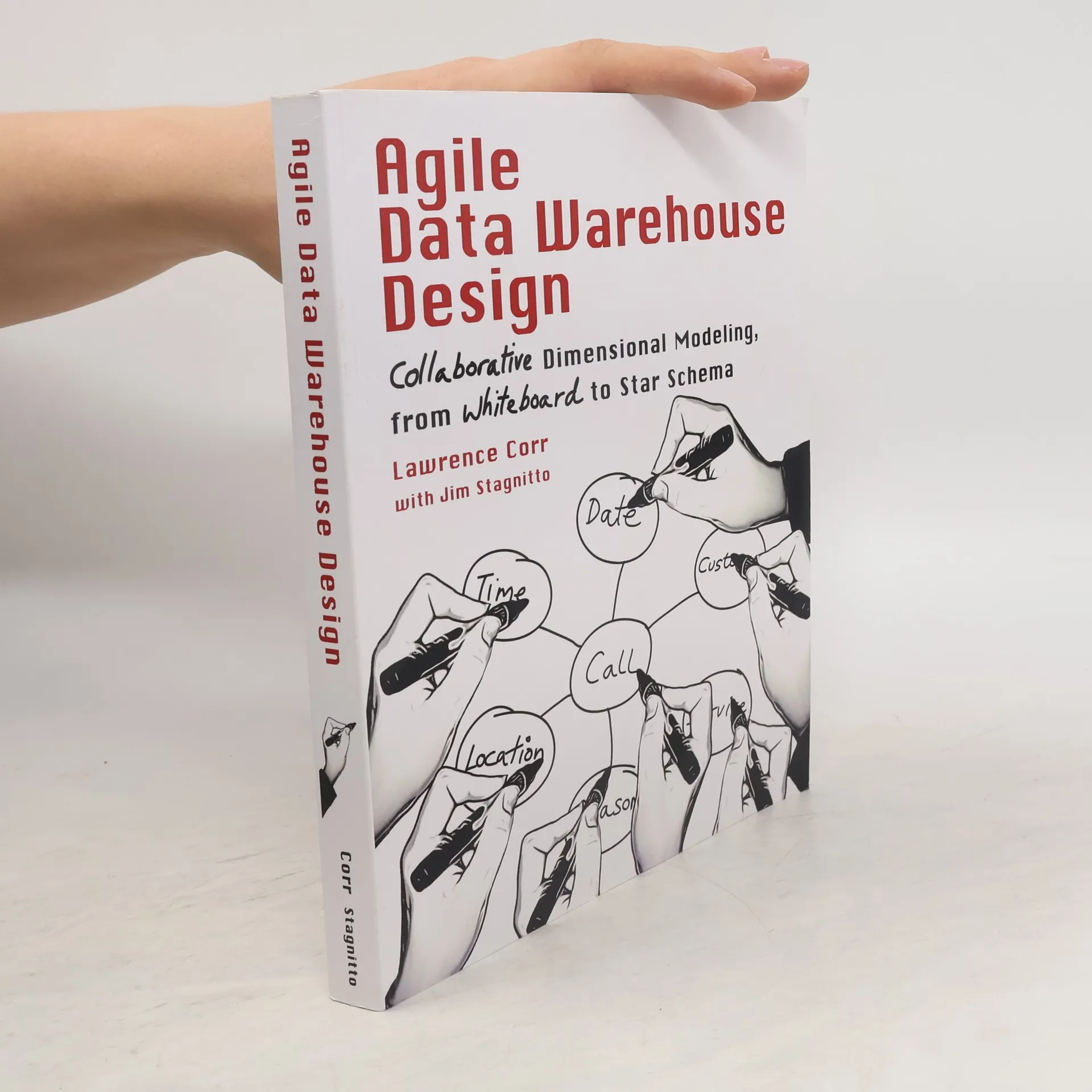


Maggiori informazioni sul libro
Agile Data Warehouse Design is a step-by-step guide for capturing data warehousing / business intelligence (DW/BI) requirements and turning them into high performance dimensional models in the most direct by modelstorming (data modeling + brainstorming) with BI stakeholders. The book describes BEAM, an agile approach to dimensional modeling, for improving communication between data warehouse designers, BI stakeholders and the whole DW/BI development team. BEAM provides tools and techniques that will encourage DW/BI designers and developers to move away from their keyboards and entity relationship based tools and model interactively with their colleagues. The result is everyone thinks dimensionally from the outset! Developers understand how to efficiently implement dimensional modeling solutions. Business stakeholders feel ownership of the data warehouse they have created, and can already imagine how they will use it to answer their business questions. Within this book, you will
Acquisto del libro
Agile data warehouse design, Lawrence Corr, Jim Stagnitto
- Lingua

- Pubblicato
- 2014
- Rilegatura
- (In brossura)
Metodi di pagamento
Ancora nessuna valutazione.
- Titolo
- Agile data warehouse design
- Lingua
- Inglese
- Autori
- Lawrence Corr, Jim Stagnitto
- Editore
- DecisionOne Press
- Pubblicato
- 2014
- Formato
- In brossura
- Pagine
- 328
- ISBN10
- 0956817203
- ISBN13
- 9780956817204
- Serie
- Categoria
- Tag
- Commercio
- Descrizione
- Agile Data Warehouse Design is a step-by-step guide for capturing data warehousing / business intelligence (DW/BI) requirements and turning them into high performance dimensional models in the most direct by modelstorming (data modeling + brainstorming) with BI stakeholders. The book describes BEAM, an agile approach to dimensional modeling, for improving communication between data warehouse designers, BI stakeholders and the whole DW/BI development team. BEAM provides tools and techniques that will encourage DW/BI designers and developers to move away from their keyboards and entity relationship based tools and model interactively with their colleagues. The result is everyone thinks dimensionally from the outset! Developers understand how to efficiently implement dimensional modeling solutions. Business stakeholders feel ownership of the data warehouse they have created, and can already imagine how they will use it to answer their business questions. Within this book, you will