


Maggiori informazioni sul libro
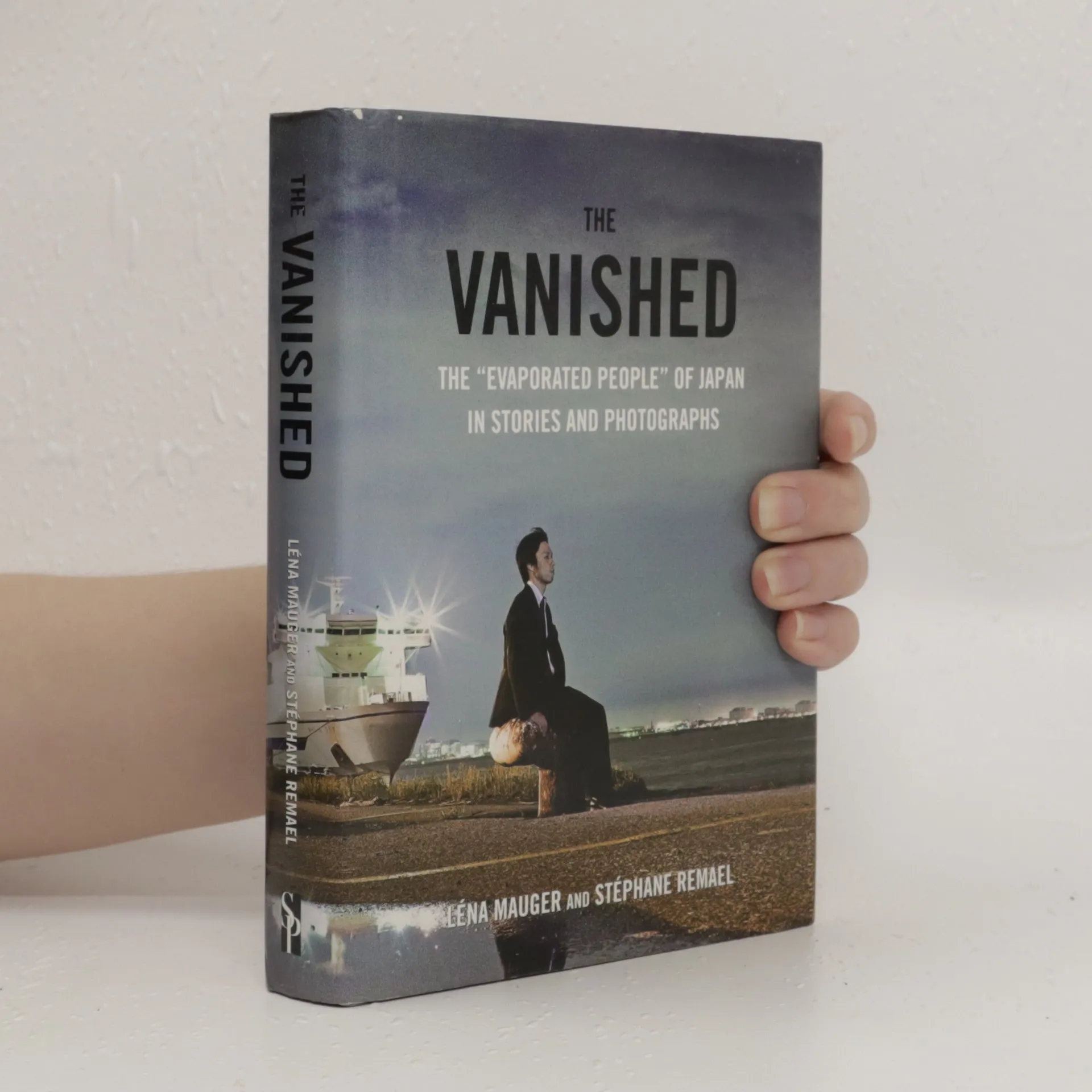
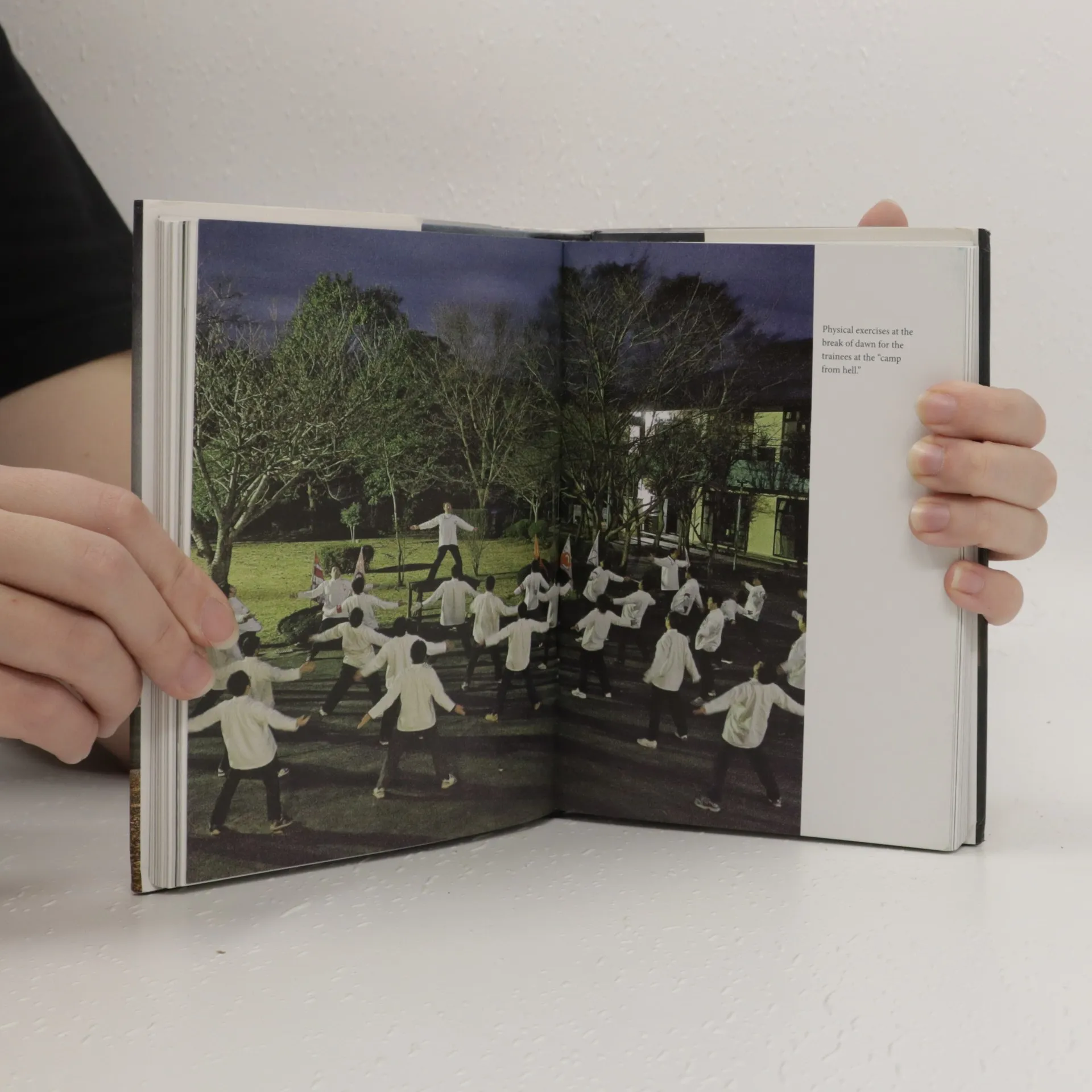
Every year, nearly one hundred thousand Japanese vanish without a trace. Known as the johatsu, or the “evaporated,” they are often driven by shame and hopelessness, leaving behind lost jobs, disappointed families, and mounting debts. In The Vanished, journalist Léna Mauger and photographer Stéphane Remael uncover the human faces behind the phenomenon through reportage, photographs, and interviews with those who left, those who stayed behind, and those who help orchestrate the disappearances. Their quest to learn the stories of the johatsu weaves its way through: A Tokyo neighborhood so notorious for its petty criminal activities that it was literally erased from the maps Reprogramming camps for subpar bureaucrats and businessmen to become “better” employees The charmless citadel of Toyota City, with its iron grip on its employees The “suicide” cliffs of Tojinbo, patrolled by a man fighting to save the desperate The desolation of Fukushima in the aftermath of the tsunami And yet, as exotic and foreign as their stories might appear to an outsider’s eyes, the human experience shared by the interviewees remains powerfully universal.
Acquisto del libro
The Vanished, Léna Mauger
- Lingua

- Pubblicato
- 2016
- Rilegatura
- (Copertina rigida)
Metodi di pagamento
Qui potrebbe esserci la tua recensione.
- Titolo
- The Vanished
- Lingua
- Inglese
- Autori
- Léna Mauger
- Editore
- Skyhorse Publishing
- Pubblicato
- 2016
- Formato
- Copertina rigida
- Pagine
- 251
- ISBN10
- 151070826x
- ISBN13
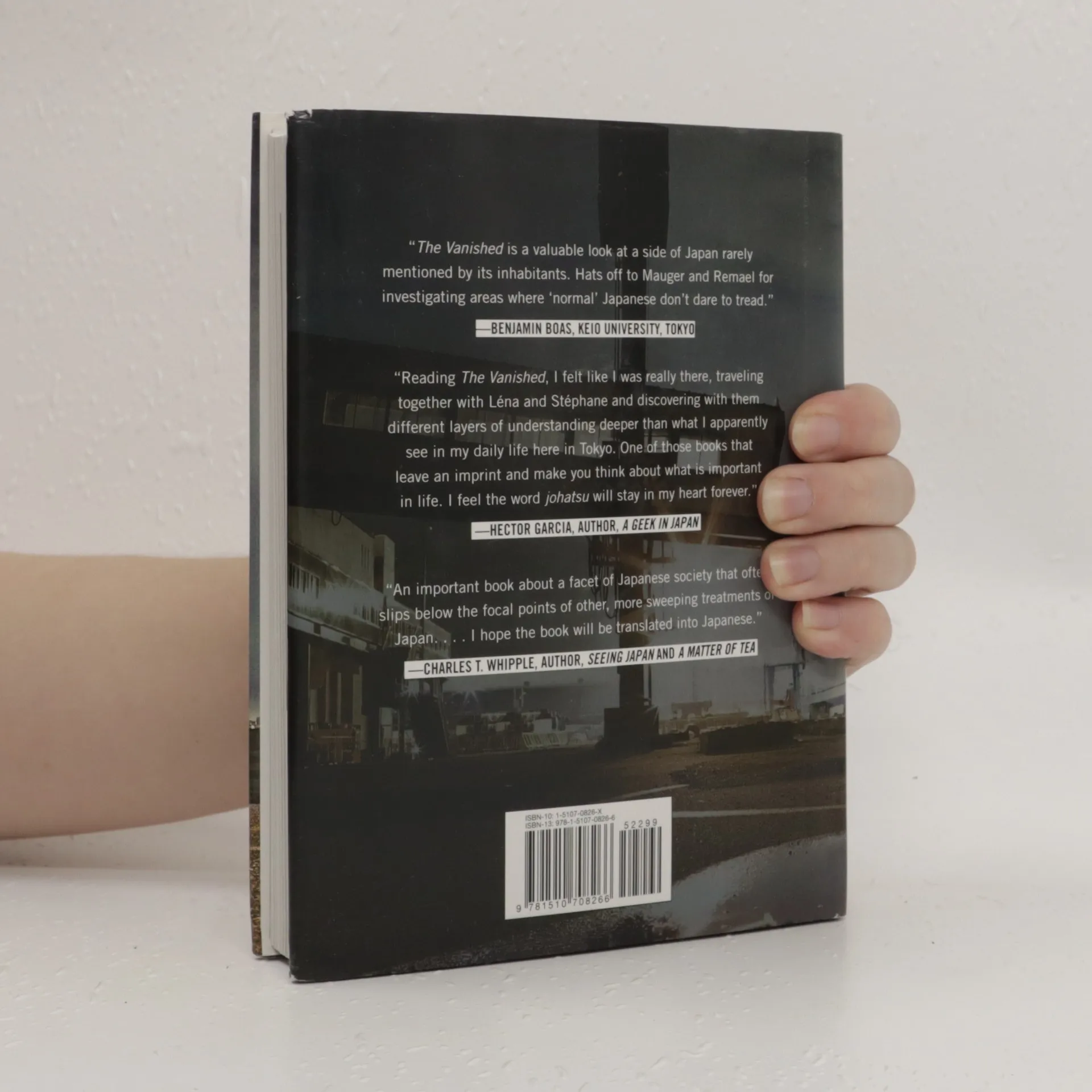
- 9781510708266
- Serie
- Categoria
- Valutazione
- 3,7 su 5
- Descrizione
- Every year, nearly one hundred thousand Japanese vanish without a trace. Known as the johatsu, or the “evaporated,” they are often driven by shame and hopelessness, leaving behind lost jobs, disappointed families, and mounting debts. In The Vanished, journalist Léna Mauger and photographer Stéphane Remael uncover the human faces behind the phenomenon through reportage, photographs, and interviews with those who left, those who stayed behind, and those who help orchestrate the disappearances. Their quest to learn the stories of the johatsu weaves its way through: A Tokyo neighborhood so notorious for its petty criminal activities that it was literally erased from the maps Reprogramming camps for subpar bureaucrats and businessmen to become “better” employees The charmless citadel of Toyota City, with its iron grip on its employees The “suicide” cliffs of Tojinbo, patrolled by a man fighting to save the desperate The desolation of Fukushima in the aftermath of the tsunami And yet, as exotic and foreign as their stories might appear to an outsider’s eyes, the human experience shared by the interviewees remains powerfully universal.