



Maggiori informazioni sul libro
Chapter 1 introduces performance testing, its importance, and why JMeter is a suitable tool, along with author details. Chapter 2 covers basic performance testing terms, types of tests, environments, and strategies. Chapter 3 focuses on the components of a JMeter test, guiding readers through writing their first test script and executing it in both GUI and non-GUI modes. Chapter 4 explains how to configure JMeter as a proxy to record test scripts via browser actions. Chapter 5 provides a detailed description of JMeter components, including Test Plan, Thread Group, and various processors and listeners. Chapter 6 discusses distributed testing, including load generation across multiple machines and the configuration of remote hosts, while addressing its limitations. Chapter 7 outlines best practices for JMeter to ensure portability of test scripts and accurate results. Chapter 8 addresses troubleshooting common errors encountered in JMeter scripts. Chapter 9 introduces the use of JMeter plugins during test execution. Chapter 10 explores advanced concepts such as JDBC, FTP, and REST performance testing. Finally, Chapter 11 presents a case study on Digital Toys Inc., offering practical insights into performance testing and hands-on learning experiences.
Acquisto del libro
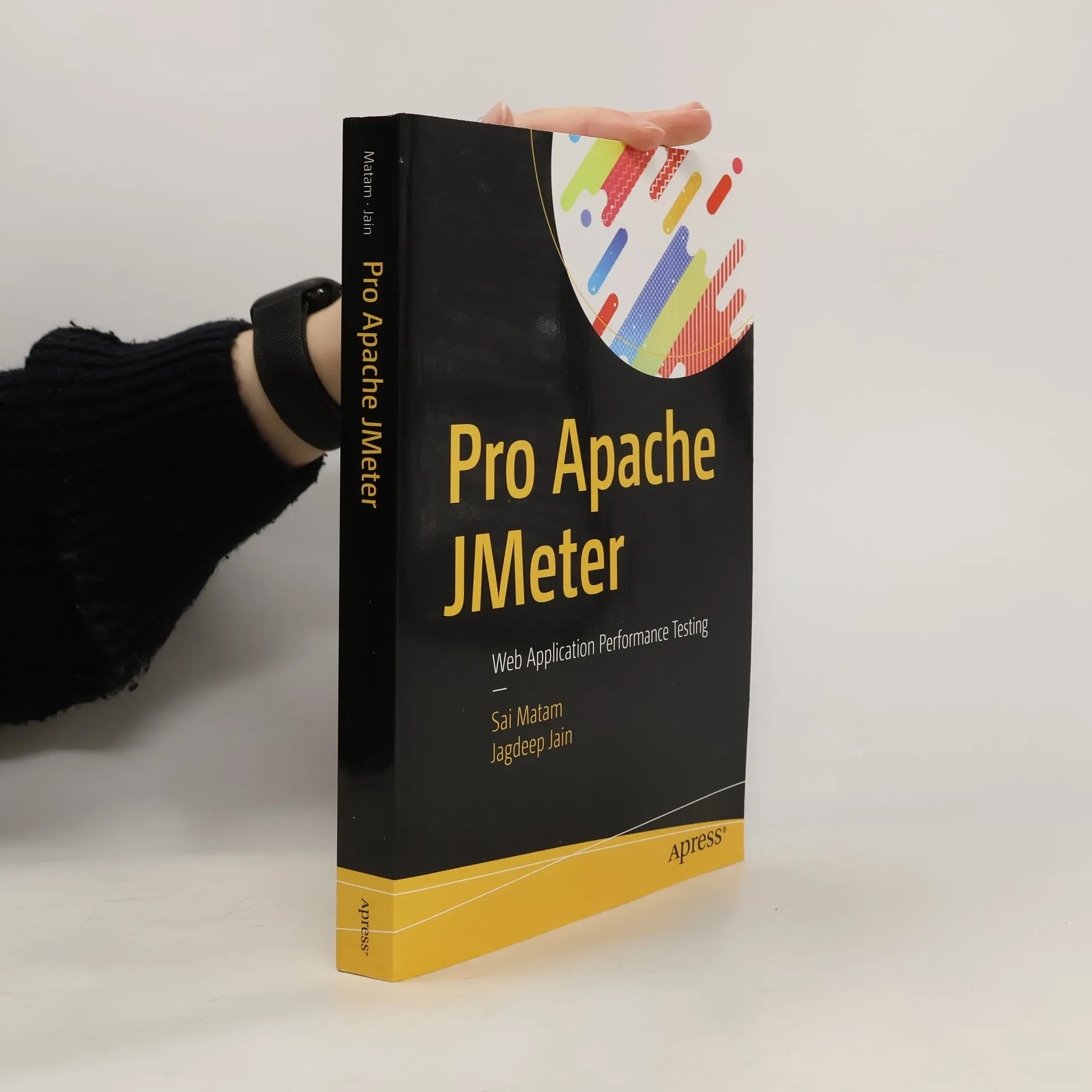
Pro Apache JMeter, Sai Matam
- Lingua

- Pubblicato
- 2017
- Rilegatura
- (In brossura)
Metodi di pagamento
Ancora nessuna valutazione.
- Titolo
- Pro Apache JMeter
- Lingua
- Inglese
- Autori
- Sai Matam
- Editore
- Springer, Berlin
- Pubblicato
- 2017
- Formato
- In brossura
- Pagine
- 364
- ISBN10
- 1484229606
- ISBN13
- 9781484229606
- Serie
- Tag
- Descrizione
- Chapter 1 introduces performance testing, its importance, and why JMeter is a suitable tool, along with author details. Chapter 2 covers basic performance testing terms, types of tests, environments, and strategies. Chapter 3 focuses on the components of a JMeter test, guiding readers through writing their first test script and executing it in both GUI and non-GUI modes. Chapter 4 explains how to configure JMeter as a proxy to record test scripts via browser actions. Chapter 5 provides a detailed description of JMeter components, including Test Plan, Thread Group, and various processors and listeners. Chapter 6 discusses distributed testing, including load generation across multiple machines and the configuration of remote hosts, while addressing its limitations. Chapter 7 outlines best practices for JMeter to ensure portability of test scripts and accurate results. Chapter 8 addresses troubleshooting common errors encountered in JMeter scripts. Chapter 9 introduces the use of JMeter plugins during test execution. Chapter 10 explores advanced concepts such as JDBC, FTP, and REST performance testing. Finally, Chapter 11 presents a case study on Digital Toys Inc., offering practical insights into performance testing and hands-on learning experiences.