



Parametri
Maggiori informazioni sul libro
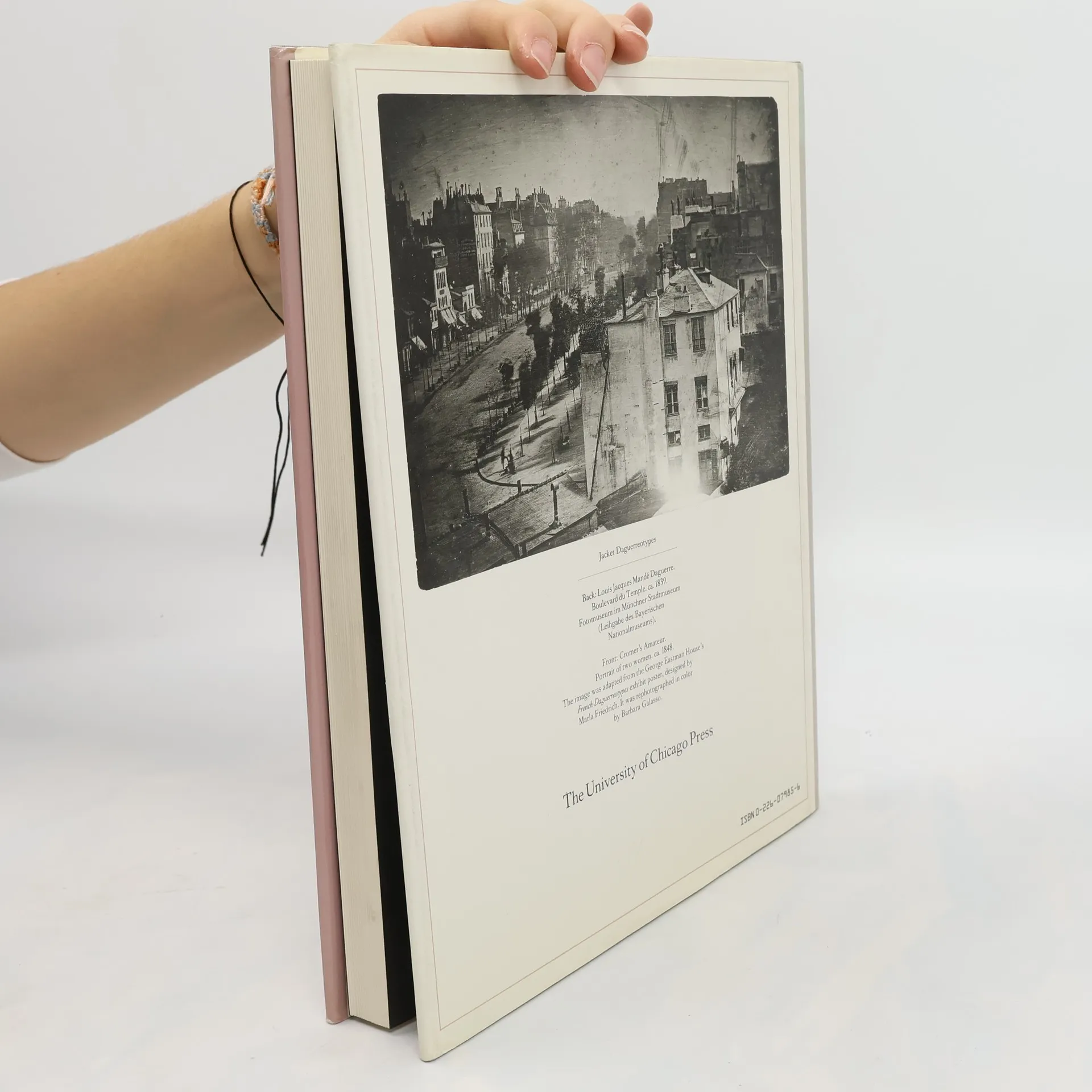
Upon its introduction in 1839, the daguerreotype was hailed as a magical reflection of reality. Today, these early examples of the first practical photographic process offer fascinating windows into the past. The daguerreotypes collected here not only document the birth of photography and its aesthetic and historical legacy but also provide insight into French art and culture.Lavishly illustrated, this volume is the first complete catalog of the French daguerreotype collection of the International Museum of Photography at George Eastman House. Janet E. Buerger uses this remarkable collection of images to produce a cultural history of the daguerreotype's most learned following—an elite group of mid-nineteenth-century intellectuals who sought to understand and develop the usefulness, potential, and beauty of this camera image. This varied group, including entrepreneurs, painters, scientists, and historians, enables Buerger to trace the influence of photography into virtually every area of nineteenth-century European intellectual life.
Acquisto del libro
French Daguerreotypes, Janet E. Buerger
- Lingua

- Pubblicato
- 1989
- Rilegatura
- (Copertina rigida)
Metodi di pagamento
Qui potrebbe esserci la tua recensione.
- Titolo
- French Daguerreotypes
- Lingua
- Inglese
- Autori
- Janet E. Buerger
- Pubblicato
- 1989
- Formato
- Copertina rigida
- ISBN10
- 0226079856
- ISBN13
- 9780226079851
- Serie
- Categoria
- Tag
- Tema stórico
- Valutazione
- 4 su 5
- Descrizione
- Upon its introduction in 1839, the daguerreotype was hailed as a magical reflection of reality. Today, these early examples of the first practical photographic process offer fascinating windows into the past. The daguerreotypes collected here not only document the birth of photography and its aesthetic and historical legacy but also provide insight into French art and culture.Lavishly illustrated, this volume is the first complete catalog of the French daguerreotype collection of the International Museum of Photography at George Eastman House. Janet E. Buerger uses this remarkable collection of images to produce a cultural history of the daguerreotype's most learned following—an elite group of mid-nineteenth-century intellectuals who sought to understand and develop the usefulness, potential, and beauty of this camera image. This varied group, including entrepreneurs, painters, scientists, and historians, enables Buerger to trace the influence of photography into virtually every area of nineteenth-century European intellectual life.