

Maggiori informazioni sul libro
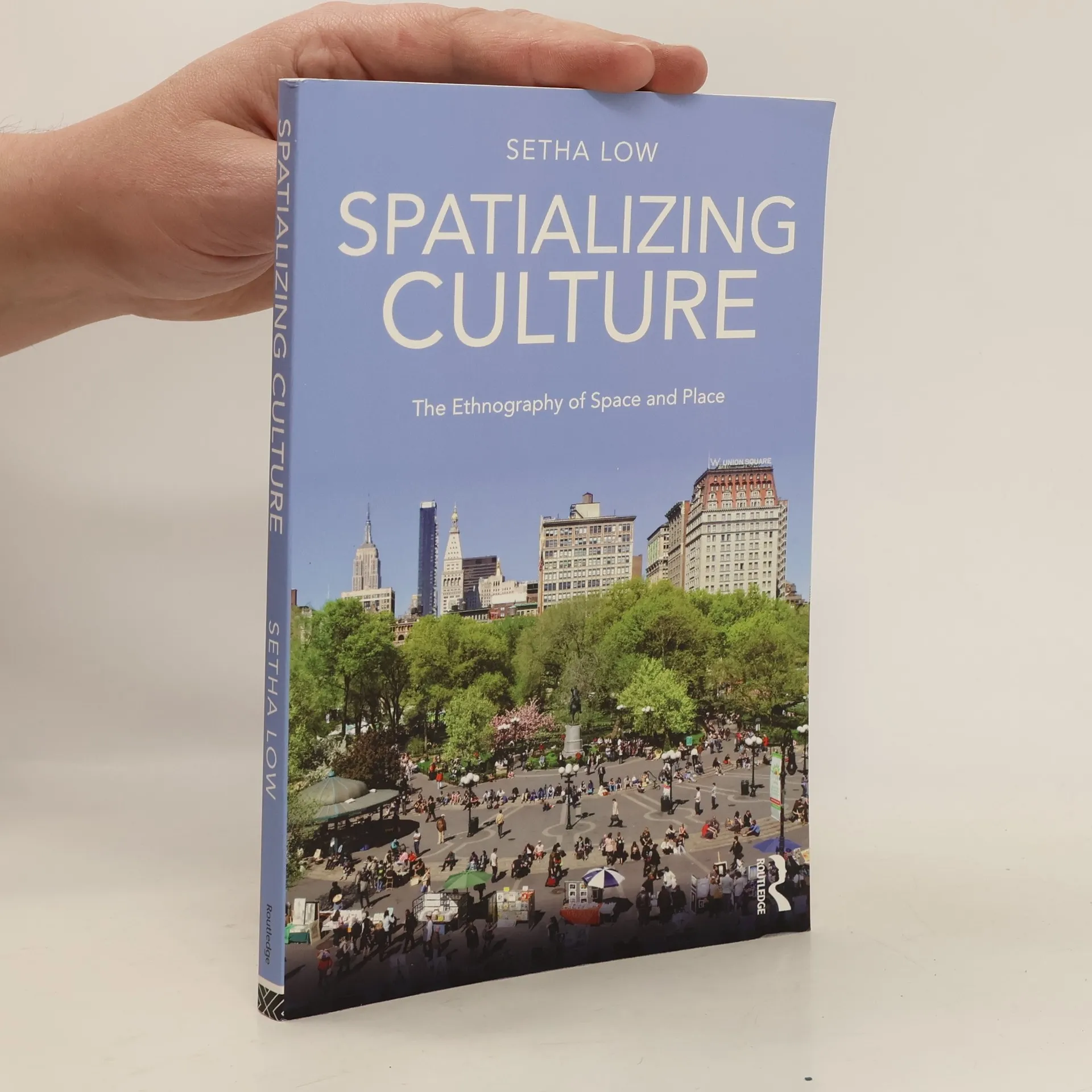
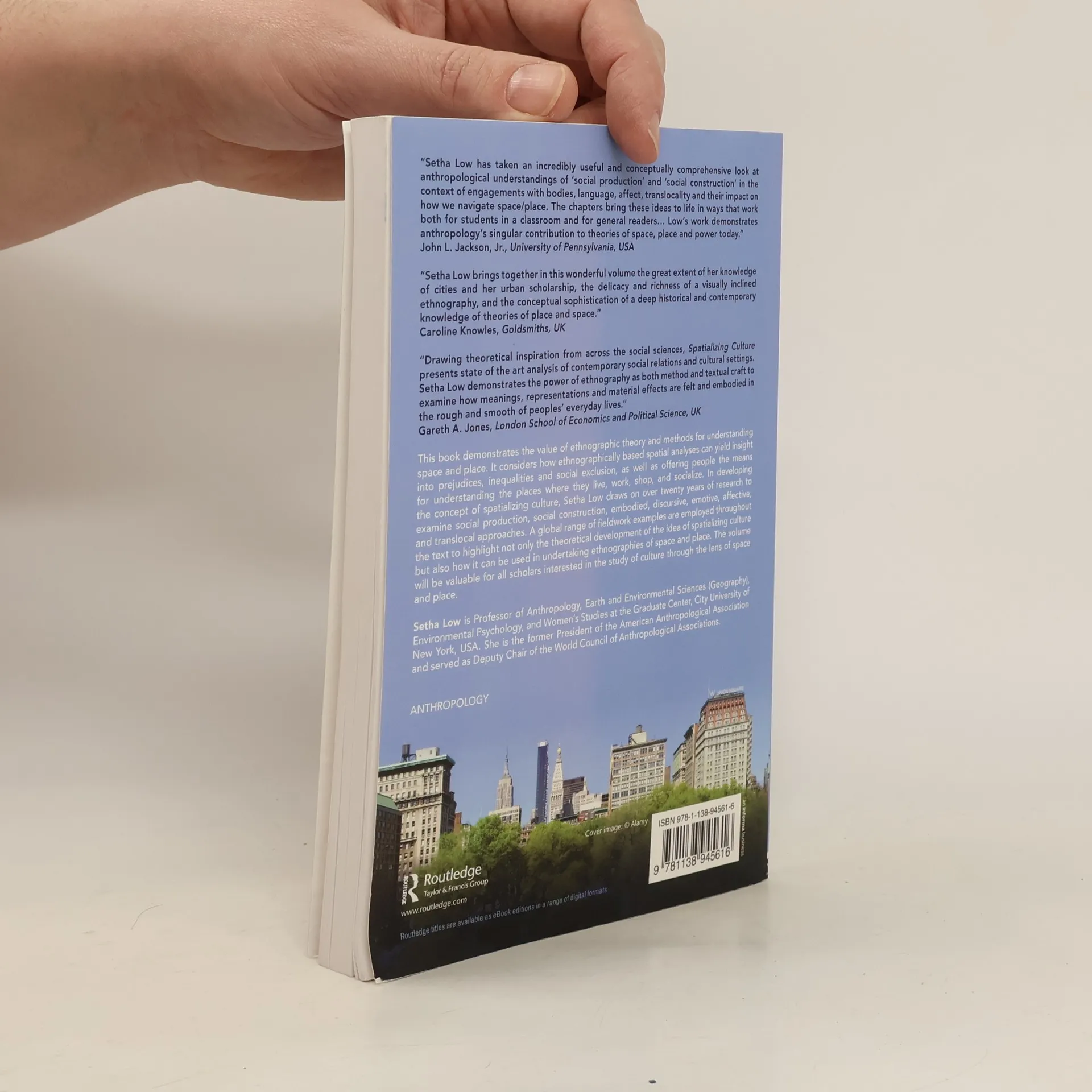
This book demonstrates the value of ethnographic theory and methods in understanding space and place, and considers how ethnographically-based spatial analyses can yield insight into prejudices, inequalities and social exclusion as well as offering people the means for understanding the places where they live, work, shop and socialize. In developing the concept of spatializing culture, Setha Low draws on over twenty years of research to examine social production, social construction, embodied, discursive, emotive and affective, as well as translocal approaches. A global range of fieldwork examples are employed throughout the text to highlight not just the theoretical development of the idea of spatializing culture, but how it can be used in undertaking ethnographies of space and place. The volume will be valuable for students and scholars from a number of disciplines who are interested in the study of culture through the lens of space and place.
Acquisto del libro
Spatializing Culture, Setha M. Low
- Lingua

- Pubblicato
- 2017
- Rilegatura
- (In brossura)
Metodi di pagamento
Qui potrebbe esserci la tua recensione.
- Titolo
- Spatializing Culture
- Lingua
- Inglese
- Autori
- Setha M. Low
- Editore
- Routledge
- Pubblicato
- 2017
- Formato
- In brossura
- Pagine
- 276
- ISBN10
- 1138945617
- ISBN13
- 9781138945616
- Serie
- Categoria
- Tag
- Viaggi
- Valutazione
- 4,25 su 5
- Descrizione
- This book demonstrates the value of ethnographic theory and methods in understanding space and place, and considers how ethnographically-based spatial analyses can yield insight into prejudices, inequalities and social exclusion as well as offering people the means for understanding the places where they live, work, shop and socialize. In developing the concept of spatializing culture, Setha Low draws on over twenty years of research to examine social production, social construction, embodied, discursive, emotive and affective, as well as translocal approaches. A global range of fieldwork examples are employed throughout the text to highlight not just the theoretical development of the idea of spatializing culture, but how it can be used in undertaking ethnographies of space and place. The volume will be valuable for students and scholars from a number of disciplines who are interested in the study of culture through the lens of space and place.