



Maggiori informazioni sul libro
As the crisis with Iraq continues, Americans have questions. Is war really necessary? What can it accomplish? What broad vision of U.S. foreign policy underlies the determination to remove Saddam Hussein? What were the failures of the last couple of decades that brought us to a showdown with a dictator developing weapons of mass destruction? What is the relationship between war with Iraq and the events of 9-11? The answers to these questions are found in this timely book by two of America's leading foreign policy thinkers. Kristol and Kaplan lay out a detailed rationale for action against Iraq. But to understand why we must fight Saddam, the authors assert, it is necessary to go beyond the details of his weapons of mass destruction, his past genocidal actions against Iran and his own people, and the U.N. resolutions he has ignored. The explanation begins with how the dominant policy ideas of the last decade--Clintonian liberalism and Republican realpolitik--led American policymakers to turn a blind eye to the threat Iraq has posed for well over a decade
Acquisto del libro
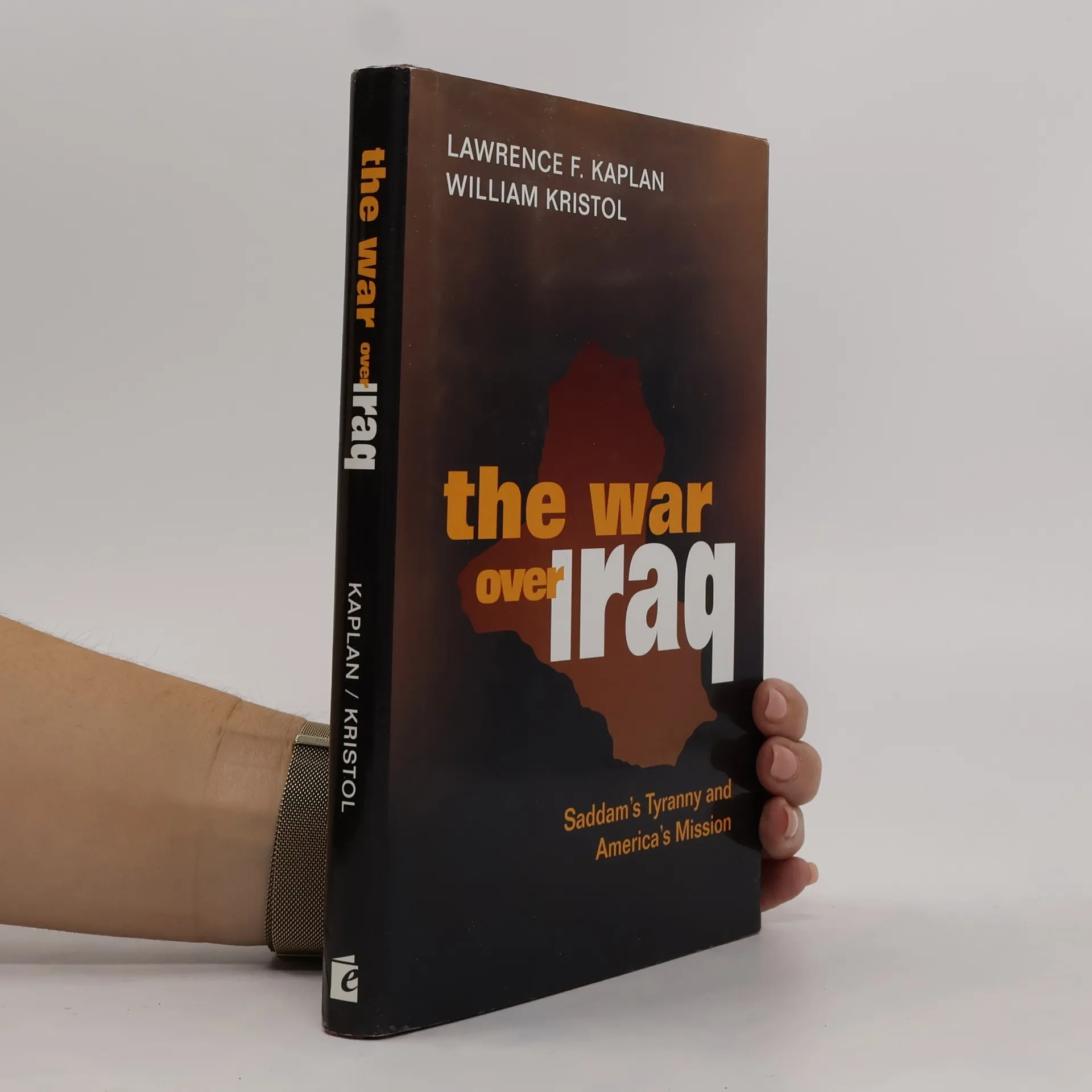
The War Over Iraq, Lawrence F. Kaplan, William Kristol
- Lingua

- Pubblicato
- 2003
- Rilegatura
- (Copertina rigida)
Metodi di pagamento
Qui potrebbe esserci la tua recensione.
- Titolo
- The War Over Iraq
- Sottotitolo
- Saddam's Tyranny and America's Mission
- Lingua
- Inglese
- Pubblicato
- 2003
- Formato
- Copertina rigida
- Pagine
- 150
- ISBN10
- 1893554694
- ISBN13
- 9781893554696
- Serie
- Valutazione
- 3,25 su 5
- Descrizione
- As the crisis with Iraq continues, Americans have questions. Is war really necessary? What can it accomplish? What broad vision of U.S. foreign policy underlies the determination to remove Saddam Hussein? What were the failures of the last couple of decades that brought us to a showdown with a dictator developing weapons of mass destruction? What is the relationship between war with Iraq and the events of 9-11? The answers to these questions are found in this timely book by two of America's leading foreign policy thinkers. Kristol and Kaplan lay out a detailed rationale for action against Iraq. But to understand why we must fight Saddam, the authors assert, it is necessary to go beyond the details of his weapons of mass destruction, his past genocidal actions against Iran and his own people, and the U.N. resolutions he has ignored. The explanation begins with how the dominant policy ideas of the last decade--Clintonian liberalism and Republican realpolitik--led American policymakers to turn a blind eye to the threat Iraq has posed for well over a decade