


Maggiori informazioni sul libro
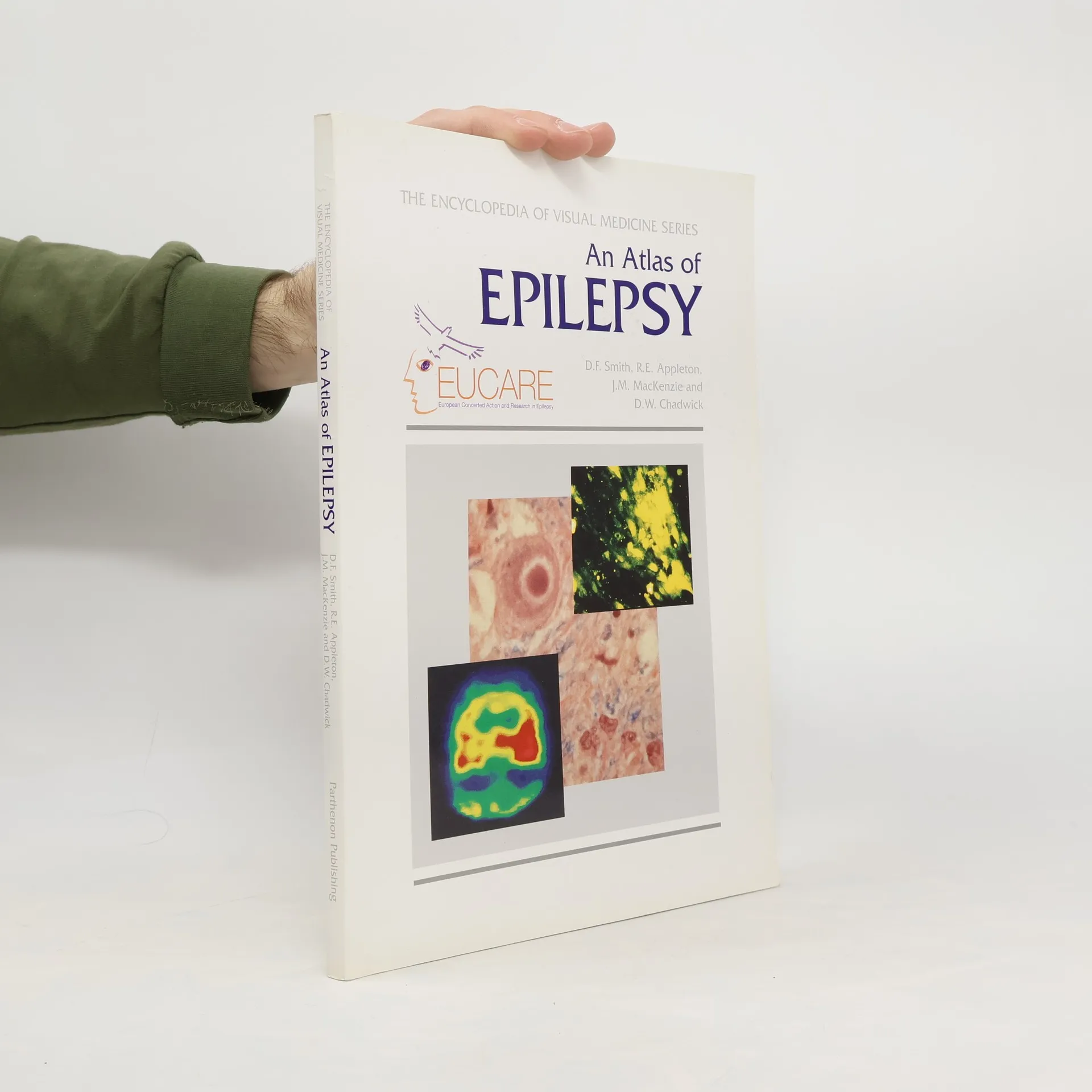
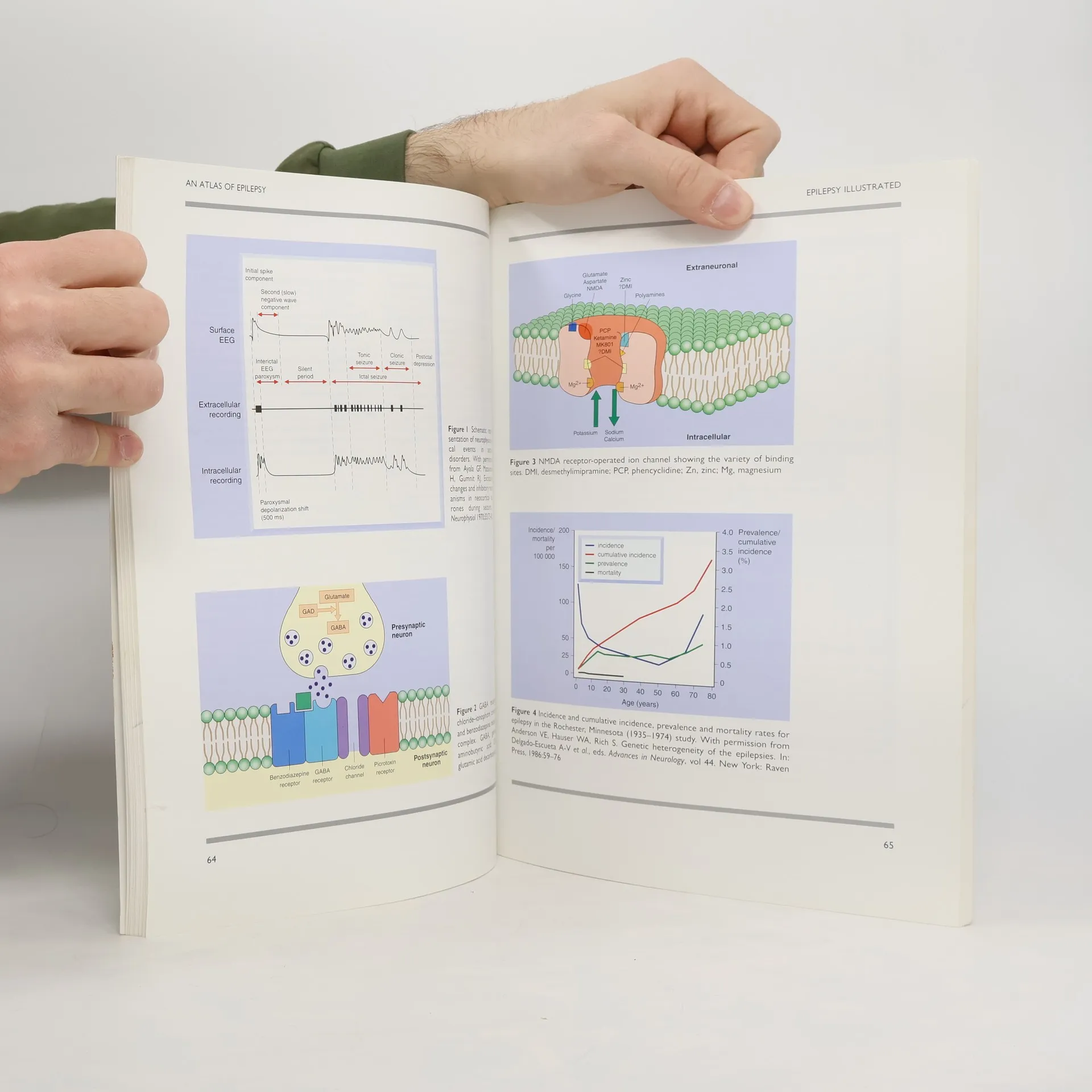
This is the first full-colour atlas ever published on epilepsy, the most common and chronic disorder of the central nervous system. It contains some 200 illustrations of electroencephalograms, CT and MRI scans, and histology slides. The six main sections cover definitions and basic mechanisms, epidemiology, diagnosis, etiology, prognosis, and management. The illustrations show how the epidemiology, natural history, and prognosis of the epilepsies can be depicted simply and effectively in graphic form. They also show how computerized tomographic and magnetic resonance imaging are used in the diagnosis and treatment of epilepsy; how better drugs have improved epilepsy treatment dramatically; and how the surgical ablation of epileptic foci has demonstrated vividly the marked neuropathological heterogeneity of the epilepsies.
Acquisto del libro
An Atlas of Epilepsy, David F. Smith, Richard Appleton, James Mackintosh MacKenzie, David Chedwick
- Lingua

- Pubblicato
- 1998
- Rilegatura
- (Copertina rigida)
Metodi di pagamento
Ancora nessuna valutazione.
- Titolo
- An Atlas of Epilepsy
- Lingua
- Inglese
- Editore
- Parthenon Publishing
- Pubblicato
- 1998
- Formato
- Copertina rigida
- Pagine
- 158
- ISBN10
- 1850704880
- ISBN13
- 9781850704881
- Serie
- Categoria
- Descrizione
- This is the first full-colour atlas ever published on epilepsy, the most common and chronic disorder of the central nervous system. It contains some 200 illustrations of electroencephalograms, CT and MRI scans, and histology slides. The six main sections cover definitions and basic mechanisms, epidemiology, diagnosis, etiology, prognosis, and management. The illustrations show how the epidemiology, natural history, and prognosis of the epilepsies can be depicted simply and effectively in graphic form. They also show how computerized tomographic and magnetic resonance imaging are used in the diagnosis and treatment of epilepsy; how better drugs have improved epilepsy treatment dramatically; and how the surgical ablation of epileptic foci has demonstrated vividly the marked neuropathological heterogeneity of the epilepsies.