



Valutazione del libro
Maggiori informazioni sul libro
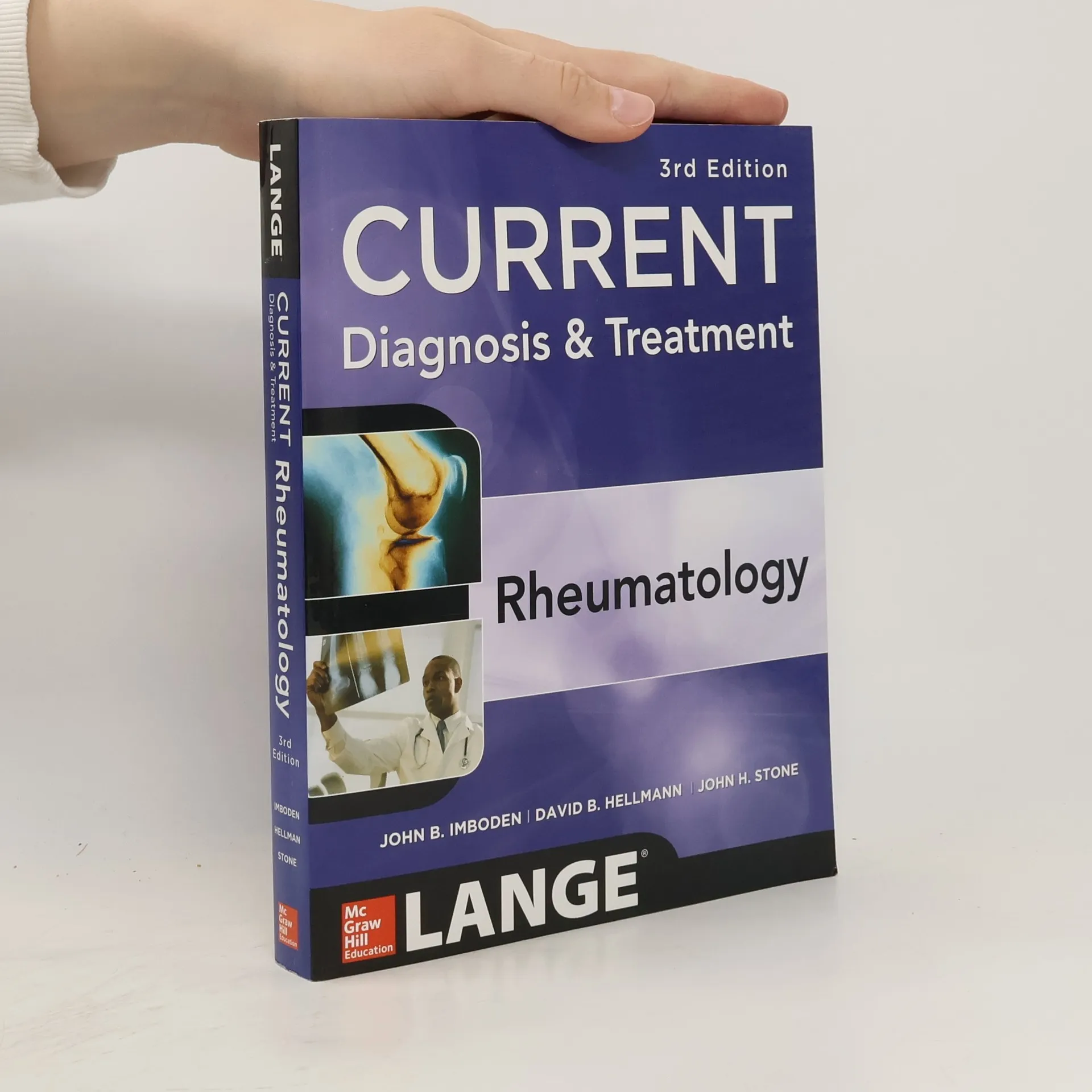
The third edition of this quick-reference guide has everything you need to keep pace with this fast-moving field--presented in the acclaimed CURRENT format. A practice-pertinent reference for primary care providers, the book simplifies the treatment of difficult-to-manage rheumatologic diseases and disorders, such as arthritis, lupus, and sarcoidosis. Features: NEW full-color photographs; NEW chapters on clinical genetics, drug-induced syndromes, and metabolic myopathies; straightforward, expert coverage of the entire range of rheumatology disorders; full explanations of common and major disorders in clinical immunology; concise chapters geared to the needs of trainees and clinicians; first section that addresses common but difficult-to-diagnose rheumatologic complaints--and delivers key "approach to the patient" strategies
Acquisto del libro
Current Diagnosis & Treatment in Rheumatology, Third Edition, AA.VV.
- Lingua

- Pubblicato
- 2013
- Rilegatura
- (In brossura)
Metodi di pagamento
Qui potrebbe esserci la tua recensione.
- Titolo
- Current Diagnosis & Treatment in Rheumatology, Third Edition
- Lingua
- Inglese
- Autori
- AA.VV.
- Pubblicato
- 2013
- Formato
- In brossura
- Pagine
- 624
- ISBN10
- 0071638059
- ISBN13
- 9780071638050
- Serie
- Categoria
- Valutazione
- 4,4 su 5
- Descrizione
- The third edition of this quick-reference guide has everything you need to keep pace with this fast-moving field--presented in the acclaimed CURRENT format. A practice-pertinent reference for primary care providers, the book simplifies the treatment of difficult-to-manage rheumatologic diseases and disorders, such as arthritis, lupus, and sarcoidosis. Features: NEW full-color photographs; NEW chapters on clinical genetics, drug-induced syndromes, and metabolic myopathies; straightforward, expert coverage of the entire range of rheumatology disorders; full explanations of common and major disorders in clinical immunology; concise chapters geared to the needs of trainees and clinicians; first section that addresses common but difficult-to-diagnose rheumatologic complaints--and delivers key "approach to the patient" strategies