

Maggiori informazioni sul libro
This book encourages the teacher to see mistakes as an important part of the learning process. It looks at the different kinds of mistakes that learners make and offers practical advice on when to correct mistakes and when to leave them, and on how best to correct them in both written and oral work. It includes chapters showing the teacher how to adopt a positive attitude towards mistakes and how to use them as a vital tool in encouraging the students' progress in English. The author looks at the need to balance accuracy and fluency and gives practical suggestions on how to correct students' mistakes whilst maintaining their enthusiasm for English and encouraging them to speak freely. The author gives advice on different correction techniques and activities to help teachers try out new techniques in their own classrooms. Examples of exercises and activities from coursebooks are given, together with student responses, and the author shows how these may be corrected with the maximum benefit to the student and the class as a whole.
Acquisto del libro
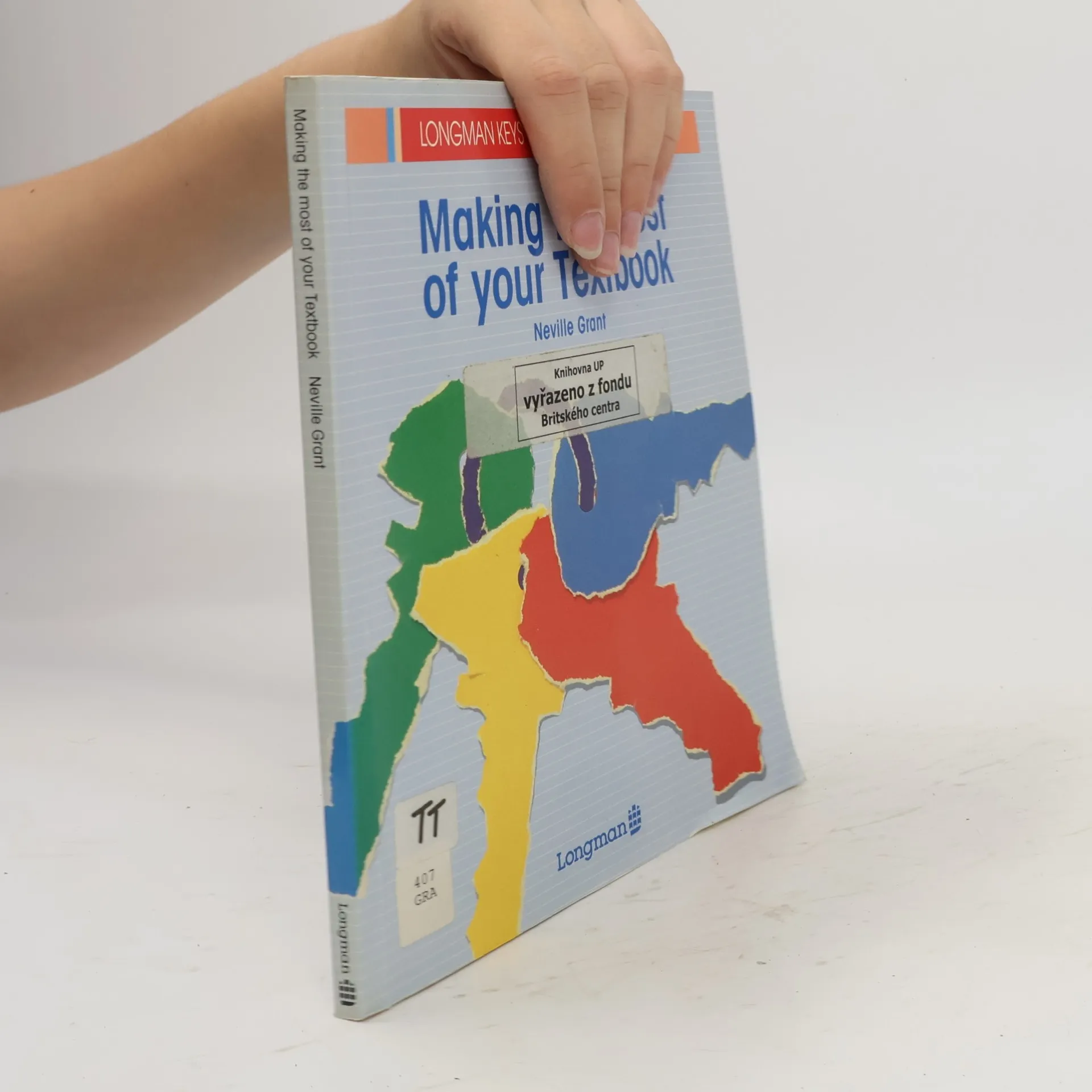
Making the Most of your Textbook, Neville Grant
- Lingua

- Pubblicato
- 1991
- Rilegatura
- (In brossura)
Metodi di pagamento
Qui potrebbe esserci la tua recensione.
- Titolo
- Making the Most of your Textbook
- Lingua
- Inglese
- Autori
- Neville Grant
- Editore
- Longman
- Pubblicato
- 1991
- Formato
- In brossura
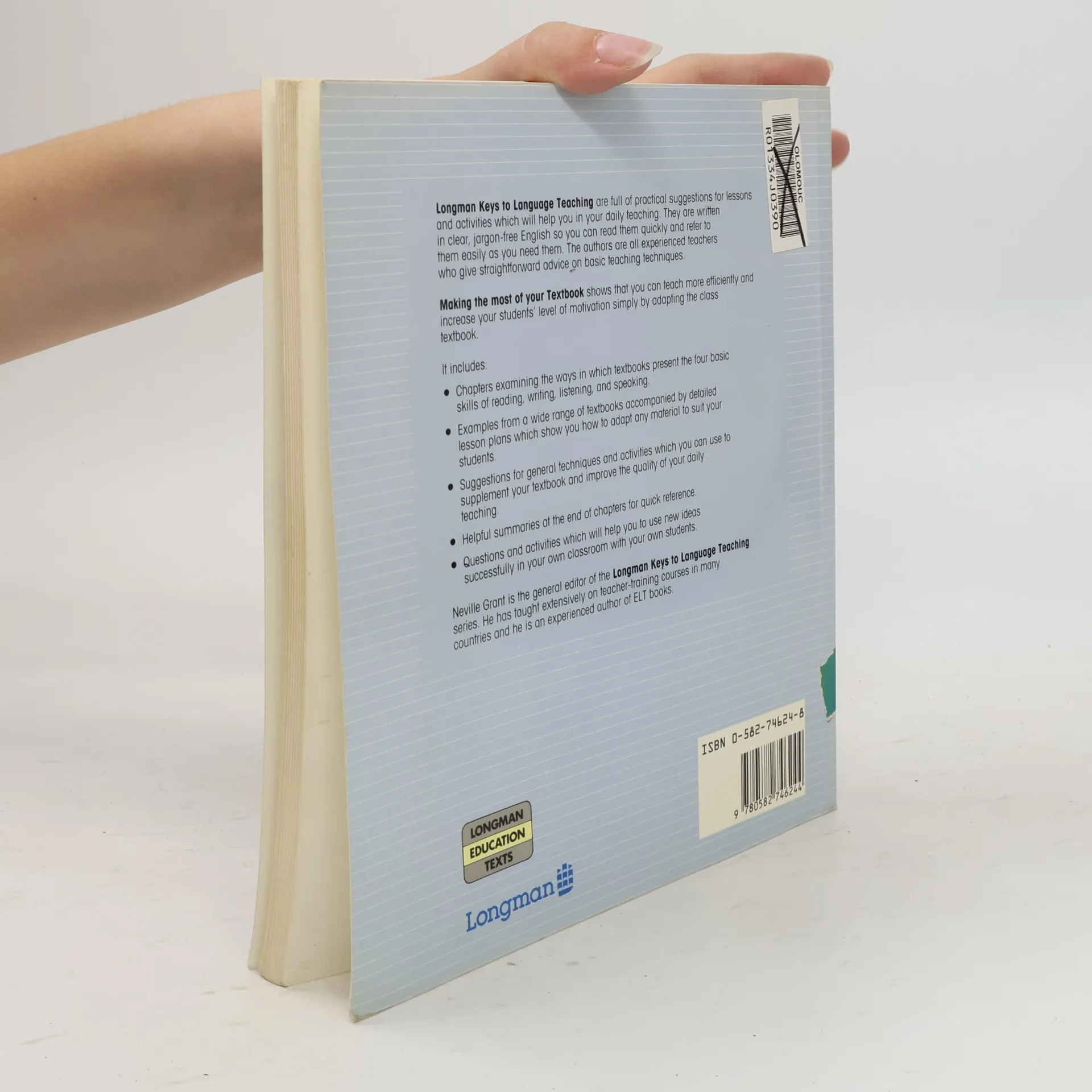
- ISBN10
- 0582746248
- ISBN13
- 9780582746244
- Serie
- Categoria
- Valutazione
- 3,2 su 5
- Descrizione
- This book encourages the teacher to see mistakes as an important part of the learning process. It looks at the different kinds of mistakes that learners make and offers practical advice on when to correct mistakes and when to leave them, and on how best to correct them in both written and oral work. It includes chapters showing the teacher how to adopt a positive attitude towards mistakes and how to use them as a vital tool in encouraging the students' progress in English. The author looks at the need to balance accuracy and fluency and gives practical suggestions on how to correct students' mistakes whilst maintaining their enthusiasm for English and encouraging them to speak freely. The author gives advice on different correction techniques and activities to help teachers try out new techniques in their own classrooms. Examples of exercises and activities from coursebooks are given, together with student responses, and the author shows how these may be corrected with the maximum benefit to the student and the class as a whole.