

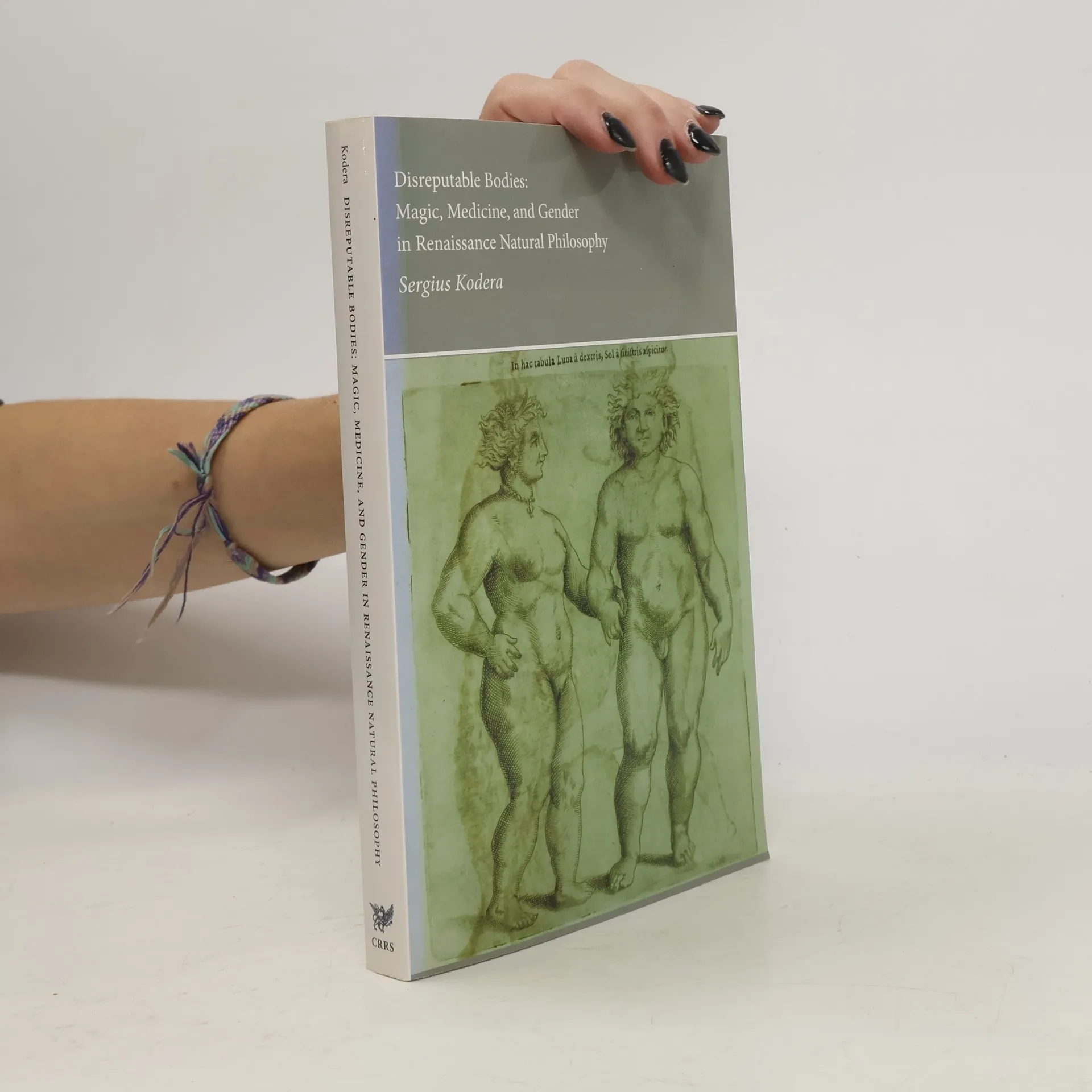


Disreputable Bodies
Magic, Medicine, and Gender in Renaissance Natural Philosophy
Autori
Valutazione del libro
Parametri
- 320pagine
- 12 ore di lettura
Maggiori informazioni sul libro
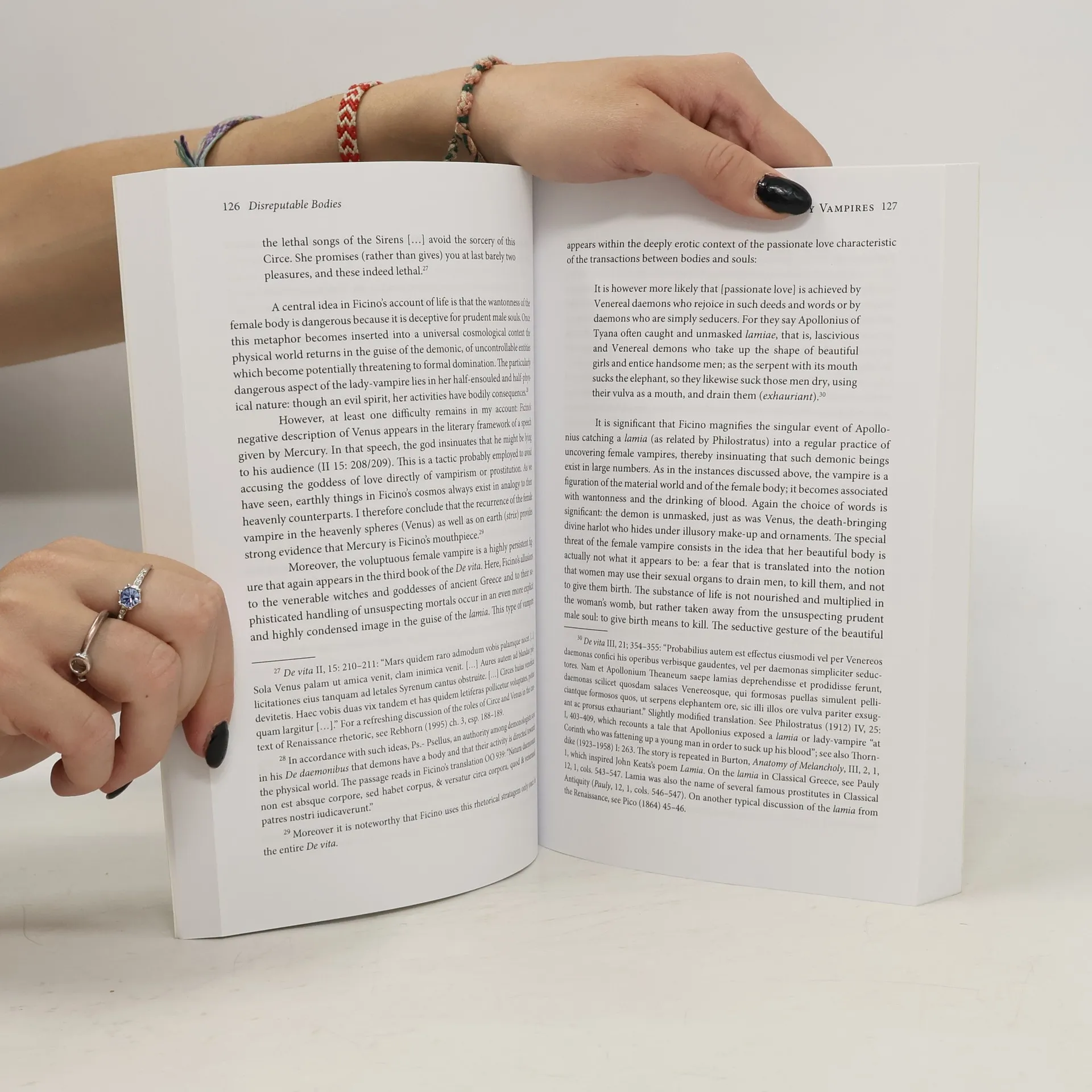
"Through a close reading of rarely studied materials, the author examines the contested position of the body in Renaissance philosophy, showing how abstract metaphysical ideas evolved in tandem with the creation of new metaphors that shaped the understanding of early modern political, cultural, and scientific practices. The result is a new approach to the issues that describes the function of new technologies (such as optics and distillation) and their interaction with popular creeds (such as witchcraft and folk medicine), as well as their relationship to the newly discovered ancient Greek and Roman texts that captured the attention of Renaissance intellectuals. The text also investigates, for the first time, how some philosophers forged their original syntheses from newly available and traditional materials. In so doing, these philosophers contributed in unexpected ways to the formation of new cultural practices--practices that entailed largely unexplored conceptualisations of physical bodies but also linked inextricably to the formation of new and striking metaphors for the physical world."--Publisher
Acquisto del libro
Disreputable Bodies, Sergius Kodera
- Lingua

- Pubblicato
- 2010
- Rilegatura
- (In brossura)
Metodi di pagamento
Qui potrebbe esserci la tua recensione.
- Titolo
- Disreputable Bodies
- Sottotitolo
- Magic, Medicine, and Gender in Renaissance Natural Philosophy
- Lingua
- Inglese
- Autori
- Sergius Kodera
- Pubblicato
- 2010
- Formato
- In brossura
- Pagine
- 320
- ISBN10
- 0772720606
- ISBN13
- 9780772720603
- Serie
- Categoria
- Tag
- Tema stórico, Tematica filosofica, Rinascimento, Storia della filosofia, Filosofia rinascimentale
- Valutazione
- 2,5 su 5
- Descrizione
- "Through a close reading of rarely studied materials, the author examines the contested position of the body in Renaissance philosophy, showing how abstract metaphysical ideas evolved in tandem with the creation of new metaphors that shaped the understanding of early modern political, cultural, and scientific practices. The result is a new approach to the issues that describes the function of new technologies (such as optics and distillation) and their interaction with popular creeds (such as witchcraft and folk medicine), as well as their relationship to the newly discovered ancient Greek and Roman texts that captured the attention of Renaissance intellectuals. The text also investigates, for the first time, how some philosophers forged their original syntheses from newly available and traditional materials. In so doing, these philosophers contributed in unexpected ways to the formation of new cultural practices--practices that entailed largely unexplored conceptualisations of physical bodies but also linked inextricably to the formation of new and striking metaphors for the physical world."--Publisher