

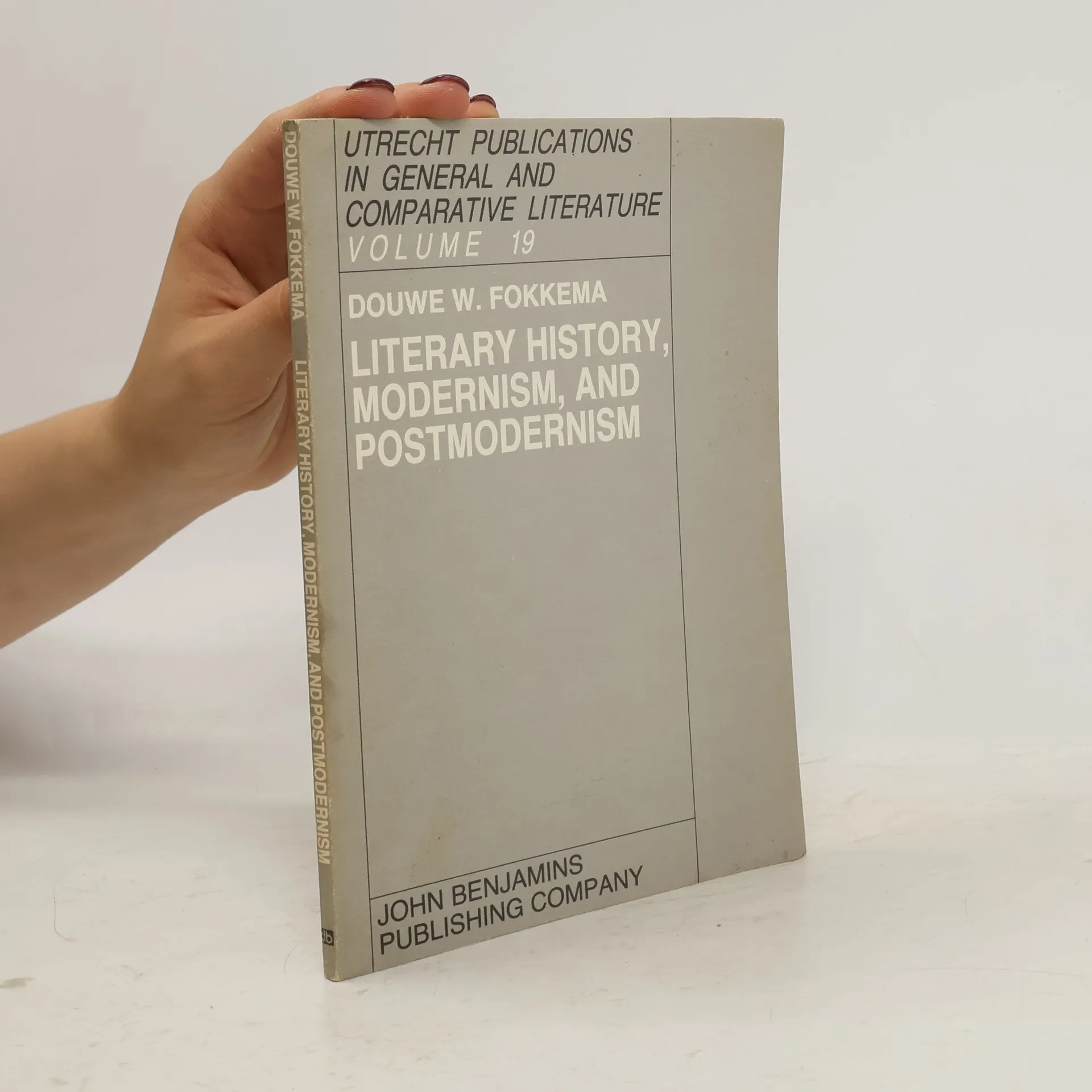
Literary History, Modernism, and Postmodernism
Autori
Parametri
Maggiori informazioni sul libro
In these lectures, delivered at Harvard University in March 1983, the differences between Modernism and Postmodernism are discussed in semiotic terms, based on a contrastive analysis of semantic and syntactical (compositional) features. They present the major results of research into the literary conventions of Modernism (Gide, Larbaud, V. Woolf, du Perron, Th. Mann) and the innovations of Postmodernism (Borges, Fuentes, Barthelme, Calvino, Hermans). The investigation of innovation in literary history is based on a concept of literary evolution, launched by the Russian Formalists and elaborated by reception theory and semioticians such as Lotman and Eco. The author argues for further corroboration by means of empirical - textual as well as psychological - research.
Acquisto del libro
Literary History, Modernism, and Postmodernism, Douwe Wessel Fokkema
- Lingua

- Pubblicato
- 1984
- Rilegatura
- (In brossura)
Metodi di pagamento
Ancora nessuna valutazione.
- Titolo
- Literary History, Modernism, and Postmodernism
- Lingua
- Inglese
- Autori
- Douwe Wessel Fokkema
- Pubblicato
- 1984
- Formato
- In brossura
- ISBN10
- 9027222045
- ISBN13
- 9789027222046
- Serie
- Tag
- Descrizione
- In these lectures, delivered at Harvard University in March 1983, the differences between Modernism and Postmodernism are discussed in semiotic terms, based on a contrastive analysis of semantic and syntactical (compositional) features. They present the major results of research into the literary conventions of Modernism (Gide, Larbaud, V. Woolf, du Perron, Th. Mann) and the innovations of Postmodernism (Borges, Fuentes, Barthelme, Calvino, Hermans). The investigation of innovation in literary history is based on a concept of literary evolution, launched by the Russian Formalists and elaborated by reception theory and semioticians such as Lotman and Eco. The author argues for further corroboration by means of empirical - textual as well as psychological - research.