

Maggiori informazioni sul libro
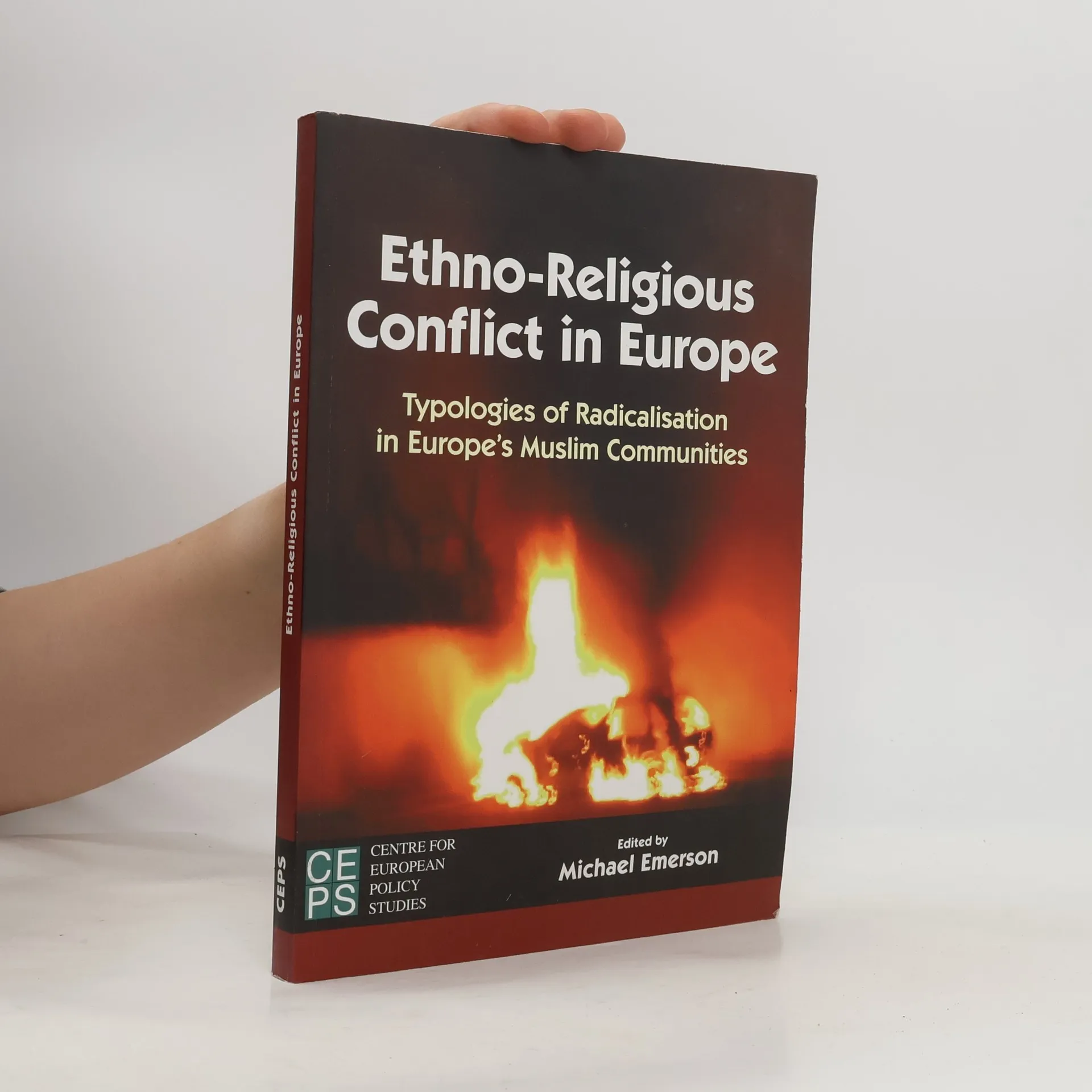
The presence of minority groups of Muslim culture is one of the greatest sources of societal tensions, and in some cases of violent conflict, in contemporary Europe. This book presents six country studies of Muslim-related conflict, from Belgium, France, the Netherlands, Spain, Russia, and the United Kingdom.The societal tensions typically flow from two quite different sources: the broad and relatively soft issues of social and economic integration and the narrowly concentrated but very hard issues of terrorist violence inspired by radical ideas. Both have hit most of the countries under study to some degree. The justification for taking these two phenomena together is that, while categorically different, they are dynamically interconnected, feeding on each other toward escalation.Overarching the six case studies, with their varied histories and contexts, Olivier Roy presents major hypotheses of interpretation of al Qaeda-type terrorism as a deterritorialized or globalized phenomenon.
Acquisto del libro
Ethno-Religious Conflict in Europe, Michael Emerson
- Lingua

- Pubblicato
- 2009
- Rilegatura
- (In brossura)
Metodi di pagamento
Ancora nessuna valutazione.
- Titolo
- Ethno-Religious Conflict in Europe
- Lingua
- Inglese
- Autori
- Michael Emerson
- Pubblicato
- 2009
- Formato
- In brossura
- ISBN10
- 929079822X
- ISBN13
- 9789290798224
- Serie
- Tag
- Descrizione
- The presence of minority groups of Muslim culture is one of the greatest sources of societal tensions, and in some cases of violent conflict, in contemporary Europe. This book presents six country studies of Muslim-related conflict, from Belgium, France, the Netherlands, Spain, Russia, and the United Kingdom.The societal tensions typically flow from two quite different sources: the broad and relatively soft issues of social and economic integration and the narrowly concentrated but very hard issues of terrorist violence inspired by radical ideas. Both have hit most of the countries under study to some degree. The justification for taking these two phenomena together is that, while categorically different, they are dynamically interconnected, feeding on each other toward escalation.Overarching the six case studies, with their varied histories and contexts, Olivier Roy presents major hypotheses of interpretation of al Qaeda-type terrorism as a deterritorialized or globalized phenomenon.