

Maggiori informazioni sul libro
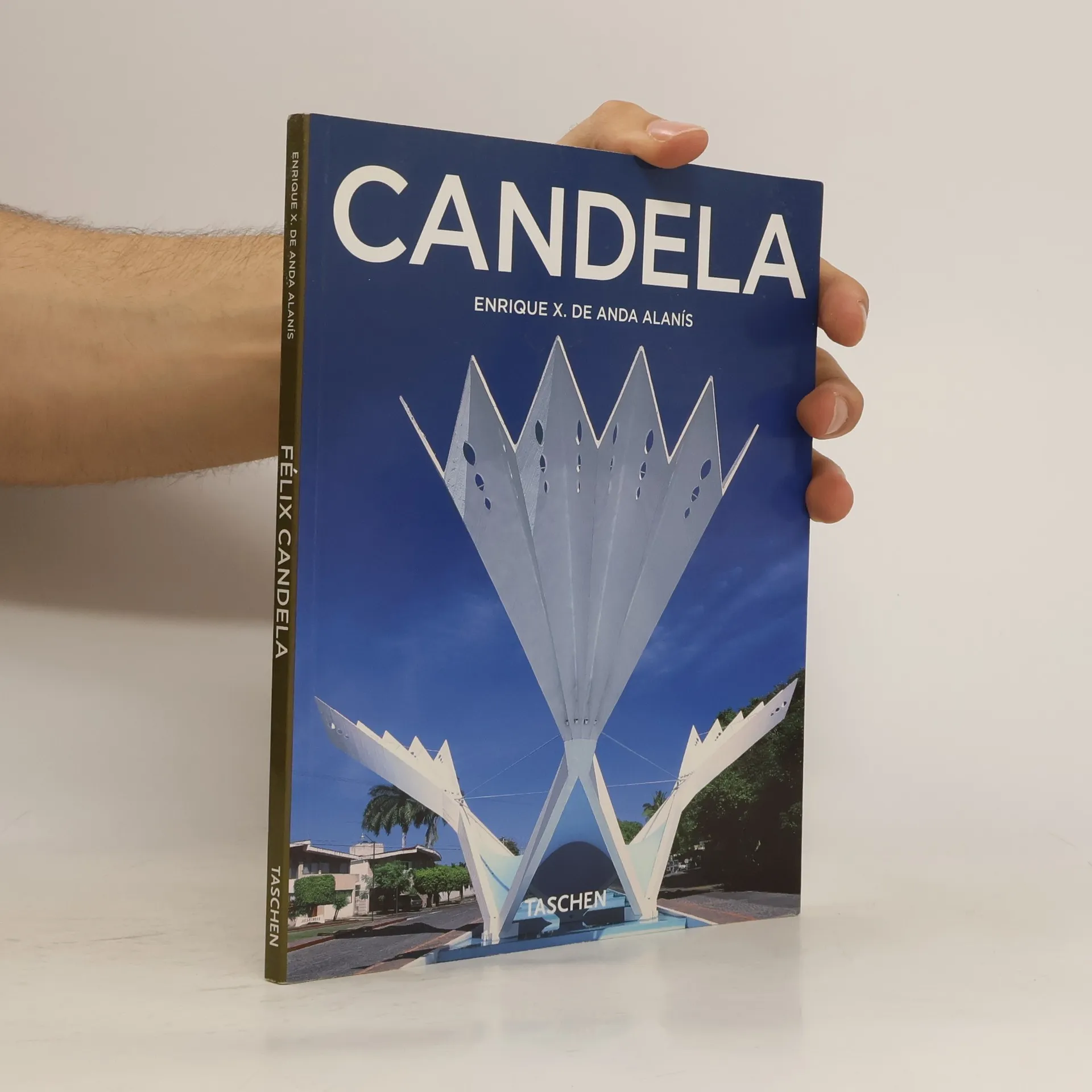
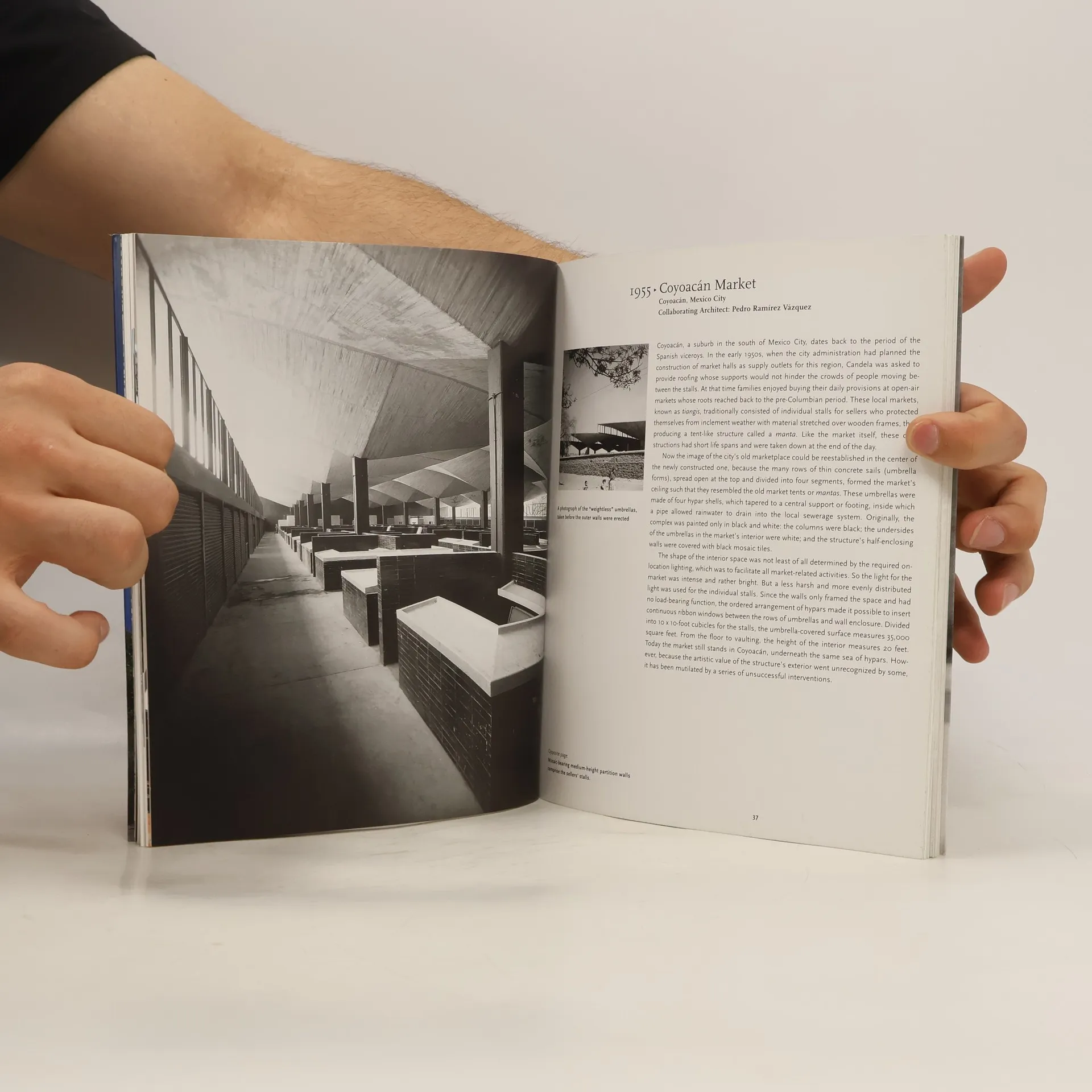
The focus of this monograph on Spanish-born Félix Candela (1919–1997) is on modern Mexican architecture and its international influence. Conducting daring structural experiments with materials such as reinforced concrete and experimenting with shell vaulting to find new methods to save costs and material in building, Candela not only succeeded in putting his engineering knowledge into high quality constructions but also into high quality architecture. Geometry marks his impressive sculptural work, not only in the industrial buildings but also in churches, restaurants, university buildings, and sport facilities. With this book, readers are invited to discover how construction problems result in poetic and bizarre forms, and how advances in engineering can lead to expressionist architecture.
Acquisto del libro
Candela, Enrique X. de Anda Alanís
- Lingua

- Pubblicato
- 2008
- Rilegatura
- (In brossura)
Metodi di pagamento
Qui potrebbe esserci la tua recensione.
- Titolo
- Candela
- Lingua
- Inglese
- Editore
- Taschen
- Pubblicato
- 2008
- Formato
- In brossura
- Pagine
- 96
- ISBN10
- 3822837253
- ISBN13
- 9783822837252
- Valutazione
- 4,05 su 5
- Descrizione
- The focus of this monograph on Spanish-born Félix Candela (1919–1997) is on modern Mexican architecture and its international influence. Conducting daring structural experiments with materials such as reinforced concrete and experimenting with shell vaulting to find new methods to save costs and material in building, Candela not only succeeded in putting his engineering knowledge into high quality constructions but also into high quality architecture. Geometry marks his impressive sculptural work, not only in the industrial buildings but also in churches, restaurants, university buildings, and sport facilities. With this book, readers are invited to discover how construction problems result in poetic and bizarre forms, and how advances in engineering can lead to expressionist architecture.