

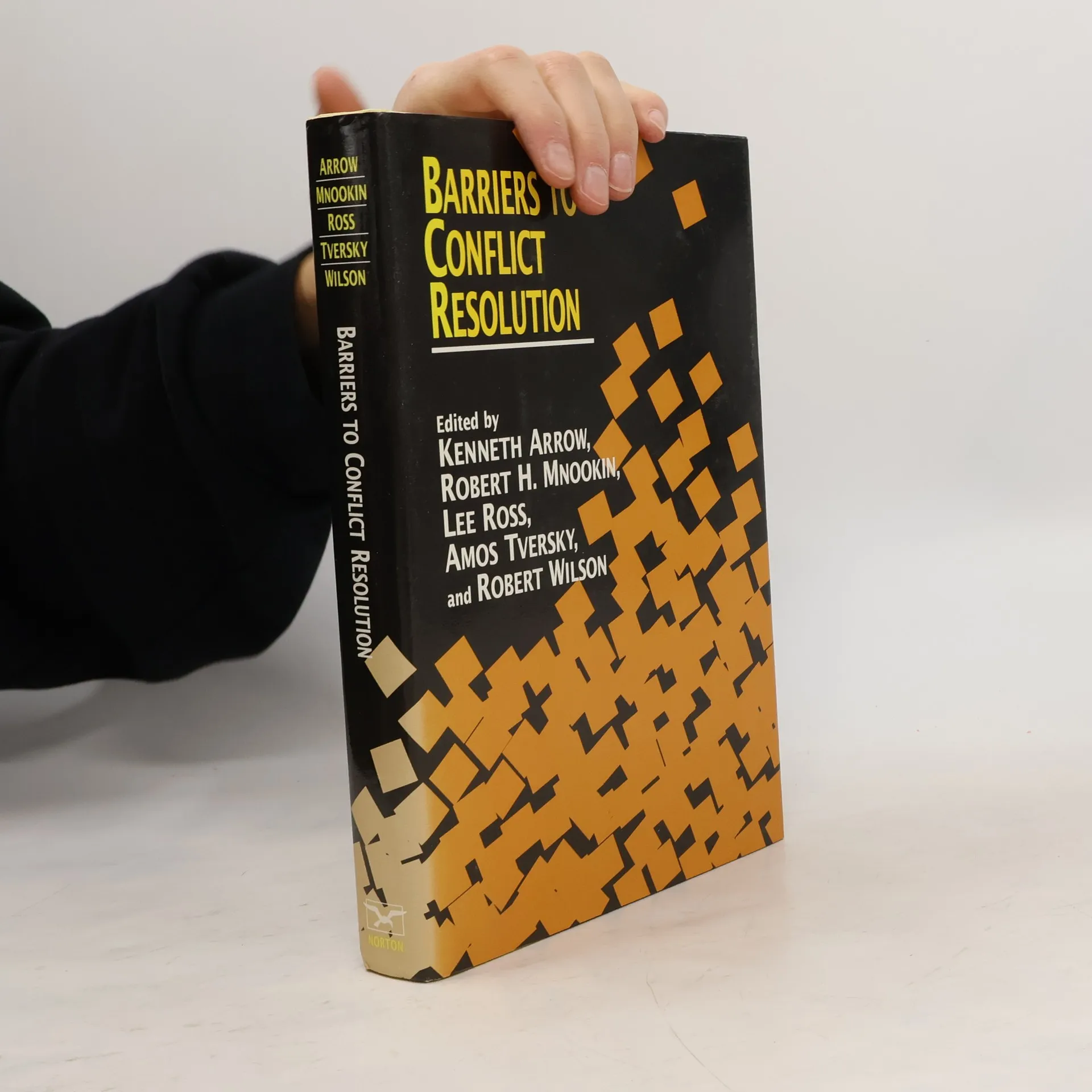
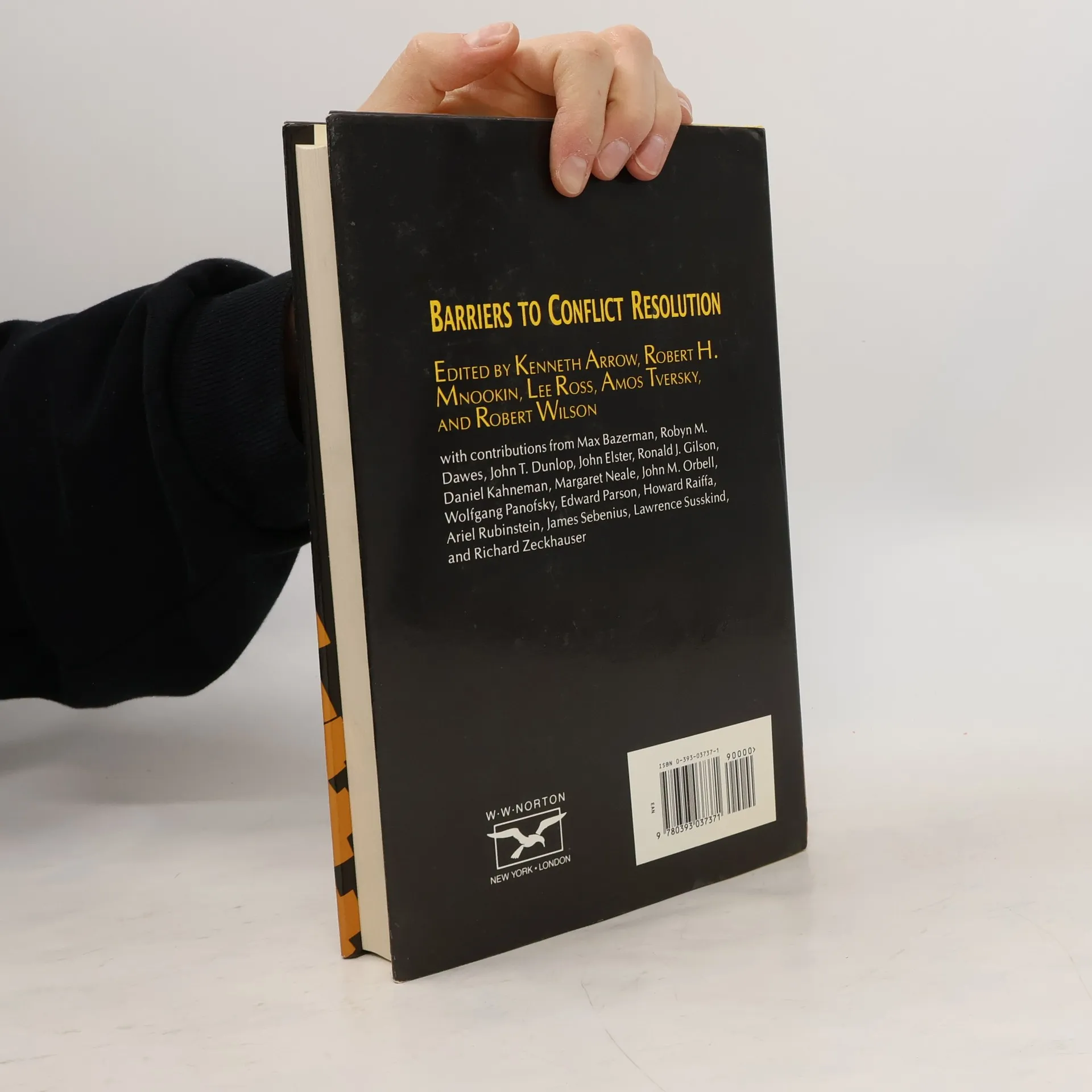

Barriers to Conflict Resolution
Autori
Valutazione del libro
Maggiori informazioni sul libro
Why can't we all just get along? In family life, schools, law, the business world, and domestic and international affairs, it is all too common for disputes to fester unresolved even when the parties are committed to a negotiated settlement. In this book members and associates of the Stanford Center on Conflict and Negotiation address the complex issues that protract disputes and turn potential win-win negotiations into conflicts that leave everyone worse off. Drawing on such diverse but related disciplines as economics, cognitive psychology, statistics, and game and decision-making theory, the book considers the barriers to successful negotiation in such areas as civil litigation, family law, arms control, labor-management disputes, environmental treaty making, and politics. When does it pay for parties to a dispute to cooperate, and when to compete? How can third-party negotiators further resolutions and avoid the pitfalls that deepen the divisions between antagonists? Offering answers to these and related questions, this book is a comprehensive guide to the latest understanding of ways to resolve human conflict.
Acquisto del libro
Barriers to Conflict Resolution, Kenneth Joseph Arrow
- Lingua

- Pubblicato
- 1995
- Rilegatura
- (Copertina rigida)
Metodi di pagamento
Qui potrebbe esserci la tua recensione.
- Titolo
- Barriers to Conflict Resolution
- Lingua
- Inglese
- Autori
- Kenneth Joseph Arrow
- Editore
- W. W. Norton & Company
- Pubblicato
- 1995
- Formato
- Copertina rigida
- Pagine
- 376
- ISBN10
- 0393037371
- ISBN13
- 9780393037371
- Serie
- Tag
- Commercio
- Valutazione
- 5 su 5
- Descrizione
- Why can't we all just get along? In family life, schools, law, the business world, and domestic and international affairs, it is all too common for disputes to fester unresolved even when the parties are committed to a negotiated settlement. In this book members and associates of the Stanford Center on Conflict and Negotiation address the complex issues that protract disputes and turn potential win-win negotiations into conflicts that leave everyone worse off. Drawing on such diverse but related disciplines as economics, cognitive psychology, statistics, and game and decision-making theory, the book considers the barriers to successful negotiation in such areas as civil litigation, family law, arms control, labor-management disputes, environmental treaty making, and politics. When does it pay for parties to a dispute to cooperate, and when to compete? How can third-party negotiators further resolutions and avoid the pitfalls that deepen the divisions between antagonists? Offering answers to these and related questions, this book is a comprehensive guide to the latest understanding of ways to resolve human conflict.