

Parametri
- 288pagine
- 11 ore di lettura
Maggiori informazioni sul libro
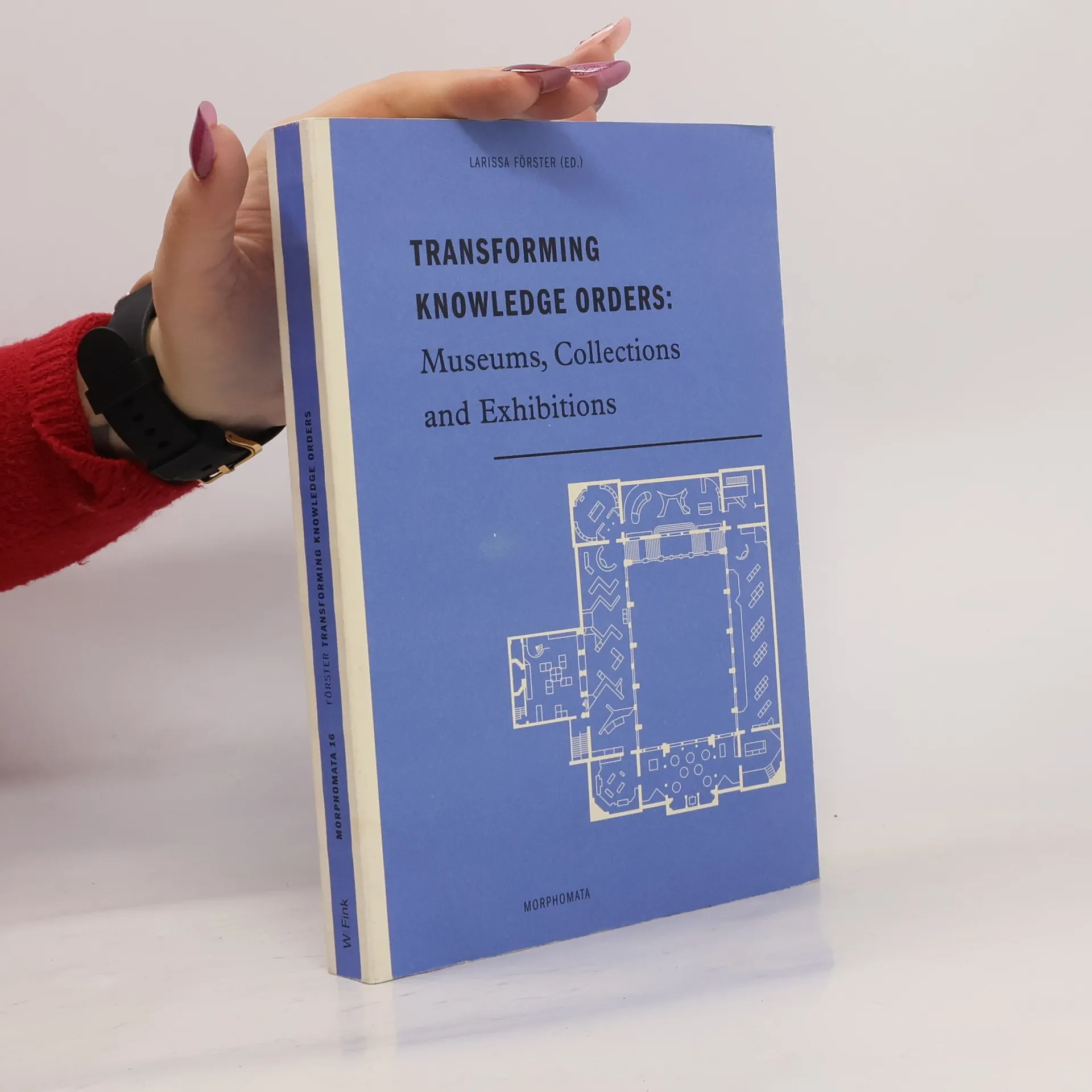
Museums transmit and disseminate, yet also produce knowledge. Collections and exhibitions reflect scientific theory and scholarly practice, and in turn shape them. This volume brings together case studies from various historical and cultural contexts that illuminate such dynamics. On the one hand, museums visualize and stabilize orders of knowledge through assembling, classifying and exhibiting objects; on the other hand, new academic paradigms and political changes and upheavals lead to a rearrangement of facts and artifacts in museum storerooms and displays. The volume focuses on transcultural collections and exhibitions such as curiosity cabinets, ethnographic and archeological collections, but also explores transformative moments in the history of art museums as well as science as technology museums.
Acquisto del libro
Morphomata - 16: Transforming Knowledge Orders, Larissa Förster
- Lingua

- Pubblicato
- 2014
- Rilegatura
- (In brossura)
Metodi di pagamento
Ancora nessuna valutazione.
- Titolo
- Morphomata - 16: Transforming Knowledge Orders
- Sottotitolo
- Museums, Collections and Exhibitions
- Lingua
- Inglese
- Autori
- Larissa Förster
- Editore
- Fink
- Pubblicato
- 2014
- Formato
- In brossura
- Pagine
- 288
- ISBN10
- 3770556135
- ISBN13
- 9783770556137
- Serie
- Categoria
- Tag
- Libri di testo, Commercio, Arte, Libri di testo universitari, Cataloghi di mostre, Serie, Storia dell'arte, Libri di testo di storia, Musei, Conoscenze e Sapere, Storia sociale
- Descrizione
- Museums transmit and disseminate, yet also produce knowledge. Collections and exhibitions reflect scientific theory and scholarly practice, and in turn shape them. This volume brings together case studies from various historical and cultural contexts that illuminate such dynamics. On the one hand, museums visualize and stabilize orders of knowledge through assembling, classifying and exhibiting objects; on the other hand, new academic paradigms and political changes and upheavals lead to a rearrangement of facts and artifacts in museum storerooms and displays. The volume focuses on transcultural collections and exhibitions such as curiosity cabinets, ethnographic and archeological collections, but also explores transformative moments in the history of art museums as well as science as technology museums.