



Parametri
- 288pagine
- 11 ore di lettura
Maggiori informazioni sul libro
When architecture serves as a tool for punishment through confinement and isolation, every design choice profoundly impacts lives. This work explores prison architecture, examining where spaces of incarceration, from jails to migration camps, manifest and how their spatial logics affect contemporary society. It presents an account of prison design and its effects by centering the voices of those impacted by the correctional system in the U.S., alongside activists, architects, designers, scholars, artists, and students. This approach sheds light on a critical issue of our time and encourages a reimagining of a society grappling with mass incarceration. Contributions come from a diverse array of individuals, including experts, scholars, and those directly affected by the system. The text includes an addendum with historical and pedagogical tools, enhancing its educational value. A foreword by New York Times architecture critic Michael Kimmelman sets the stage for this groundbreaking critical analysis of the architecture of jails and prisons. This collection not only highlights the pressing need for reform but also emphasizes the importance of understanding the built environment's role in shaping human experiences within these spaces.
Acquisto del libro
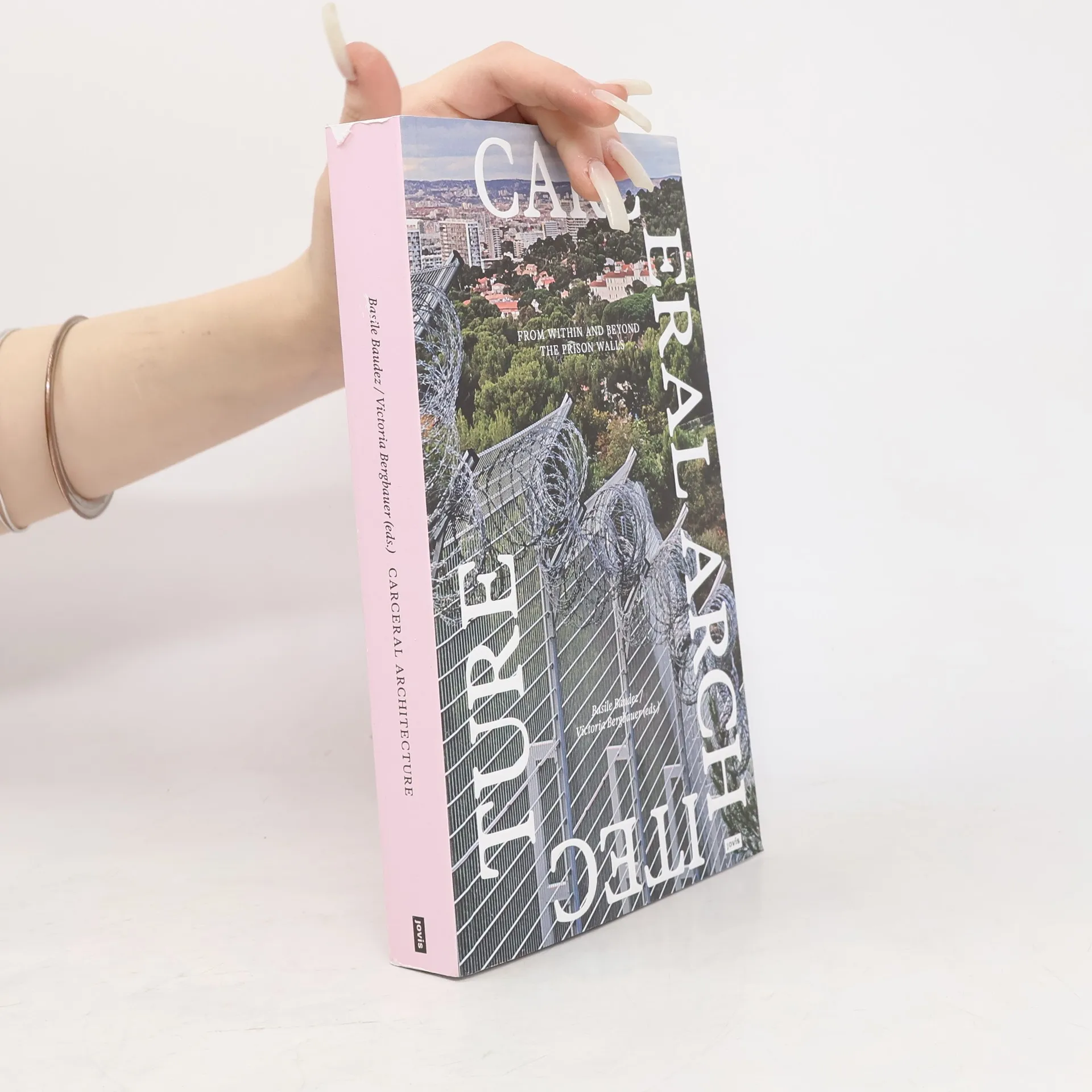
Carceral Architecture, Basile Baudrez, Victoria Berghauer
- Lingua

- Pubblicato
- 2025
- Rilegatura
- (In brossura)
Metodi di pagamento
Ancora nessuna valutazione.
- Titolo
- Carceral Architecture
- Sottotitolo
- From Within and Beyond the Prison Walls
- Lingua
- Inglese
- Autori
- Basile Baudrez, Victoria Berghauer
- Editore
- JOVIS Verlag GmbH
- Pubblicato
- 2025
- Formato
- In brossura
- Pagine
- 288
- ISBN10
- 3986122052
- ISBN13
- 9783986122058
- Serie
- Categoria
- Tag
- Temi religiosi, Arte, Architettura, USA, Salute, Bambini, Seconda guerra mondiale, Cibo, Educazione, istruzione, Morte, XIX Secolo, Fede, Occupazione, Etica, Media e comunicazione mediatica, Città, Povertà, Prigione, Campagna, Metamorfosi, Eredità, Biblioteche, Diritto penale, Tortura, Attivismo, Sicurezza, Discriminazione, Scuola, Transgender, Storia dell'architettura, Pena di morte, Mediazione, Criminalità giovanile, Cappelle, Integrazione Sociale, Diritto penale capitale, Quaccheri, Probatione, Caserme
- Descrizione
- When architecture serves as a tool for punishment through confinement and isolation, every design choice profoundly impacts lives. This work explores prison architecture, examining where spaces of incarceration, from jails to migration camps, manifest and how their spatial logics affect contemporary society. It presents an account of prison design and its effects by centering the voices of those impacted by the correctional system in the U.S., alongside activists, architects, designers, scholars, artists, and students. This approach sheds light on a critical issue of our time and encourages a reimagining of a society grappling with mass incarceration. Contributions come from a diverse array of individuals, including experts, scholars, and those directly affected by the system. The text includes an addendum with historical and pedagogical tools, enhancing its educational value. A foreword by New York Times architecture critic Michael Kimmelman sets the stage for this groundbreaking critical analysis of the architecture of jails and prisons. This collection not only highlights the pressing need for reform but also emphasizes the importance of understanding the built environment's role in shaping human experiences within these spaces.