

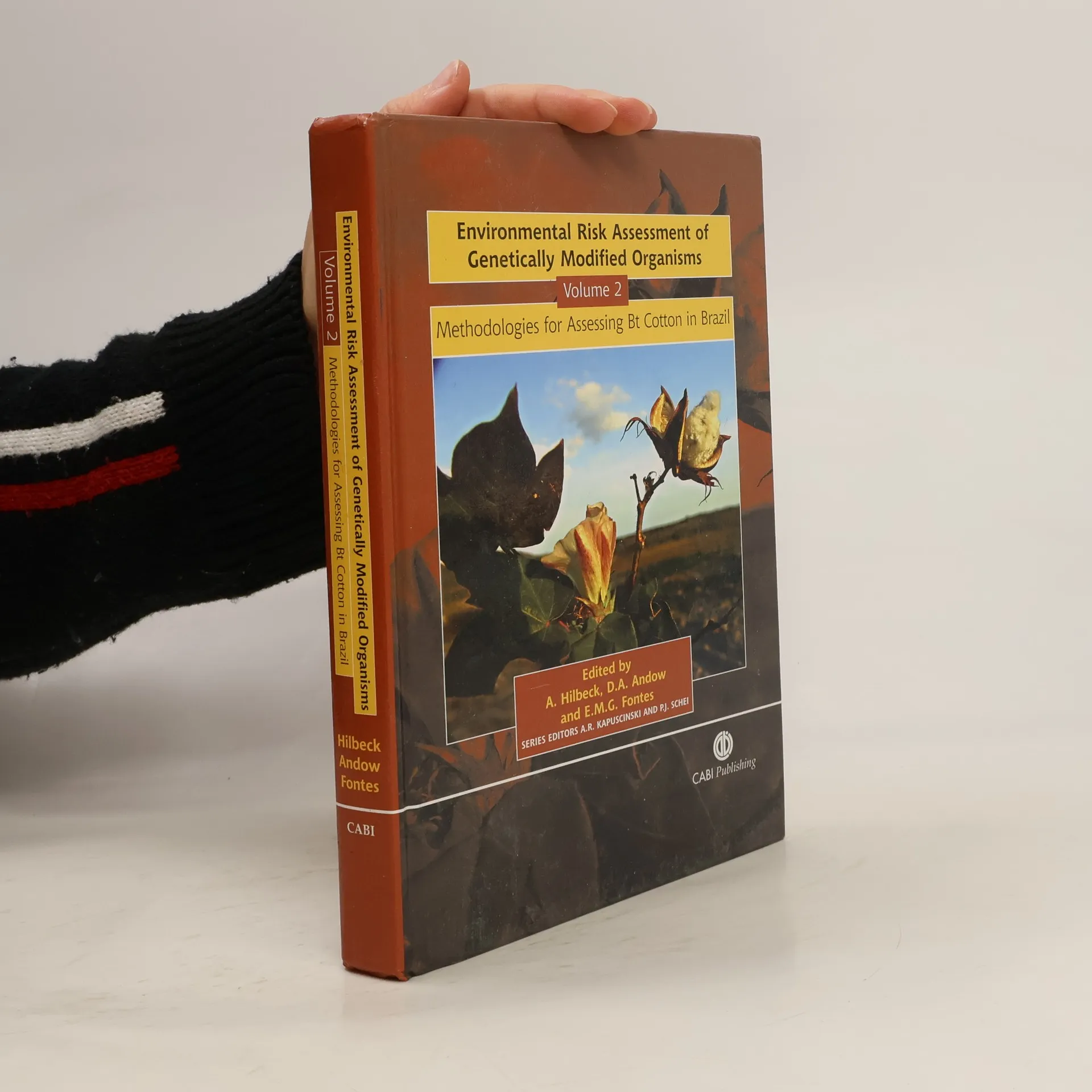
Environmental Risk Assessment of Genetically Modified Organisms
Methodologies for Assessing Bt Cotton in Brazil
Maggiori informazioni sul libro
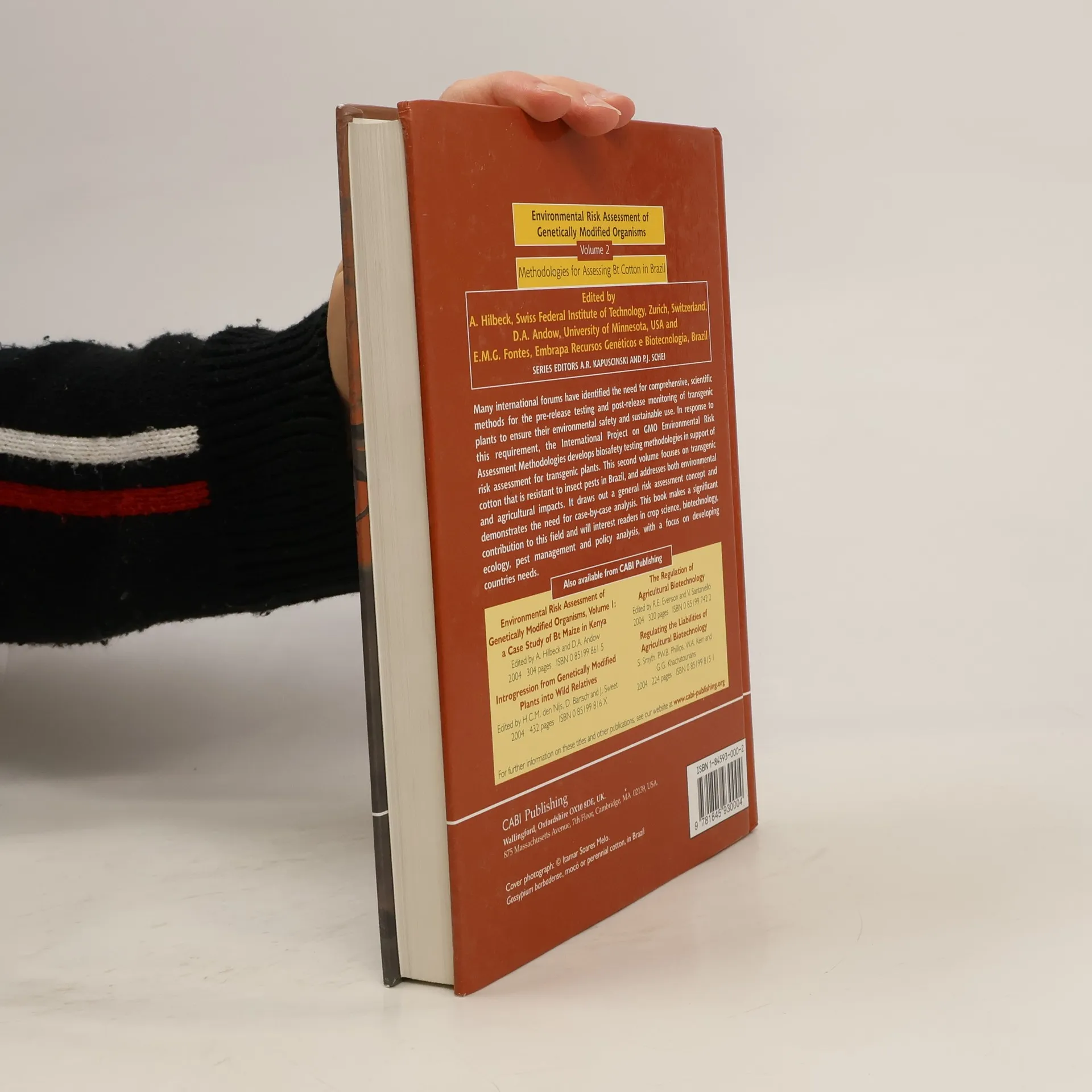
Many international forums have identified the need for comprehensive, scientific methods for the pre-release testing and post-release monitoring of transgenic plants to ensure their environmental safety and sustainable use. In response to this requirement, a GMO Guidelines Project was established under the aegis of the International Organization for Biological Control, to develop biosafety testing guidelines for transgenic plants. This second volume focuses on transgenic cotton in Brazil and addresses both environmental and agricultural impacts. It draws out some general risk assessment guidelines and demonstrates the need for case-by-case analysis.
Acquisto del libro
Environmental Risk Assessment of Genetically Modified Organisms, A. R. Kapuscinski, Angelika Hilbeck, P. J. Schei, David Alan Andow, Eliana M. G. Fontes, D. M. F. Capalbo
- Lingua

- Pubblicato
- 2004
- Rilegatura
- (Copertina rigida)
Metodi di pagamento
Ancora nessuna valutazione.
- Titolo
- Environmental Risk Assessment of Genetically Modified Organisms
- Sottotitolo
- Methodologies for Assessing Bt Cotton in Brazil
- Lingua
- Inglese
- Autori
- A. R. Kapuscinski, Angelika Hilbeck, P. J. Schei, David Alan Andow, Eliana M. G. Fontes, D. M. F. Capalbo
- Editore
- CABI
- Pubblicato
- 2004
- Formato
- Copertina rigida
- Pagine
- 400
- ISBN10
- 1845930002
- ISBN13
- 9781845930004
- Serie
- Categoria
- Tag
- Scienze Naturali, Scienza, Piante, Tecnologia, Opere Complete, Zoologia, Genetica, Entomologia, Ingegneria Genetica, Malattie delle Piante, Mais
- Descrizione
- Many international forums have identified the need for comprehensive, scientific methods for the pre-release testing and post-release monitoring of transgenic plants to ensure their environmental safety and sustainable use. In response to this requirement, a GMO Guidelines Project was established under the aegis of the International Organization for Biological Control, to develop biosafety testing guidelines for transgenic plants. This second volume focuses on transgenic cotton in Brazil and addresses both environmental and agricultural impacts. It draws out some general risk assessment guidelines and demonstrates the need for case-by-case analysis.