

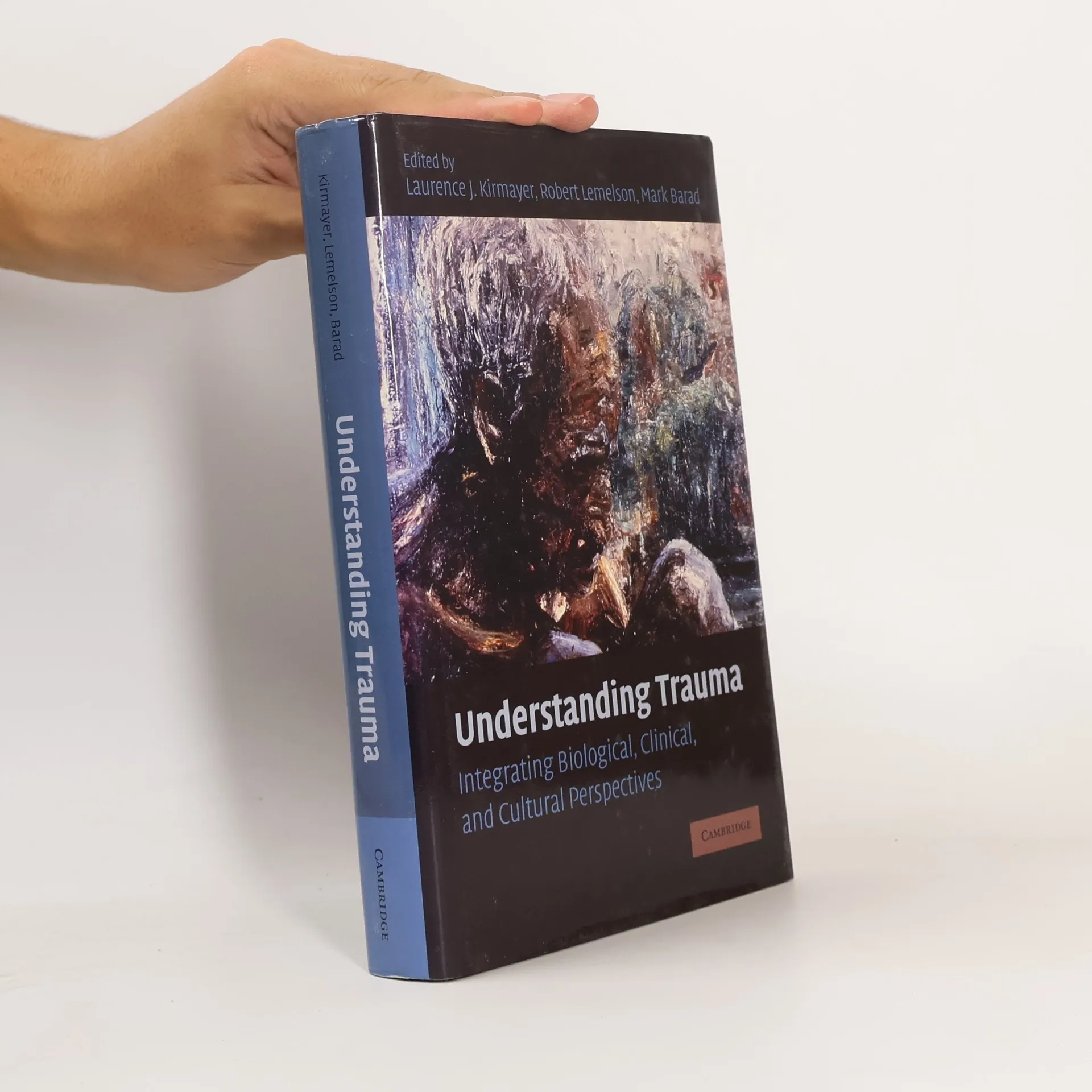

Understanding Trauma
Integrating Biological, Clinical, and Cultural Perspectives
Valutazione del libro
Maggiori informazioni sul libro
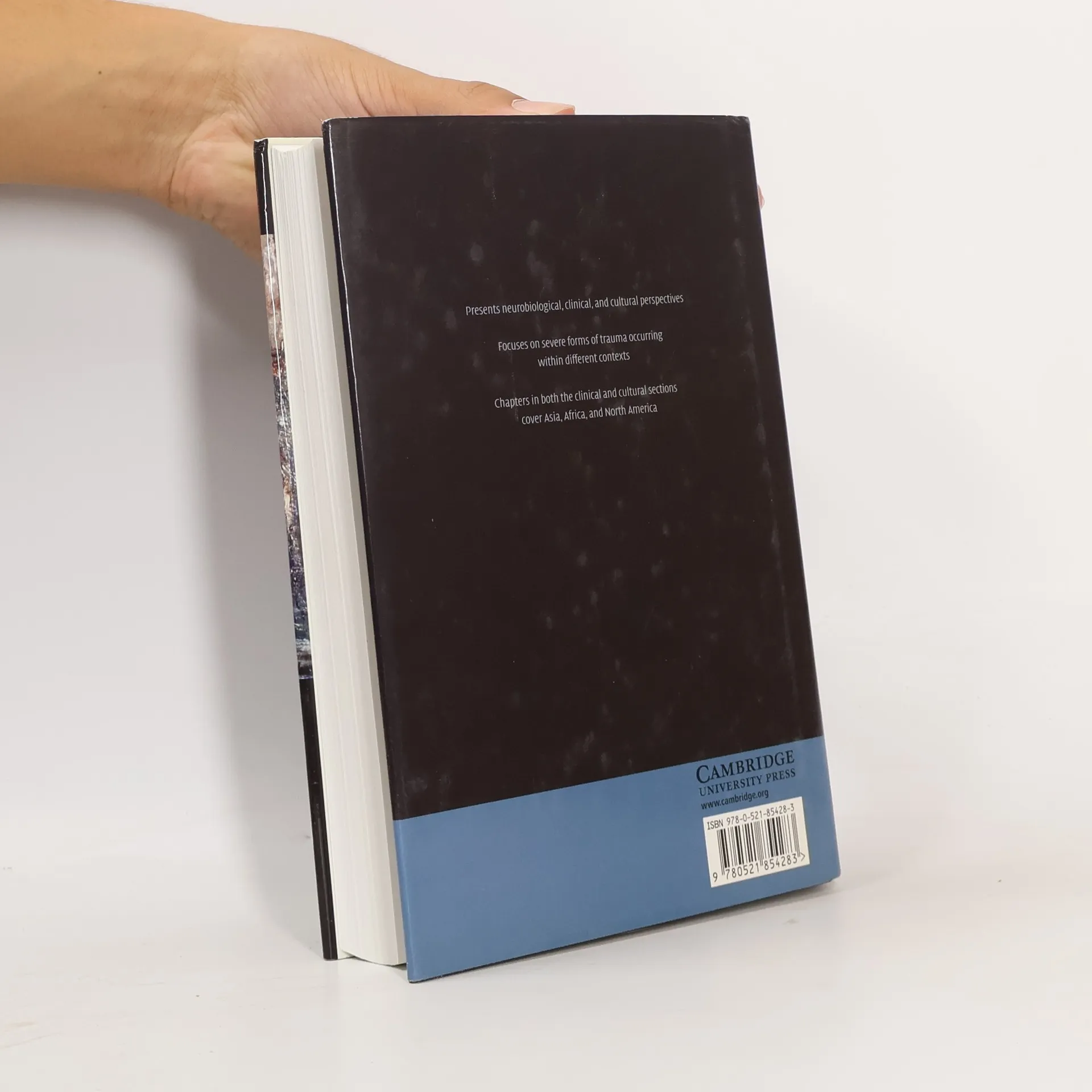
This book analyzes the individual and collective experience of and response to trauma from a wide range of perspectives including basic neuroscience, clinical science, and cultural anthropology. Each perspective presents critical and creative challenges to the other. The first section reviews the effects of early life stress on the development of neural systems and vulnerability to persistent effects of trauma. The second section of the book reviews a wide range of clinical approaches to the treatment of the effects of trauma. The final section of the book presents cultural analyses of personal, social, and political responses to massive trauma and genocidal events in a variety of societies.This work goes well beyond the neurobiological models of conditioned fear and clinical syndrome of post-traumatic stress disorder to examine how massive traumatic events affect the whole fabric of a society, calling forth collective responses of resilience and moral transformation.
Acquisto del libro
Understanding Trauma, Laurence J. Kirmayer, Mark Barad, Robert Lemelson
- Lingua

- Pubblicato
- 2007
- Rilegatura
- (Copertina rigida)
Metodi di pagamento
Qui potrebbe esserci la tua recensione.
- Titolo
- Understanding Trauma
- Sottotitolo
- Integrating Biological, Clinical, and Cultural Perspectives
- Lingua
- Inglese
- Editore
- Cambridge University Press
- Pubblicato
- 2007
- Formato
- Copertina rigida
- Pagine
- 548
- ISBN10
- 0521854288
- ISBN13
- 9780521854283
- Serie
- Categoria
- Tag
- Temi psicologici, Medicina, Psichiatria, Neuroscienze, Psicologia sociale, Psicologia Clinica, Aspetti sociali
- Valutazione
- 4,85 su 5
- Descrizione
- This book analyzes the individual and collective experience of and response to trauma from a wide range of perspectives including basic neuroscience, clinical science, and cultural anthropology. Each perspective presents critical and creative challenges to the other. The first section reviews the effects of early life stress on the development of neural systems and vulnerability to persistent effects of trauma. The second section of the book reviews a wide range of clinical approaches to the treatment of the effects of trauma. The final section of the book presents cultural analyses of personal, social, and political responses to massive trauma and genocidal events in a variety of societies.This work goes well beyond the neurobiological models of conditioned fear and clinical syndrome of post-traumatic stress disorder to examine how massive traumatic events affect the whole fabric of a society, calling forth collective responses of resilience and moral transformation.