

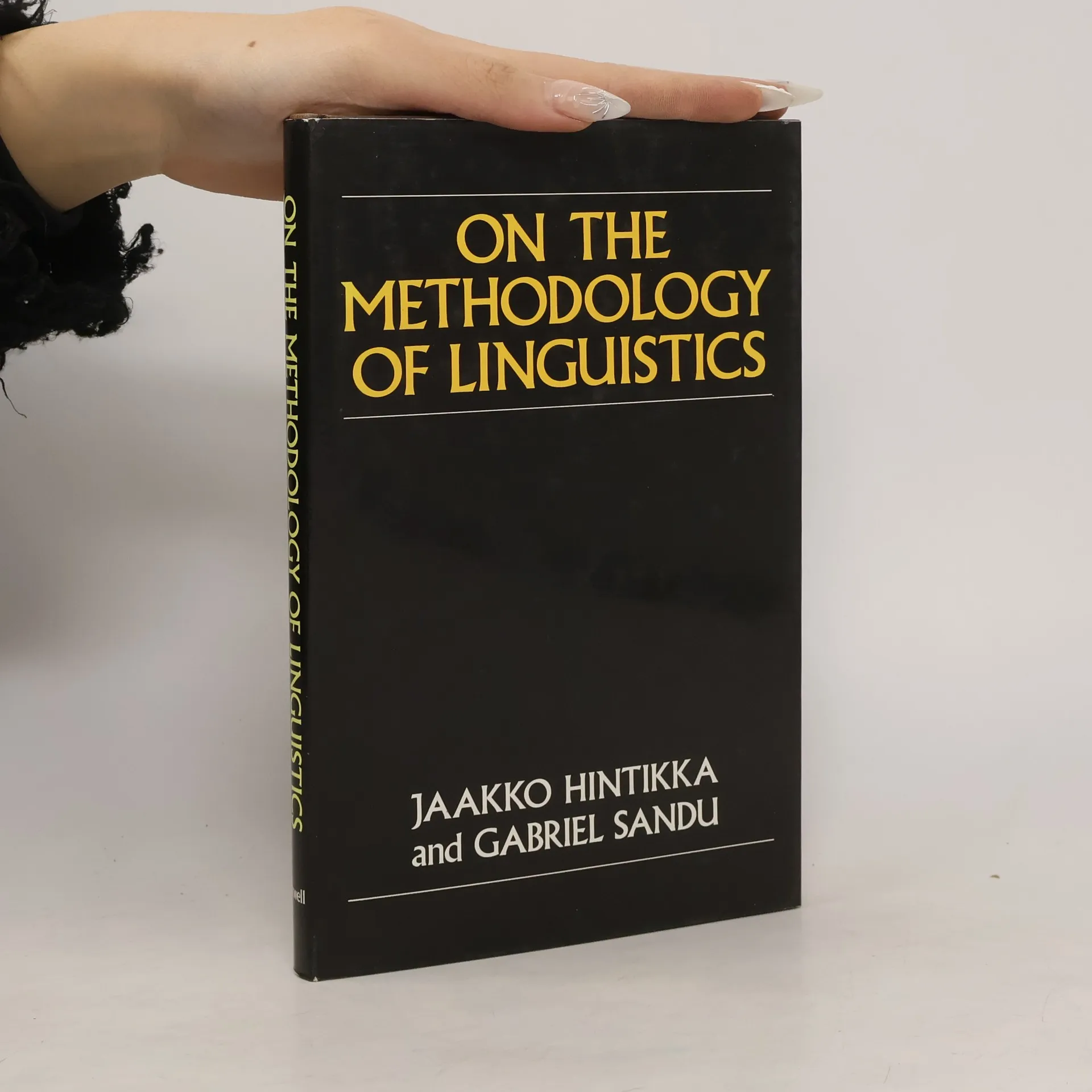
On the Methodology of Linguistics
A Case Study
Parametri
- 256pagine
- 9 ore di lettura
Maggiori informazioni sul libro
In this book the authors propose to apply ideas from recent philosophy of science, especially Hintikka's "interrogative model of inquiry", to linguistic theorizing. Using the phenomena of co-reference as a testing ground, they examine how Hintikka's game-theoretical semantics (GTS) and Chomsky's government and binding theory (GB) account for the co-reference relations that hold in simple sample sentences. This produces interesting areas of divergence between the two theories. The general conclusion to emerge from this comparison is the difficulty of dealing with co-reference phenomena in any syntax-oriented theory. By systematically varying certain instructive examples, the authors uncover telling evidence against any syntax-based account of co-reference phenomena in English. In the concluding chapter of the book, evidence is similarly produced against any syntactical explanation of reflexivization in English. In each of the cases analyzed GTS readily accounts for the phenomena discussed.
Acquisto del libro
On the Methodology of Linguistics, Jaakko Hintikka, Gabriel Sandu
- Lingua

- Pubblicato
- 1991
- Rilegatura
- (Copertina rigida)
Metodi di pagamento
Ancora nessuna valutazione.
- Titolo
- On the Methodology of Linguistics
- Sottotitolo
- A Case Study
- Lingua
- Inglese
- Autori
- Jaakko Hintikka, Gabriel Sandu
- Editore
- Blackwell
- Pubblicato
- 1991
- Formato
- Copertina rigida
- Pagine
- 256
- ISBN10
- 0631177175
- ISBN13
- 9780631177173
- Serie
- Categoria
- Tag
- Tematica filosofica, Linguistica, Critica letteraria, Intelligenza artificiale, Metodologie, Filosofia del linguaggio, Sintassi, composizione, ordine delle parole
- Descrizione
- In this book the authors propose to apply ideas from recent philosophy of science, especially Hintikka's "interrogative model of inquiry", to linguistic theorizing. Using the phenomena of co-reference as a testing ground, they examine how Hintikka's game-theoretical semantics (GTS) and Chomsky's government and binding theory (GB) account for the co-reference relations that hold in simple sample sentences. This produces interesting areas of divergence between the two theories. The general conclusion to emerge from this comparison is the difficulty of dealing with co-reference phenomena in any syntax-oriented theory. By systematically varying certain instructive examples, the authors uncover telling evidence against any syntax-based account of co-reference phenomena in English. In the concluding chapter of the book, evidence is similarly produced against any syntactical explanation of reflexivization in English. In each of the cases analyzed GTS readily accounts for the phenomena discussed.