

Parametri
- 308pagine
- 11 ore di lettura
Maggiori informazioni sul libro
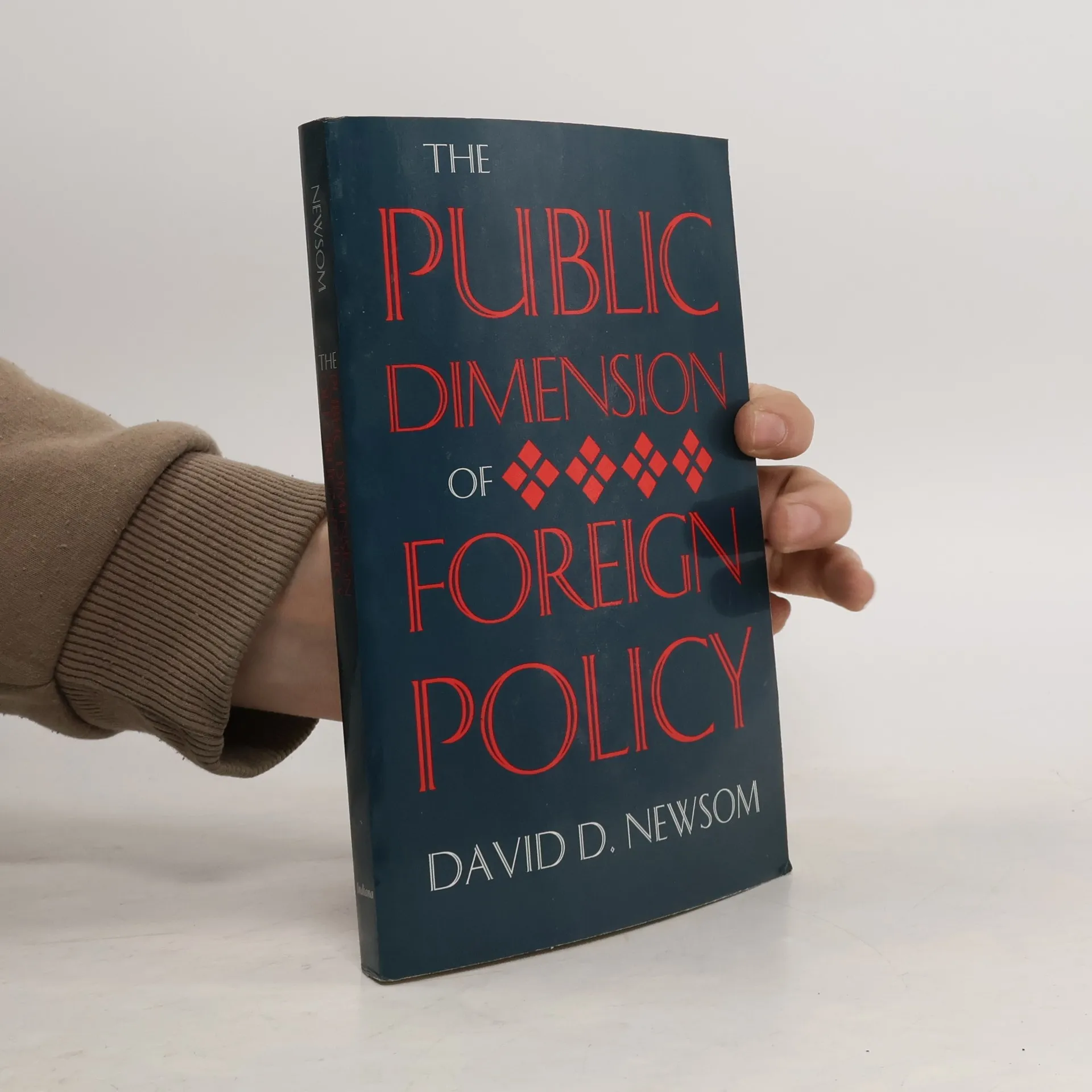
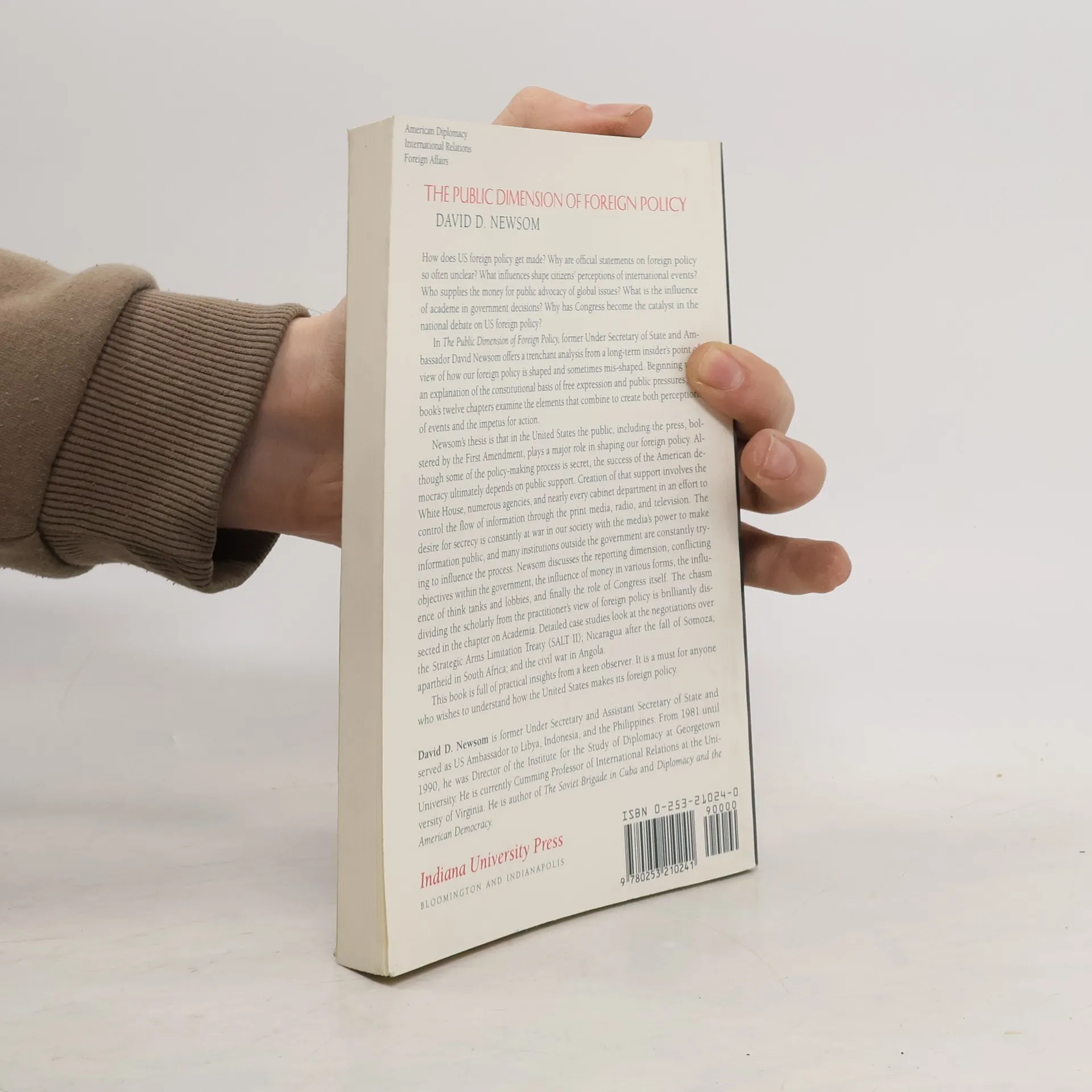
This work provides a quiet yet expert assessment of the interplay between foreign policy and the American public. It is deemed essential reading for students and practitioners in government, journalism, academia, and politics. Whether you are involved in foreign policy or simply interested, this volume serves as a comprehensive guide, blending insider and outsider perspectives. David Newsom, drawing from his extensive experience as a diplomat and scholar, presents a thorough yet engaging examination of the various public and political factors influencing U.S. foreign policy. He references specific events from Angola to Yugoslavia to illustrate the external pressures affecting contemporary diplomacy. Newsom's insights are invaluable for understanding how U.S. foreign policy is crafted and occasionally misdirected. This book is an indispensable resource for anyone seeking to grasp the complexities of how the United States formulates its foreign policy.
Acquisto del libro
The Public Dimension of Foreign Policy, David D. Newsom
- Lingua

- Pubblicato
- 1996
- Rilegatura
- (In brossura)
Metodi di pagamento
Qui potrebbe esserci la tua recensione.
- Titolo
- The Public Dimension of Foreign Policy
- Lingua
- Inglese
- Autori
- David D. Newsom
- Editore
- Indiana University Press
- Pubblicato
- 1996
- Formato
- In brossura
- Pagine
- 308
- ISBN10
- 0253210240
- ISBN13
- 9780253210241
- Serie
- Valutazione
- 3,5 su 5
- Descrizione
- This work provides a quiet yet expert assessment of the interplay between foreign policy and the American public. It is deemed essential reading for students and practitioners in government, journalism, academia, and politics. Whether you are involved in foreign policy or simply interested, this volume serves as a comprehensive guide, blending insider and outsider perspectives. David Newsom, drawing from his extensive experience as a diplomat and scholar, presents a thorough yet engaging examination of the various public and political factors influencing U.S. foreign policy. He references specific events from Angola to Yugoslavia to illustrate the external pressures affecting contemporary diplomacy. Newsom's insights are invaluable for understanding how U.S. foreign policy is crafted and occasionally misdirected. This book is an indispensable resource for anyone seeking to grasp the complexities of how the United States formulates its foreign policy.