



Parametri
- 186pagine
- 7 ore di lettura
Maggiori informazioni sul libro
Statistics reveal that approximately 85.4% of the world's population follows a religion. Since the 1990s, the study of religion has become increasingly integrated into the foreign policy and diplomatic training of various states. Recently, interreligious dialogue has emerged as a key tool for fostering respect among diverse religious and non-religious perspectives, aiming to mitigate the polarization often associated with societal attitudes toward religious diversity. This book explores interreligious dialogue as a means of contributing to peacebuilding. It emphasizes the importance of recognizing and protecting the core aspects of religious experience to establish a genuine culture of encounter. This publication is a collaborative effort between university scholars and international experts, developed within the research group "Interreligious Dialogue & Peacebuilding" led by the Institute of European Studies and Human Rights at the Pontifical University of Salamanca.
Acquisto del libro
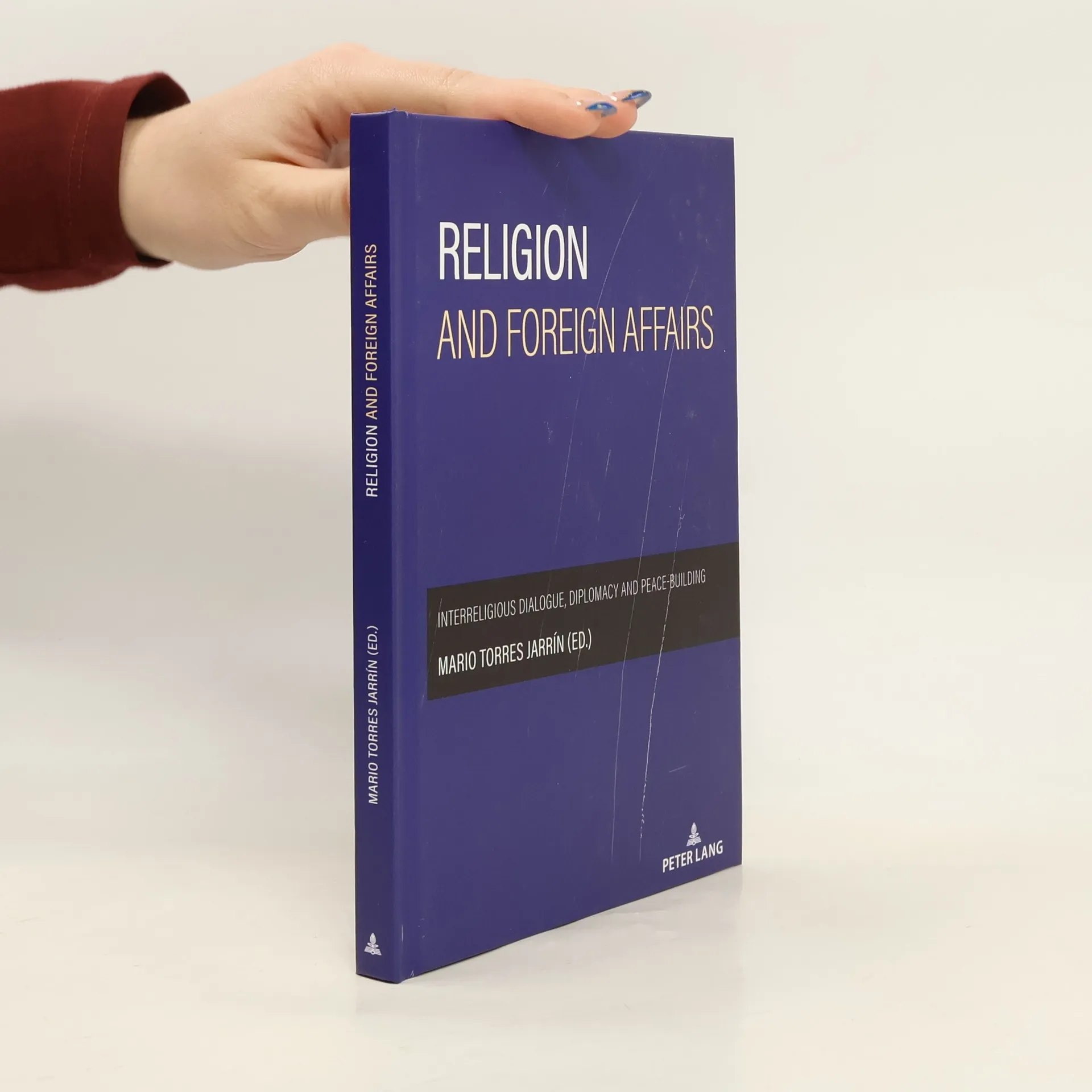
Religion and Foreign Affairs, Mario Torres Jarrín, Johanna Lüder
- Lingua

- Pubblicato
- 2024
- Rilegatura
- (Copertina rigida)
Metodi di pagamento
Ancora nessuna valutazione.
- Titolo
- Religion and Foreign Affairs
- Sottotitolo
- Interreligious Dialogue, Diplomacy and Peace-Building
- Lingua
- Inglese
- Autori
- Mario Torres Jarrín, Johanna Lüder
- Editore
- Peter Lang
- Pubblicato
- 2024
- Formato
- Copertina rigida
- Pagine
- 186
- ISBN10
- 3631927630
- ISBN13
- 9783631927632
- Serie
- Tag
- Temi religiosi, Tematica filosofica, Tematica giuridica, Politica, Teorie Politiche, Etica, Filosofia e religione, Pace, Teologia cristiana, Diplomazia, Dialogo, Relazioni interconfessionali
- Descrizione
- Statistics reveal that approximately 85.4% of the world's population follows a religion. Since the 1990s, the study of religion has become increasingly integrated into the foreign policy and diplomatic training of various states. Recently, interreligious dialogue has emerged as a key tool for fostering respect among diverse religious and non-religious perspectives, aiming to mitigate the polarization often associated with societal attitudes toward religious diversity. This book explores interreligious dialogue as a means of contributing to peacebuilding. It emphasizes the importance of recognizing and protecting the core aspects of religious experience to establish a genuine culture of encounter. This publication is a collaborative effort between university scholars and international experts, developed within the research group "Interreligious Dialogue & Peacebuilding" led by the Institute of European Studies and Human Rights at the Pontifical University of Salamanca.