



Maggiori informazioni sul libro
Data collection in the field, whether by interviewing or other methods, can be carried out in a structured, systematic and scientific way. This volume compels field researchers to take very seriously not only what they hear, but what they ask. Ethnographers have often discovered too late that the value of their interview information is discounted as a consequence of poor sampling (of both questions and informants) and poor elicitation techniques. The authors focus on the importance of establishing the right questions to ask through the use of free listing techniques; then they describe in practical terms the administration of an impressive array of alternative kinds of informant task. They conclude with a discussion of reliability and validity of various methods which can be used to generate more systematic, culturally meaningful data.
Acquisto del libro
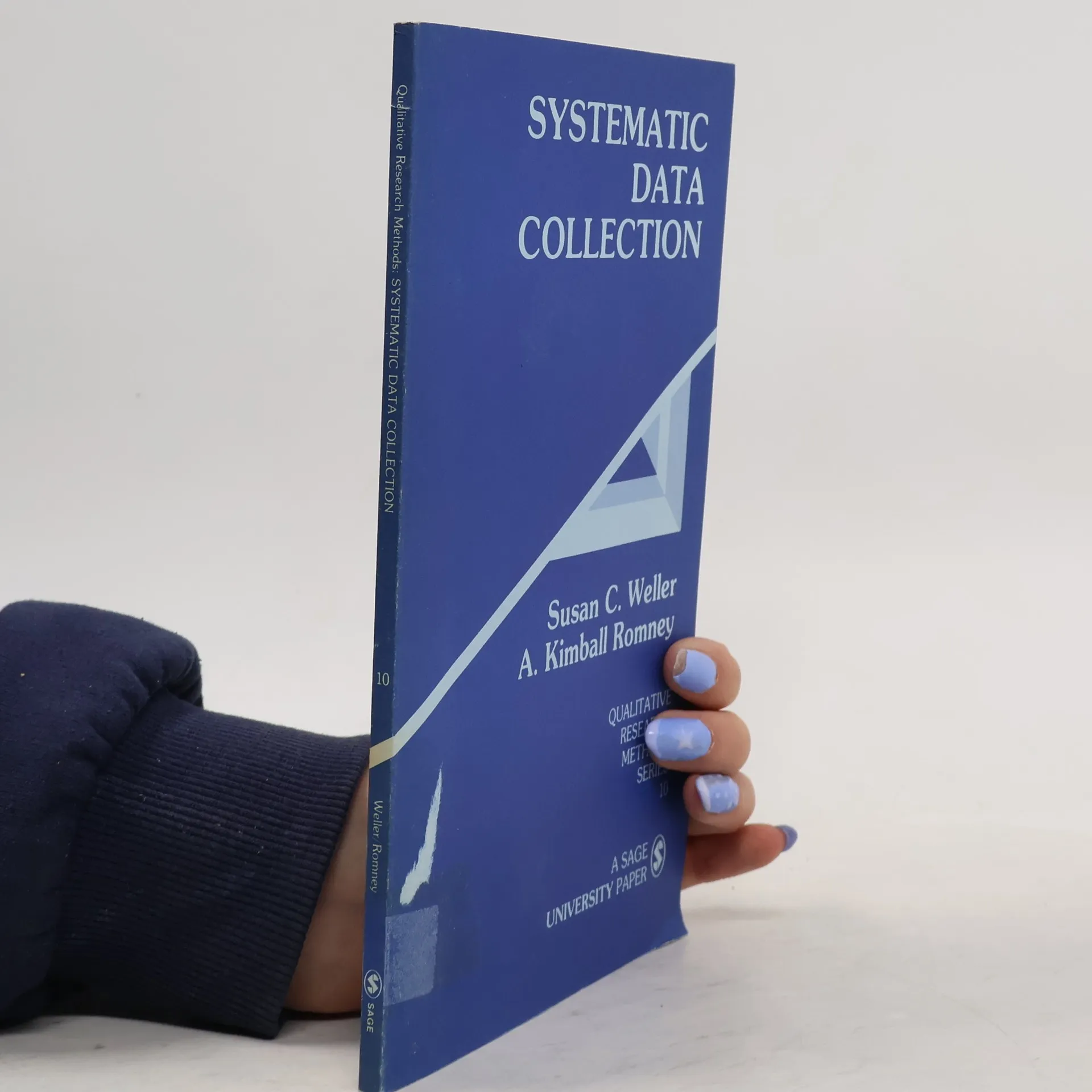
Qualitative Research Methods Series - 10: Systematic Data Collection, Susan C. Weller, A. Kimball Romney
- Lingua

- Pubblicato
- 1988
- Rilegatura
- (Copertina rigida)
Metodi di pagamento
Ancora nessuna valutazione.
- Titolo
- Qualitative Research Methods Series - 10: Systematic Data Collection
- Lingua
- Inglese
- Autori
- Susan C. Weller, A. Kimball Romney
- Editore
- SAGE Publications, Inc
- Pubblicato
- 1988
- Formato
- Copertina rigida
- Pagine
- 96
- ISBN10
- 0803930739
- ISBN13
- 9780803930735
- Serie
- Categoria
- Tag
- Manuali e guide, USA, Ricerca
- Descrizione
- Data collection in the field, whether by interviewing or other methods, can be carried out in a structured, systematic and scientific way. This volume compels field researchers to take very seriously not only what they hear, but what they ask. Ethnographers have often discovered too late that the value of their interview information is discounted as a consequence of poor sampling (of both questions and informants) and poor elicitation techniques. The authors focus on the importance of establishing the right questions to ask through the use of free listing techniques; then they describe in practical terms the administration of an impressive array of alternative kinds of informant task. They conclude with a discussion of reliability and validity of various methods which can be used to generate more systematic, culturally meaningful data.