

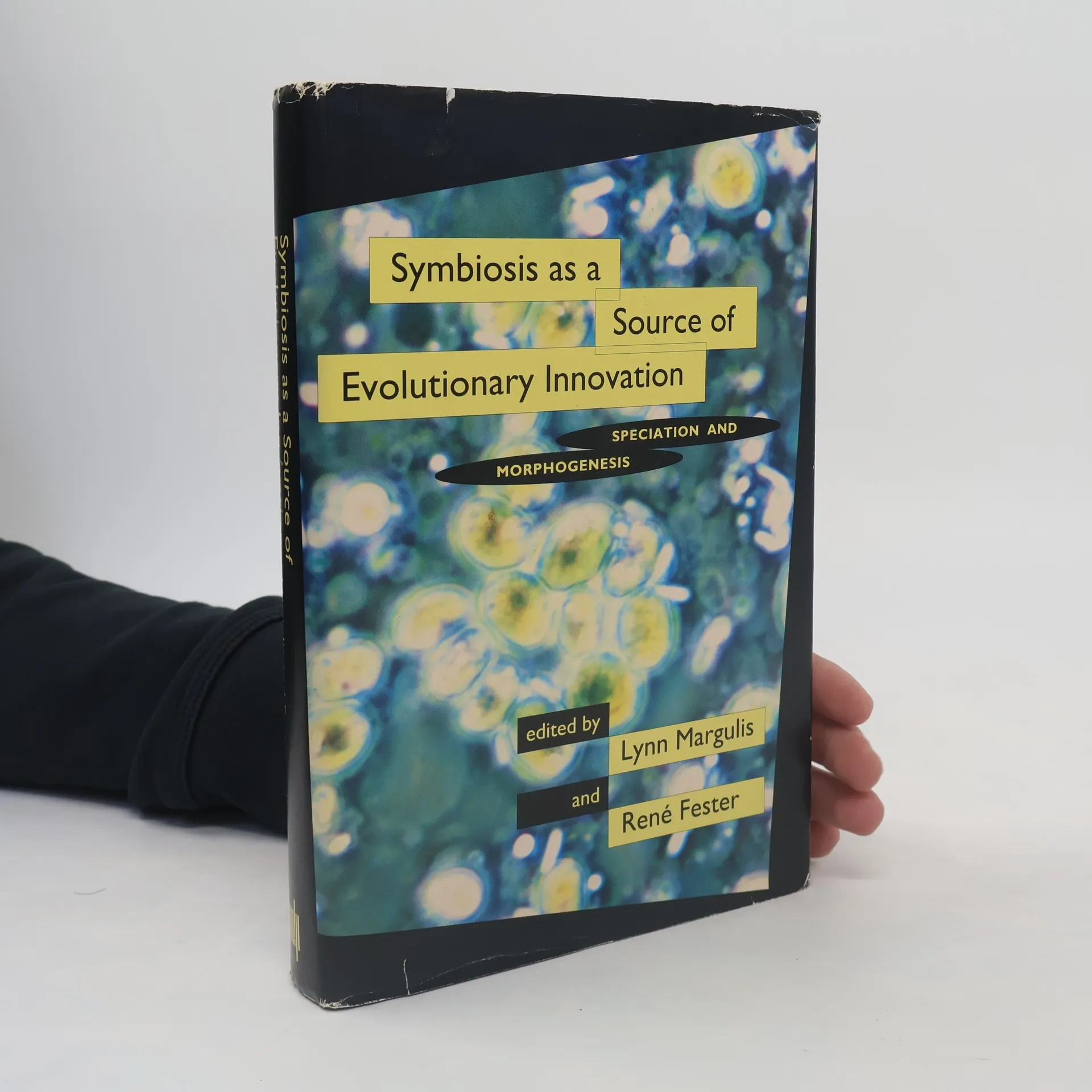
Symbiosis as a Source of Evolutionary Innovation
Speciation and Morphogenesis
Valutazione del libro
Maggiori informazioni sul libro
This collection features original contributions from symbiosis biologists and evolutionary theorists who challenge the adequacy of the neo-Darwinian concept of evolution. They present growing evidence that hereditary symbiosis, alongside gradual heritable mutations, plays a crucial role in the emergence of new species and morphological innovations. The concept of symbiosis, particularly the genetic and metabolic interactions of bacterial communities that evolved into the earliest eukaryotes, has garnered increasing interest among scientists. The contributions explore various topics, including the evolutionary implications of symbiosis, the prolonged physical associations between different species, and the significance of symbiosis in cell evolution, ecology, and morphogenesis. Key issues discussed include individuality, microbial symbioses, and animal-bacterial interactions. Lynn Margulis, a distinguished professor at the University of Massachusetts at Amherst, is recognized as the modern originator of the symbiotic theory of cell evolution, which has transitioned from being viewed as heretical to becoming integral to the microbiological revolution. The volume includes insights from notable contributors in the field, reflecting a shift in understanding evolution through the lens of symbiotic relationships.
Acquisto del libro
Symbiosis as a Source of Evolutionary Innovation, Lynn Margulis, René Fester Kratz
- Lingua

- Pubblicato
- 1991
- Rilegatura
- (Copertina rigida)
Metodi di pagamento
Qui potrebbe esserci la tua recensione.
- Titolo
- Symbiosis as a Source of Evolutionary Innovation
- Sottotitolo
- Speciation and Morphogenesis
- Lingua
- Inglese
- Autori
- Lynn Margulis, René Fester Kratz
- Editore
- MIT Press
- Pubblicato
- 1991
- Formato
- Copertina rigida
- Pagine
- 470
- ISBN10
- 0262132699
- ISBN13
- 9780262132695
- Serie
- Tag
- Scienze Naturali, Scienza, USA, Evoluzione, Biologia evolutiva, Citolologia, Origine della vita, Simbiotica
- Valutazione
- 4,5 su 5
- Descrizione
- This collection features original contributions from symbiosis biologists and evolutionary theorists who challenge the adequacy of the neo-Darwinian concept of evolution. They present growing evidence that hereditary symbiosis, alongside gradual heritable mutations, plays a crucial role in the emergence of new species and morphological innovations. The concept of symbiosis, particularly the genetic and metabolic interactions of bacterial communities that evolved into the earliest eukaryotes, has garnered increasing interest among scientists. The contributions explore various topics, including the evolutionary implications of symbiosis, the prolonged physical associations between different species, and the significance of symbiosis in cell evolution, ecology, and morphogenesis. Key issues discussed include individuality, microbial symbioses, and animal-bacterial interactions. Lynn Margulis, a distinguished professor at the University of Massachusetts at Amherst, is recognized as the modern originator of the symbiotic theory of cell evolution, which has transitioned from being viewed as heretical to becoming integral to the microbiological revolution. The volume includes insights from notable contributors in the field, reflecting a shift in understanding evolution through the lens of symbiotic relationships.