

Maggiori informazioni sul libro
This study develops our understanding of medieval society through an examination of its charitable activities. In a detailed study of the forms in which relief was organised in medieval Cambridge and Cambridgeshire, the book unravels the economic and demographic factors which created the need for relief as well as the forms in which the community offered it. With continual reference to the religious teachings of priests and friars and the changing ideas of lay piety, Dr Rubin relates the changing forms of charitable giving to the shift in attitudes towards community and social order, towards relations between laity and clergy, and towards the poor. A local study is thus set in a wide comparative context, drawing together contributions in the fields of social, religious, economic and urban history.
Acquisto del libro
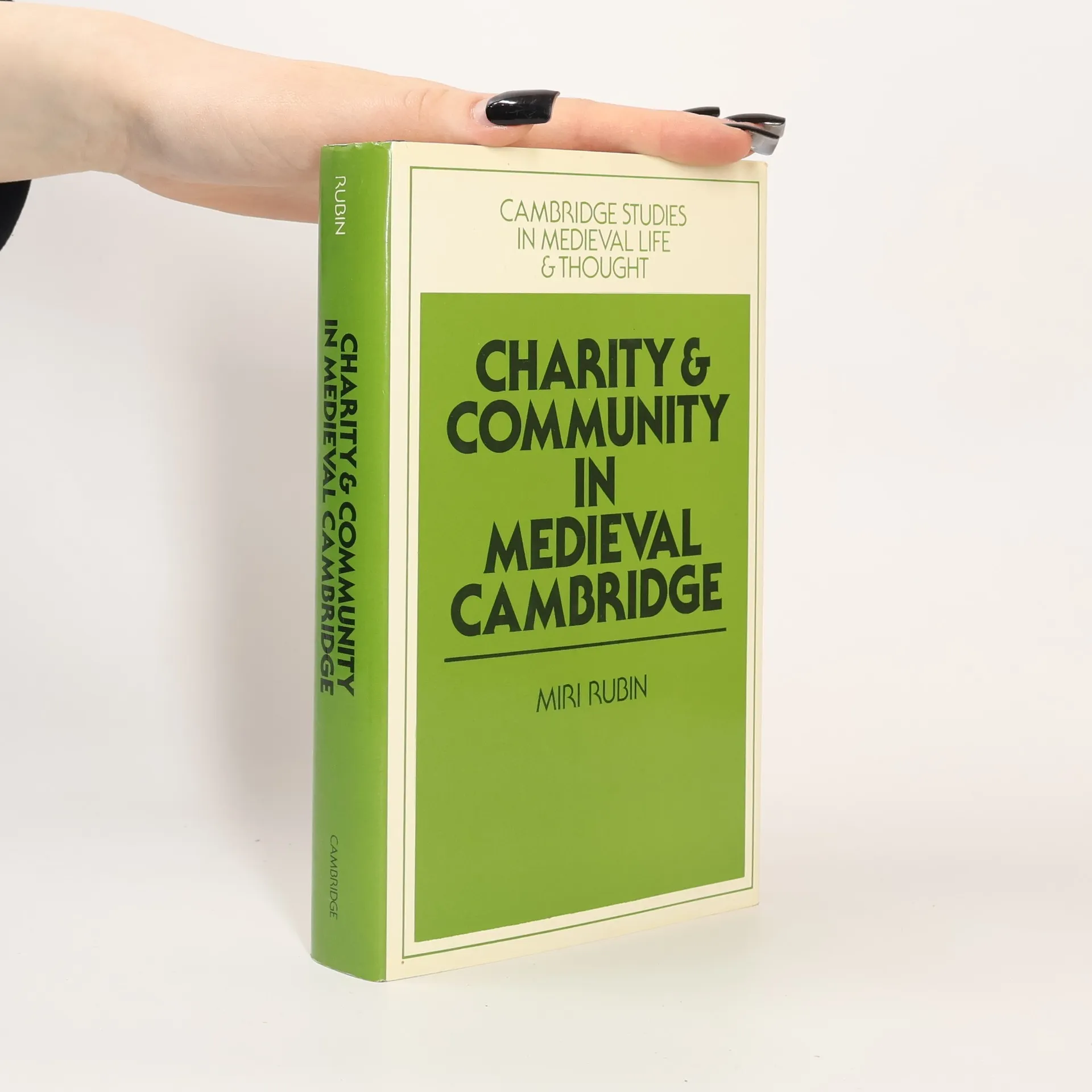
Cambridge Studies in Medieval Life and Thought Fourth Series: Charity and Community in Medieval Cambridge, Miri Rubin
- Lingua

- Pubblicato
- 1987
- Rilegatura
- (Copertina rigida)
Metodi di pagamento
Ancora nessuna valutazione.
- Titolo
- Cambridge Studies in Medieval Life and Thought Fourth Series: Charity and Community in Medieval Cambridge
- Lingua
- Inglese
- Autori
- Miri Rubin
- Editore
- Cambridge University Press
- Pubblicato
- 1987
- Formato
- Copertina rigida
- Pagine
- 379
- ISBN10
- 0521323924
- ISBN13
- 9780521323925
- Serie
- Descrizione
- This study develops our understanding of medieval society through an examination of its charitable activities. In a detailed study of the forms in which relief was organised in medieval Cambridge and Cambridgeshire, the book unravels the economic and demographic factors which created the need for relief as well as the forms in which the community offered it. With continual reference to the religious teachings of priests and friars and the changing ideas of lay piety, Dr Rubin relates the changing forms of charitable giving to the shift in attitudes towards community and social order, towards relations between laity and clergy, and towards the poor. A local study is thus set in a wide comparative context, drawing together contributions in the fields of social, religious, economic and urban history.