

Parametri
- 256pagine
- 9 ore di lettura
Maggiori informazioni sul libro
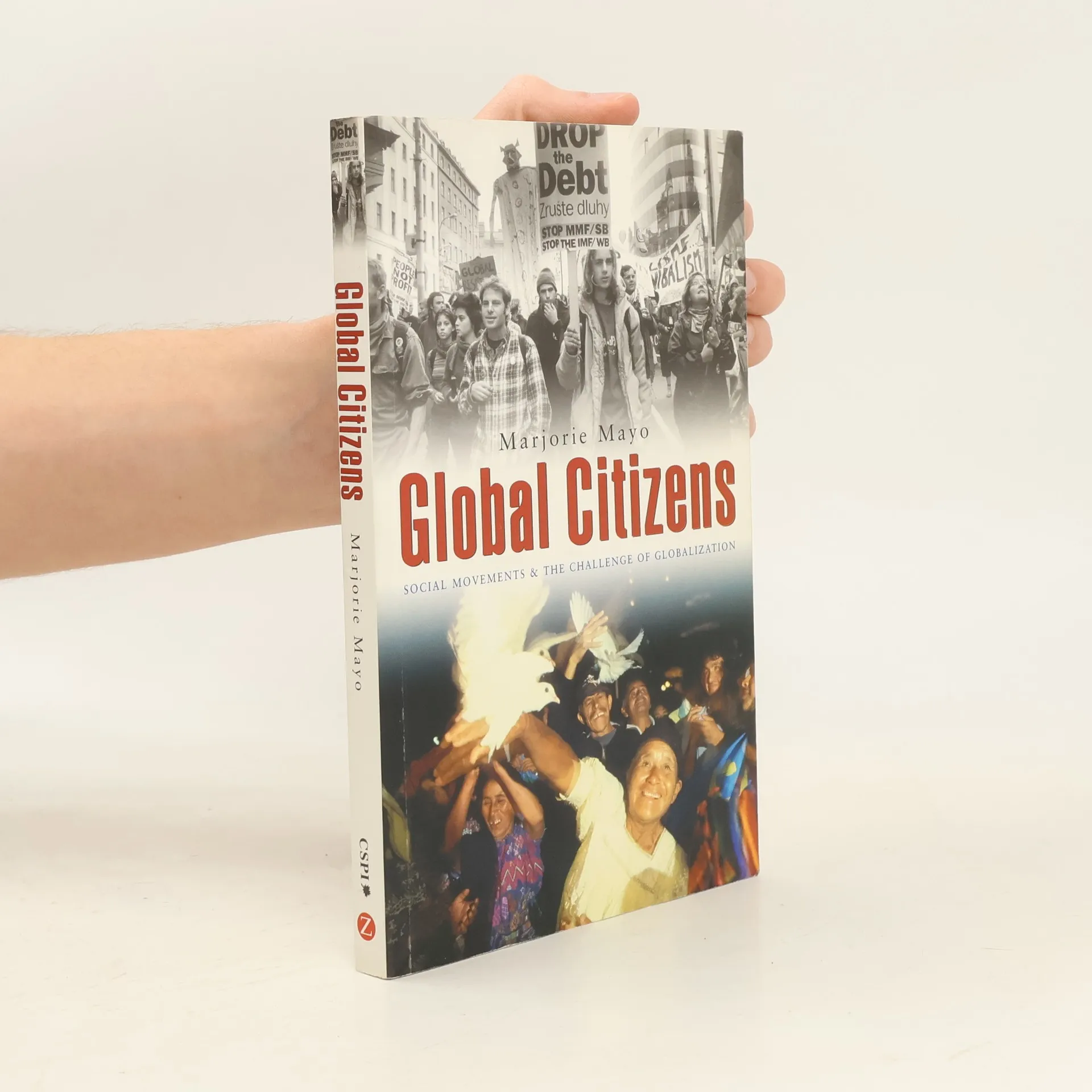
The dawn of the twenty first century has been accompanied by an upsurge of anti-capitalist campaigning, challenging the very basis of the New World Economic order. This book sets out to explore the lessons from these experiences of social mobilization. How can non-governmental organizations, community based organizations and the labor and trade union movement develop effective campaigning alliances--without becoming institutionalized and incorporated themselves? How can they balance immediate gains and longer term strategies for transformation? How can they gain media attention without losing control of the message? And how can social movements develop organizational forms that are genuinely representative and democratically accountable, globally? Mayo explores these questions through case studies, and concludes with lessons for building global challenges to neo-liberal agendas and developing more transformative approaches.
Acquisto del libro
Global Citizens, Marjorie Mayo
- Lingua

- Pubblicato
- 2005
- Rilegatura
- (In brossura)
Metodi di pagamento
Qui potrebbe esserci la tua recensione.
- Titolo
- Global Citizens
- Sottotitolo
- Social Movements and the Challenge of Globalization
- Lingua
- Inglese
- Autori
- Marjorie Mayo
- Editore
- Zed Books
- Pubblicato
- 2005
- Formato
- In brossura
- Pagine
- 256
- ISBN10
- 1842771396
- ISBN13
- 9781842771396
- Serie
- Valutazione
- 4 su 5
- Descrizione
- The dawn of the twenty first century has been accompanied by an upsurge of anti-capitalist campaigning, challenging the very basis of the New World Economic order. This book sets out to explore the lessons from these experiences of social mobilization. How can non-governmental organizations, community based organizations and the labor and trade union movement develop effective campaigning alliances--without becoming institutionalized and incorporated themselves? How can they balance immediate gains and longer term strategies for transformation? How can they gain media attention without losing control of the message? And how can social movements develop organizational forms that are genuinely representative and democratically accountable, globally? Mayo explores these questions through case studies, and concludes with lessons for building global challenges to neo-liberal agendas and developing more transformative approaches.