



Maggiori informazioni sul libro
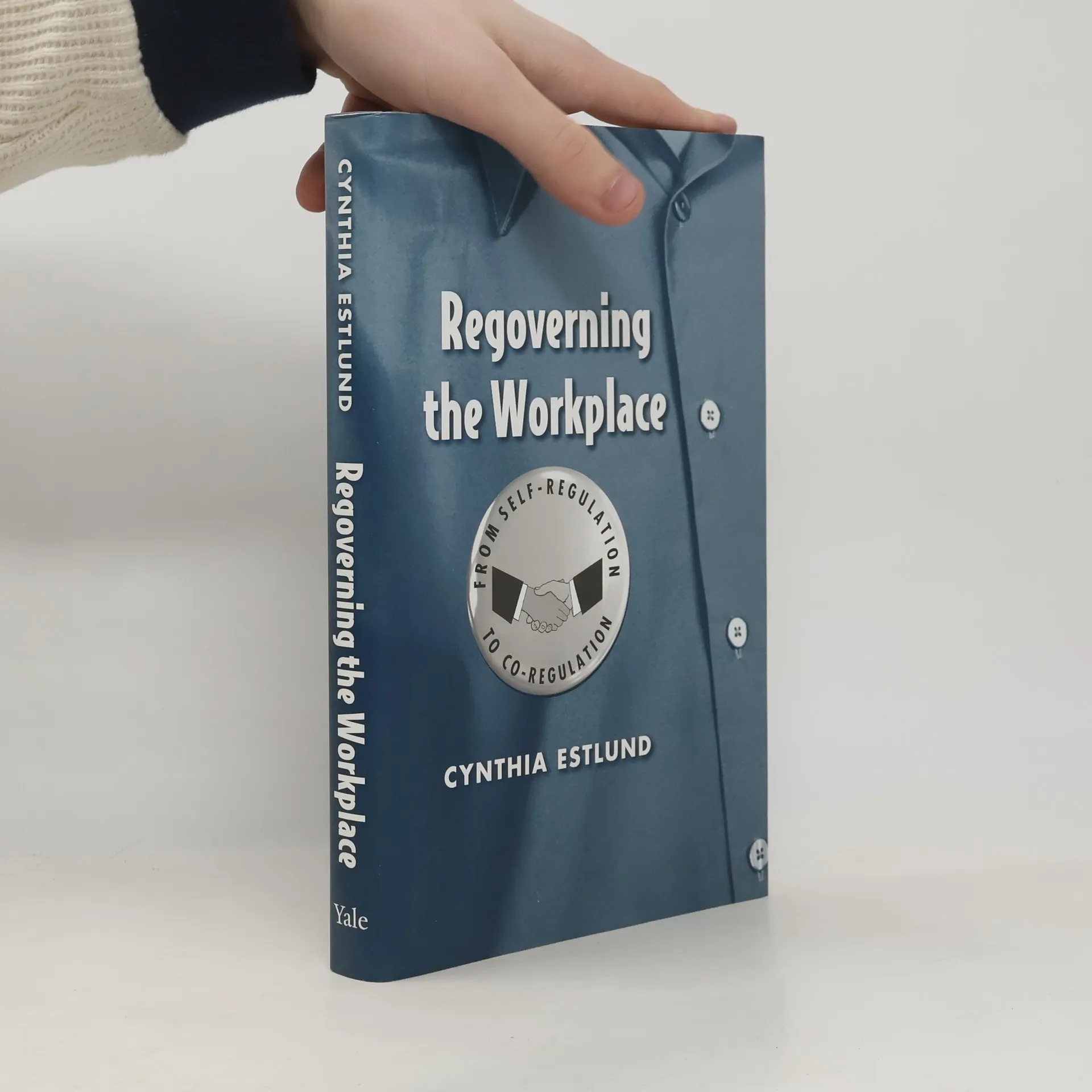
This original book seeks to shape current trends toward employer self-regulation into a new paradigm of workplace governance in which workers participate. The decline of collective bargaining and the parallel rise of employment law have left workers with an abundance of legal rights but no representation at work. Without representation, even workers’ legal rights are often under-enforced. At the same time, however, many legal and social forces have pushed firms to self-regulate―to take on the task of realizing public norms through internal compliance structures. Cynthia Estlund argues that the trend toward self-regulation is here to stay, and that worker-friendly reformers should seek not to stop that trend but to steer it by securing for workers an effective voice within self-regulatory processes. If the law can be retooled to encourage forms of self-regulation in which workers participate, it can help both to promote public values and to revive workplace self-governance.
Acquisto del libro
Regoverning the Workplace, Cynthia Estlund
- Lingua

- Pubblicato
- 2010
- Rilegatura
- (Copertina rigida)
Metodi di pagamento
Ancora nessuna valutazione.
- Titolo
- Regoverning the Workplace
- Sottotitolo
- From Self-Regulation to Co-Regulation
- Lingua
- Inglese
- Autori
- Cynthia Estlund
- Editore
- Yale University Press
- Pubblicato
- 2010
- Formato
- Copertina rigida
- Pagine
- 320
- ISBN10
- 0300124503
- ISBN13
- 9780300124507
- Serie
- Descrizione
- This original book seeks to shape current trends toward employer self-regulation into a new paradigm of workplace governance in which workers participate. The decline of collective bargaining and the parallel rise of employment law have left workers with an abundance of legal rights but no representation at work. Without representation, even workers’ legal rights are often under-enforced. At the same time, however, many legal and social forces have pushed firms to self-regulate―to take on the task of realizing public norms through internal compliance structures. Cynthia Estlund argues that the trend toward self-regulation is here to stay, and that worker-friendly reformers should seek not to stop that trend but to steer it by securing for workers an effective voice within self-regulatory processes. If the law can be retooled to encourage forms of self-regulation in which workers participate, it can help both to promote public values and to revive workplace self-governance.