

Esaurito
Parametri
- 456pagine
- 16 ore di lettura
Maggiori informazioni sul libro
"What Causes Genocide?" explores the psychological forces behind moral choices during atrocities like the Holocaust. Through interviews with bystanders, supporters, and rescuers, Monroe examines how identity influences our perceptions of others, shaping our responses to persecution. She introduces "moral salience" and addresses the dehumanization necessary for genocide, offering insights applicable to various forms of prejudice and violence.
Acquisto del libro
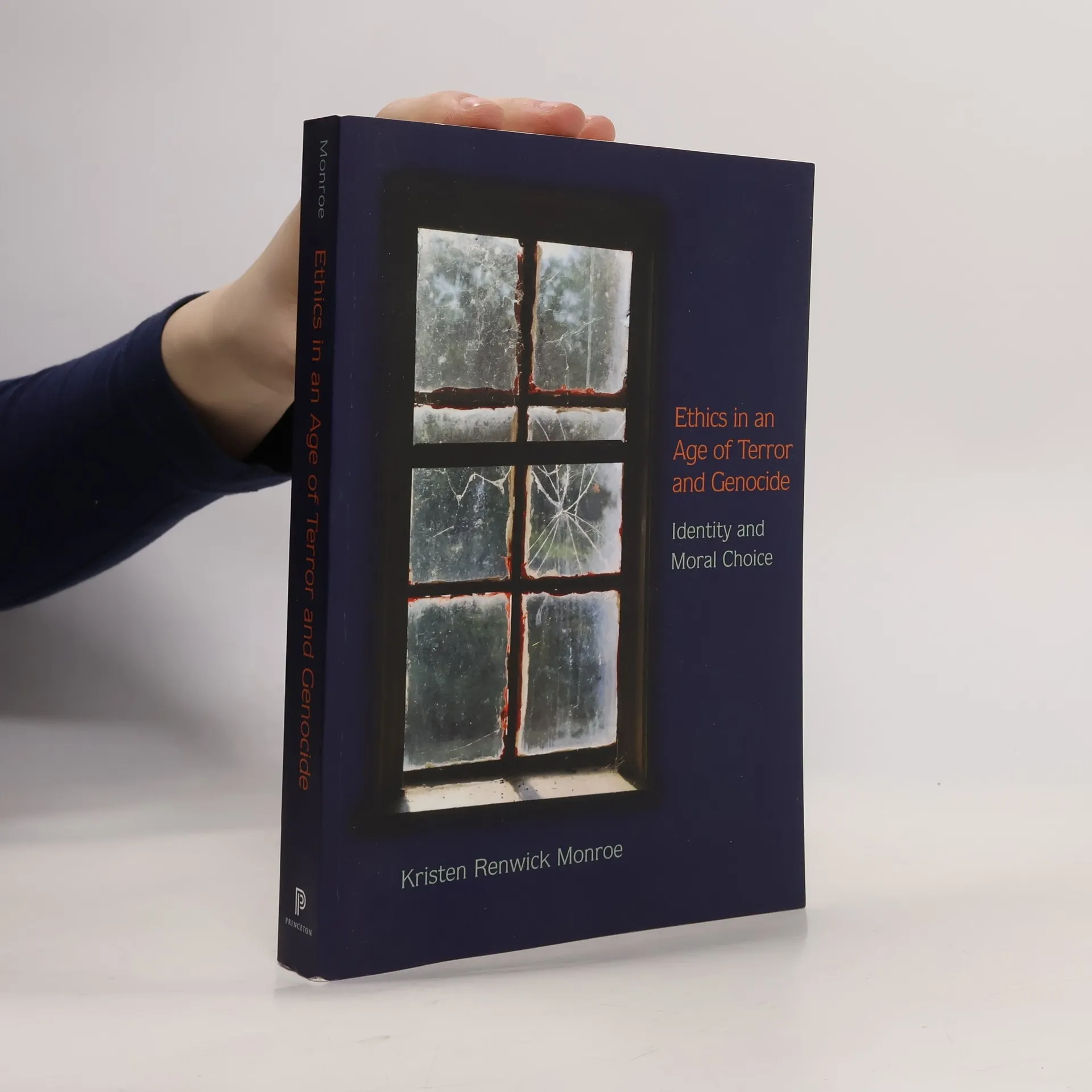
Ethics in an Age of Terror and Genocide, Kristen Renwick Monroe
- Lingua

- Pubblicato
- 2010
- Rilegatura
- (In brossura)
Ti avviseremo via email non appena lo rintracceremo.
Metodi di pagamento
Qui potrebbe esserci la tua recensione.
- Titolo
- Ethics in an Age of Terror and Genocide
- Sottotitolo
- Identity and Moral Choice
- Lingua
- Inglese
- Autori
- Kristen Renwick Monroe
- Editore
- Princeton University Press
- Pubblicato
- 2010
- Formato
- In brossura
- Pagine
- 456
- ISBN10
- 0691151431
- ISBN13
- 9780691151434
- Serie
- Categoria
- Tag
- Tema stórico, Temi psicologici, Temi religiosi, Tematica filosofica, Politica, XX Secolo, Seconda guerra mondiale, Europa, Ebrei, Teorie Politiche, Olocausto, Nazismo, Teorie Scientifiche, Razza, Razzismo, Prima guerra mondiale (1914–1918), Letteratura ebraica, Etica, Terrorismo, Odio, Diritti Umani, Adolf Hitler, Moralità, Persecuzione, Casuistiche, Comportamento, etologia, Psicologia sociale, Ideologie, Tedeschi, Genocidio, Gestapo, Ragione, Russi, Etica politica, Altruismo, Disumanizzazione
- Valutazione
- 3,65 su 5
- Descrizione
- "What Causes Genocide?" explores the psychological forces behind moral choices during atrocities like the Holocaust. Through interviews with bystanders, supporters, and rescuers, Monroe examines how identity influences our perceptions of others, shaping our responses to persecution. She introduces "moral salience" and addresses the dehumanization necessary for genocide, offering insights applicable to various forms of prejudice and violence.