

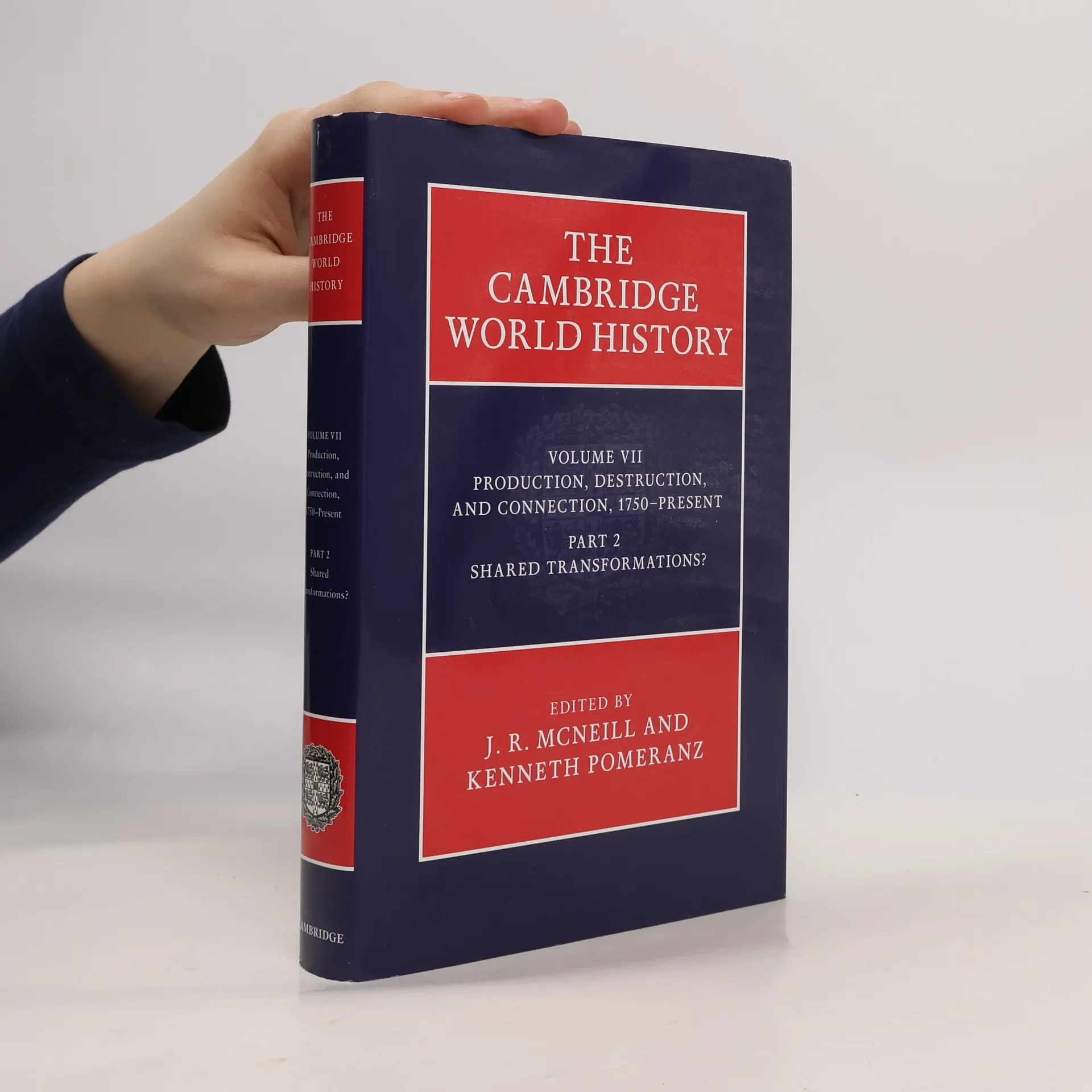
The Cambridge World History
Production, Destruction, and Connection, 1750-Present, Part 2, Shared Transformations
Valutazione del libro
Maggiori informazioni sul libro
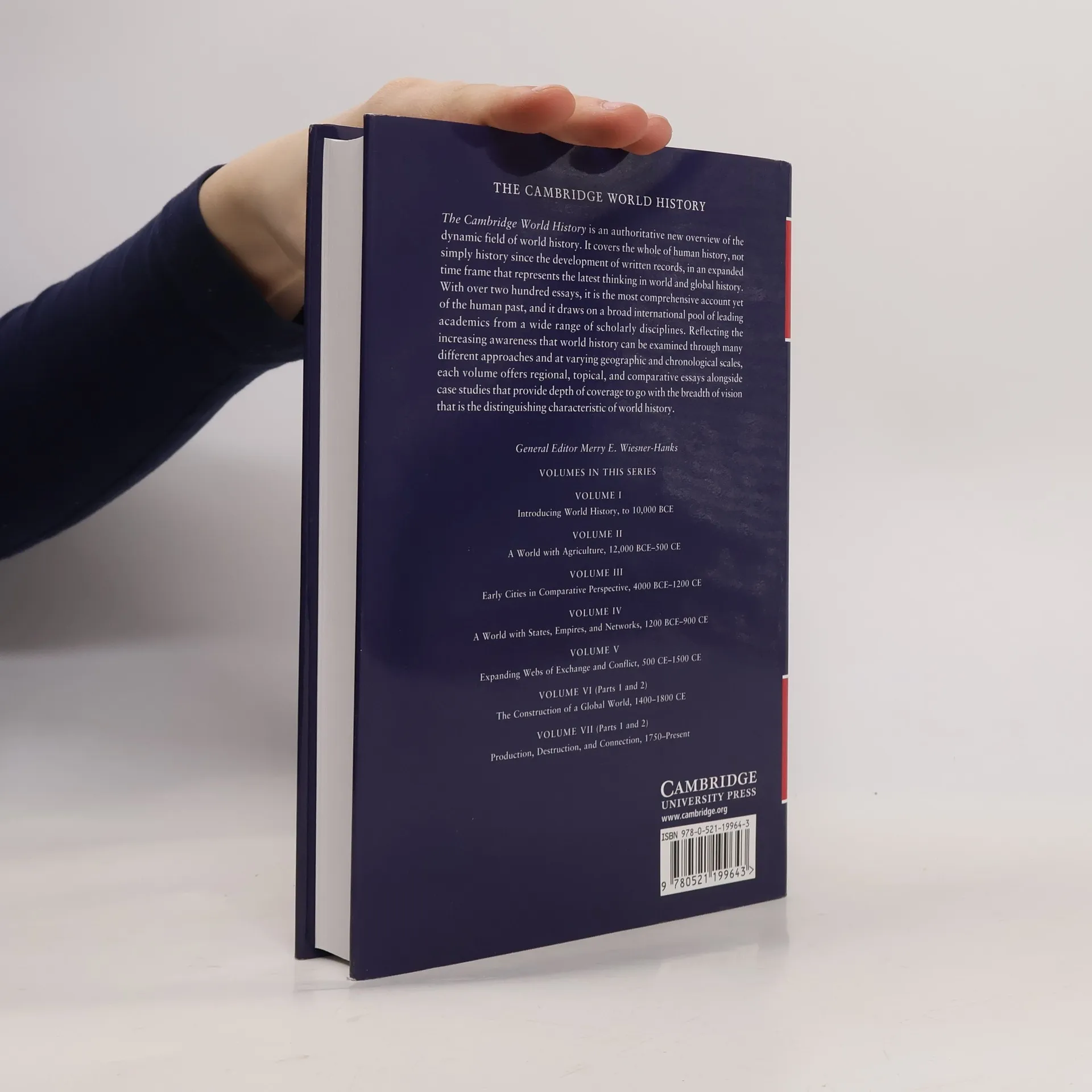
Since 1750, the world has become ever more connected, with processes of production and destruction no longer limited by land- or water-based modes of transport and communication. Volume 7 of the Cambridge World History series, divided into two books, offers a variety of angles of vision on the increasingly interconnected history of humankind. The second book questions the extent to which the transformations of the modern world have been shared, focusing on social developments such as urbanization, migration, and changes in family and sexuality; cultural connections through religion, science, music, and sport; ligaments of globalization including rubber, drugs, and the automobile; and moments of particular importance from the Atlantic Revolutions to 1989.
Acquisto del libro
The Cambridge World History, Professor J. R McNeill, Kenneth L. Pomeranz
- Lingua

- Pubblicato
- 2015
- Rilegatura
- (Copertina rigida)
Metodi di pagamento
Qui potrebbe esserci la tua recensione.
- Titolo
- The Cambridge World History
- Sottotitolo
- Production, Destruction, and Connection, 1750-Present, Part 2, Shared Transformations
- Lingua
- Inglese
- Editore
- Cambridge University Press
- Pubblicato
- 2015
- Formato
- Copertina rigida
- Pagine
- 570
- ISBN10
- 0521199646
- ISBN13
- 9780521199643
- Categoria
- Valutazione
- 5 su 5
- Descrizione
- Since 1750, the world has become ever more connected, with processes of production and destruction no longer limited by land- or water-based modes of transport and communication. Volume 7 of the Cambridge World History series, divided into two books, offers a variety of angles of vision on the increasingly interconnected history of humankind. The second book questions the extent to which the transformations of the modern world have been shared, focusing on social developments such as urbanization, migration, and changes in family and sexuality; cultural connections through religion, science, music, and sport; ligaments of globalization including rubber, drugs, and the automobile; and moments of particular importance from the Atlantic Revolutions to 1989.