


Parametri
- 589pagine
- 21 ore di lettura
Maggiori informazioni sul libro
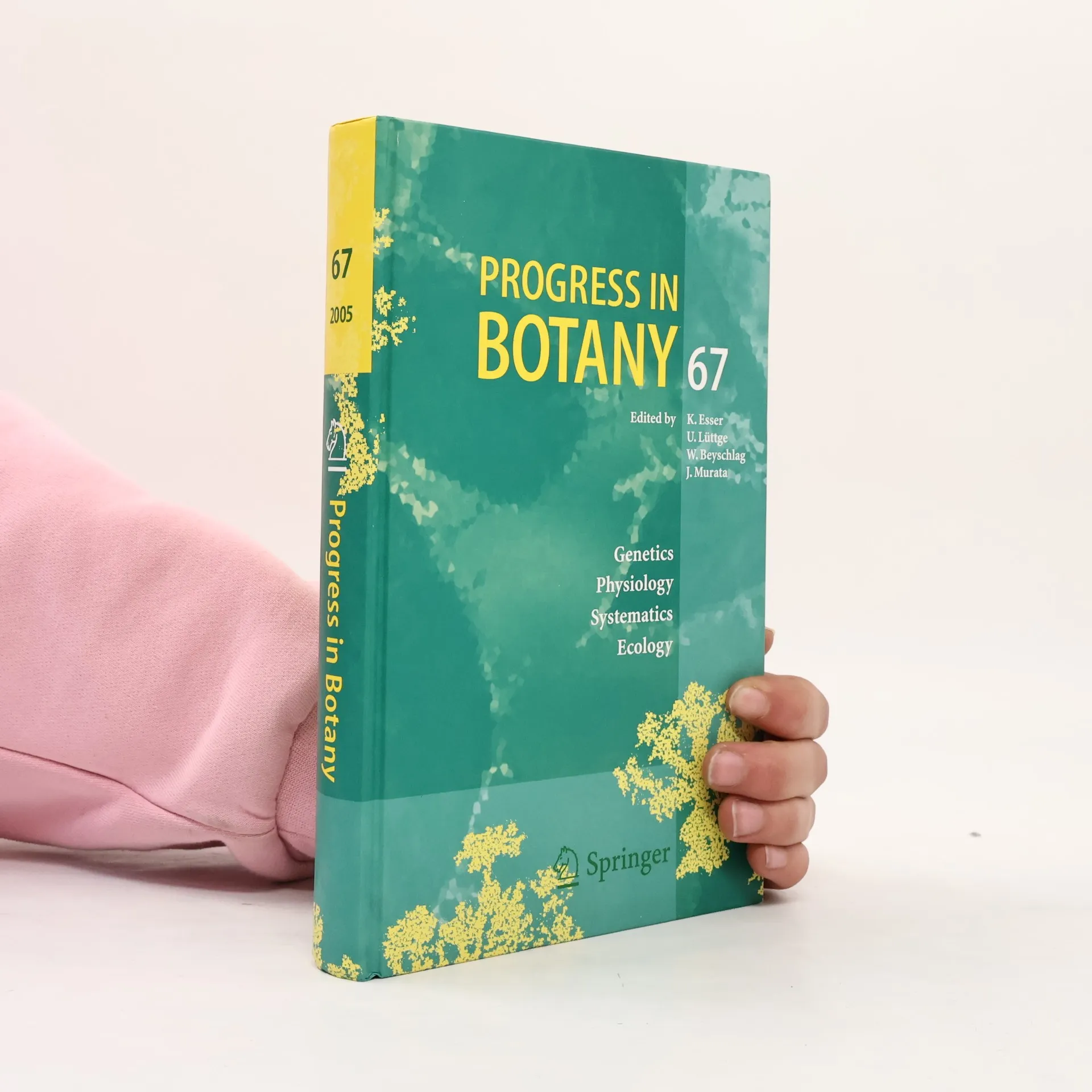
Completing the primary genomic sequence of Arabidopsis thaliana was a major milestone, being the first plant genome and well established as the premiere model species in plant biology. Since working drafts of rice (Oryza sativa L.) genome became available (Yu et al. 2002), it has become the s- ond-best model organism in plants representing monocotyledons. Understanding how the genome sequence comprehensively encodes de- lopmental programs and environmental responses is the next major ch- lenge for all plant genome projects. This requires functional characterization of genes, including identification of regulatory sequences. Several functional genomics approaches were initiated to decode the linear sequence of the model plant Arabidopsis thaliana, including full-length cDNA collections, microarrays, natural variation, knockout collections, and comparative sequence analysis (Borevitz and Ecker 2004). Genomics provides the ess- tial tools to speed up the research work of the traditional molecular gene- cist, and is now a scientific discipline in its own right (Borevitz and Ecker 2004).
Acquisto del libro
Progress in Botany, Vol. 67, Karl Esser, Ulrich Lüttge, Wolfgang Beyschlag, Jin Murata, F. Hellwig
- Lingua

- Pubblicato
- 2005
- Rilegatura
- (Copertina rigida)
Metodi di pagamento
Ancora nessuna valutazione.
- Titolo
- Progress in Botany, Vol. 67
- Lingua
- Inglese
- Editore
- Springer
- Pubblicato
- 2005
- Formato
- Copertina rigida
- Pagine
- 589
- ISBN10
- 3540279970
- ISBN13
- 9783540279976
- Serie
- Categoria
- Tag
- Natura, Scienze Naturali, Scienza, Piante, Tecnologia, Tematica ecologica, Evoluzione, Europa Occidentale, Fisiologia, Silvicoltura, Biotecnologia, Biologia evolutiva, Biodiversità, Ecosistemi, Ecologia delle piante, Vegetazione, Fisiologia delle piante, Genetica delle piante, Grano, Allevamento delle piante
- Descrizione
- Completing the primary genomic sequence of Arabidopsis thaliana was a major milestone, being the first plant genome and well established as the premiere model species in plant biology. Since working drafts of rice (Oryza sativa L.) genome became available (Yu et al. 2002), it has become the s- ond-best model organism in plants representing monocotyledons. Understanding how the genome sequence comprehensively encodes de- lopmental programs and environmental responses is the next major ch- lenge for all plant genome projects. This requires functional characterization of genes, including identification of regulatory sequences. Several functional genomics approaches were initiated to decode the linear sequence of the model plant Arabidopsis thaliana, including full-length cDNA collections, microarrays, natural variation, knockout collections, and comparative sequence analysis (Borevitz and Ecker 2004). Genomics provides the ess- tial tools to speed up the research work of the traditional molecular gene- cist, and is now a scientific discipline in its own right (Borevitz and Ecker 2004).