



Maggiori informazioni sul libro
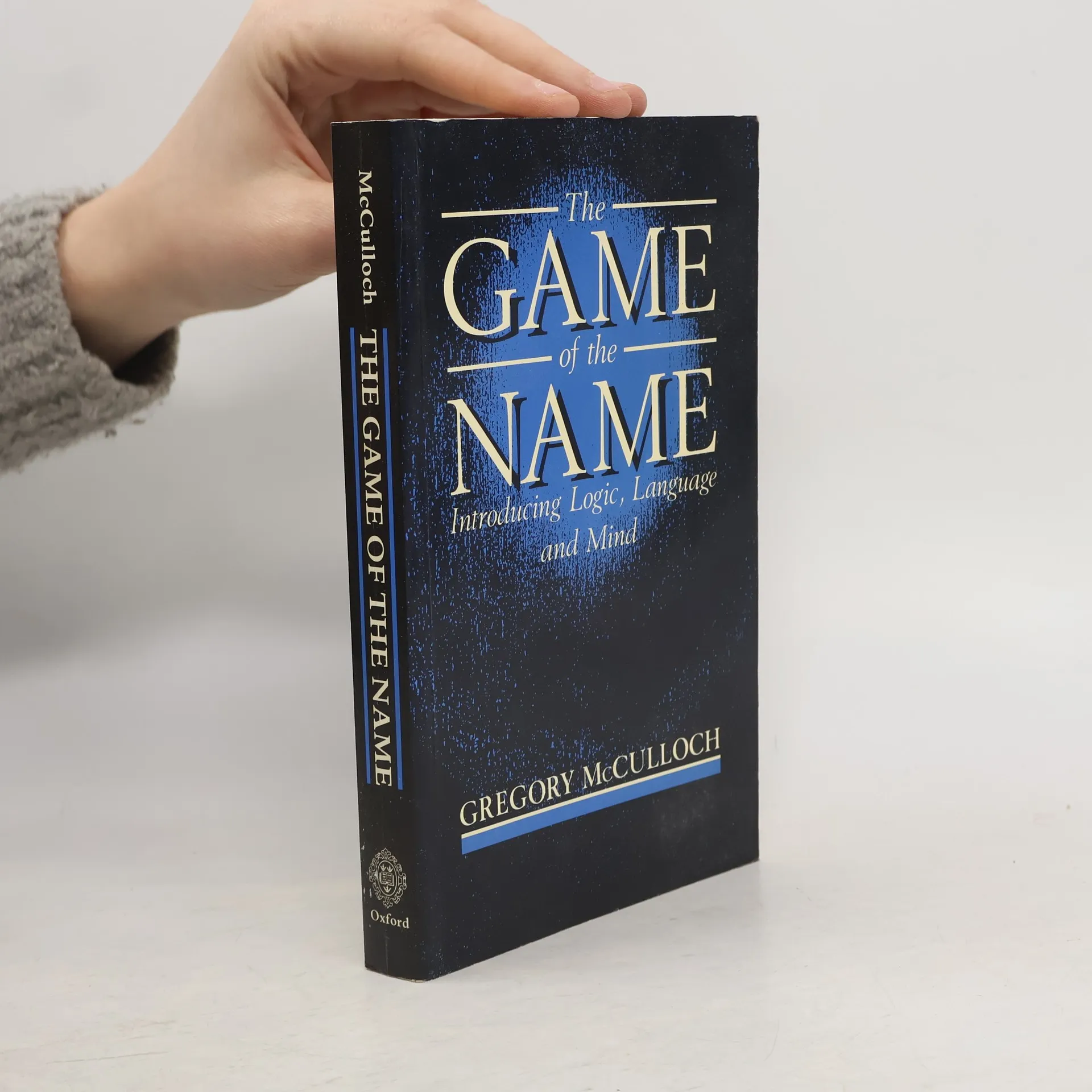
This book provides an introduction to modern work in the field of analytic philosophy, a field primarily concerned with the investigation of language and the analysis of mind. Using the example of the proper name, McCulloch gives a clear explanation of the seminal logical theories of Gottlob Frege, and explains the application of these ideas to ordinary language, including such topics as Russell on definite descriptions and Kripke on names. He then shows how the key issue of meaning is itself rooted in the philosophy of mind and the question of intentionality--how the mind represents the world. He concludes with an examination of the different ways in which thought can be "about" individual material objects.
Acquisto del libro
The Game of the Name, Gregory McCulloch
- Lingua

- Pubblicato
- 1989
- Rilegatura
- (In brossura)
Metodi di pagamento
Qui potrebbe esserci la tua recensione.
- Titolo
- The Game of the Name
- Sottotitolo
- Introducing Logic, Language and Mind
- Lingua
- Inglese
- Autori
- Gregory McCulloch
- Editore
- Clarendon Press
- Pubblicato
- 1989
- Formato
- In brossura
- Pagine
- 336
- ISBN10
- 0198750862
- ISBN13
- 9780198750864
- Serie
- Categoria
- Valutazione
- 3,45 su 5
- Descrizione
- This book provides an introduction to modern work in the field of analytic philosophy, a field primarily concerned with the investigation of language and the analysis of mind. Using the example of the proper name, McCulloch gives a clear explanation of the seminal logical theories of Gottlob Frege, and explains the application of these ideas to ordinary language, including such topics as Russell on definite descriptions and Kripke on names. He then shows how the key issue of meaning is itself rooted in the philosophy of mind and the question of intentionality--how the mind represents the world. He concludes with an examination of the different ways in which thought can be "about" individual material objects.