



Valutazione del libro
Parametri
- 467pagine
- 17 ore di lettura
Maggiori informazioni sul libro
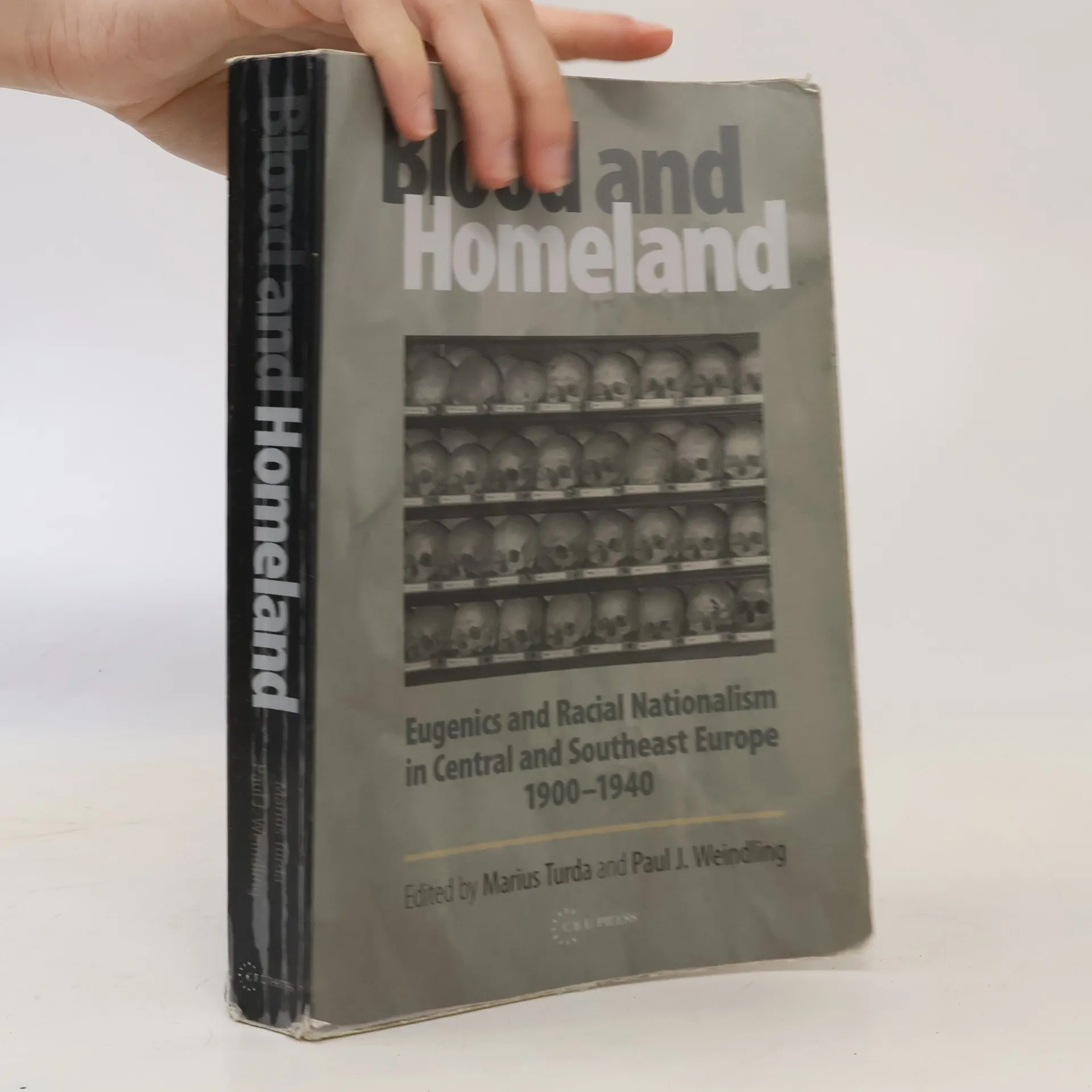
The history of eugenics and racial nationalism in Central and Southeast Europe is a neglected topic of analysis in contemporary scholarship. The 20 essays in this volume, written by distinguished scholars of eugenics and fascism alongside a new generation of scholars, excavate the hitherto unknown eugenics movements in Central and Southeast Europe, including Austria and Germany. Eugenics and racial nationalism are topics that have constantly been marginalized and rated as incompatible with local national traditions in Central and Southeast Europe. These topics receive a new treatment here. On the one hand, the historiographic perspective connects developments in the history of anthropology and eugenics with political ideologies such as racial nationalism and anti-semitism; on the other hand, it contests the 'Sonderweg' approach adopted by scholars dealing with these issues.
Acquisto del libro
Blood and Homeland, Marius Turda, Paul J. Weindling
- Lingua

- Pubblicato
- 2006
- Rilegatura
- (In brossura)
Metodi di pagamento
Qui potrebbe esserci la tua recensione.
- Titolo
- Blood and Homeland
- Sottotitolo
- Eugenics and Racial Nationalism in Central and Southeast Europe, 1900-1940
- Lingua
- Inglese
- Autori
- Marius Turda, Paul J. Weindling
- Pubblicato
- 2006
- Formato
- In brossura
- Pagine
- 467
- ISBN10
- 9637326812
- ISBN13
- 9789637326813
- Serie
- Categoria
- Tag
- Tema stórico, Temi cristiani, Scienza, XX Secolo, Europa, Storia d'Europa, Teorie Politiche, Razza, Razzismo, Chiesa Cattolica, Europa Centrale, Europa Orientale, Nazionalismo, Discriminazione, Etnia, Protestantesimo, Demografia, Prigionieri di guerra, Eugenetica
- Valutazione
- 4,8 su 5
- Descrizione
- The history of eugenics and racial nationalism in Central and Southeast Europe is a neglected topic of analysis in contemporary scholarship. The 20 essays in this volume, written by distinguished scholars of eugenics and fascism alongside a new generation of scholars, excavate the hitherto unknown eugenics movements in Central and Southeast Europe, including Austria and Germany. Eugenics and racial nationalism are topics that have constantly been marginalized and rated as incompatible with local national traditions in Central and Southeast Europe. These topics receive a new treatment here. On the one hand, the historiographic perspective connects developments in the history of anthropology and eugenics with political ideologies such as racial nationalism and anti-semitism; on the other hand, it contests the 'Sonderweg' approach adopted by scholars dealing with these issues.