

Maggiori informazioni sul libro
Excerpt from Stylpho: In der Ursprünglichen Fassung aus dem Cod. Upsal. 687 Universität. Dem die Erteilung der Rechte und des Grades des Licentiaten zustand, Magister Jakob W impheling der zu gleich Dekan der Artistenfakultät war, eine Ansprache an die Licentianden. In welcher er sie an die Bedeutung und die Pflichten ihrer neuen Würde erinnerte, und übertrug ihnen namens des Kanzlers der Universität, des \vorn'rser Dom propstes Nikolaus von Helmstadt. Die licentia in artibus. About the Publisher Forgotten Books publishes hundreds of thousands of rare and classic books. In rare cases, an imperfection in the original, such as a blemish or missing page, may be replicated in our edition. We do, however, repair the vast majority of imperfections successfully; any imperfections that remain are intentionally left to preserve the state of such historical works.
Acquisto del libro
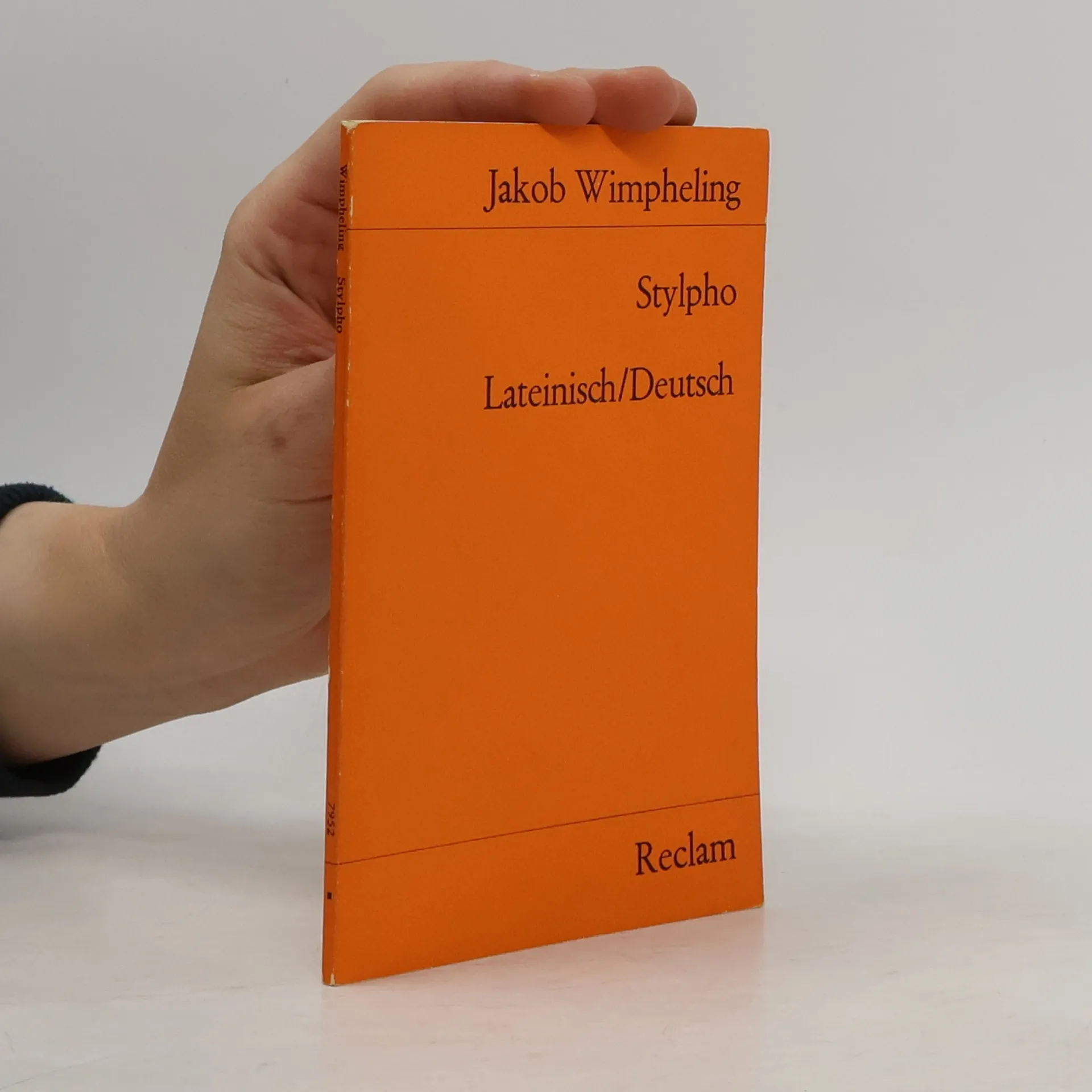
Stylpho, Jakob Wimpheling, Harry C. Schnur
- Lingua


- Pubblicato
- 1892
- Rilegatura
- (In brossura)
Metodi di pagamento
Ancora nessuna valutazione.
- Titolo
- Stylpho
- Lingua
- Tedesco, Latino
- Autori
- Jakob Wimpheling, Harry C. Schnur
- Editore
- Reclam
- Pubblicato
- 1892
- Formato
- In brossura
- Pagine
- 61
- ISBN10
- 3150079527
- ISBN13
- 9783150079522
- Serie
- Categoria
- Tag
- Tema stórico, Libri di testo, Libri di testo universitari, Altra storia, Filosofia dell'educazione
- Descrizione
- Excerpt from Stylpho: In der Ursprünglichen Fassung aus dem Cod. Upsal. 687 Universität. Dem die Erteilung der Rechte und des Grades des Licentiaten zustand, Magister Jakob W impheling der zu gleich Dekan der Artistenfakultät war, eine Ansprache an die Licentianden. In welcher er sie an die Bedeutung und die Pflichten ihrer neuen Würde erinnerte, und übertrug ihnen namens des Kanzlers der Universität, des \vorn'rser Dom propstes Nikolaus von Helmstadt. Die licentia in artibus. About the Publisher Forgotten Books publishes hundreds of thousands of rare and classic books. In rare cases, an imperfection in the original, such as a blemish or missing page, may be replicated in our edition. We do, however, repair the vast majority of imperfections successfully; any imperfections that remain are intentionally left to preserve the state of such historical works.