

Maggiori informazioni sul libro
Philip Melanchthon (1497-1560), humanist and colleague of Martin Luther, is best known for his educational reforms, for which he earned the title Praeceptor Germaniae (the Teacher of Germany). His most influential form of philosophical writing was the academic oration, and this volume presents a large and wide-ranging selection of his orations and textbook prefaces, many of which are here translated into English for the first time. They set out his views on the distinction between faith and reason, the role of philosophy in education, moral philosophy, natural philosophy, astronomy and astrology, and the importance of philosophy to a true Christian, as well as his views on Classical philosophical authorities such as Plato and Aristotle, and on contemporaries such as Erasmus and Luther. Powerfully influential in their time, inspiring many Protestant students to study philosophy, mathematics and natural philosophy, they illuminate the relationship between Renaissance and Reformation thought.
Acquisto del libro
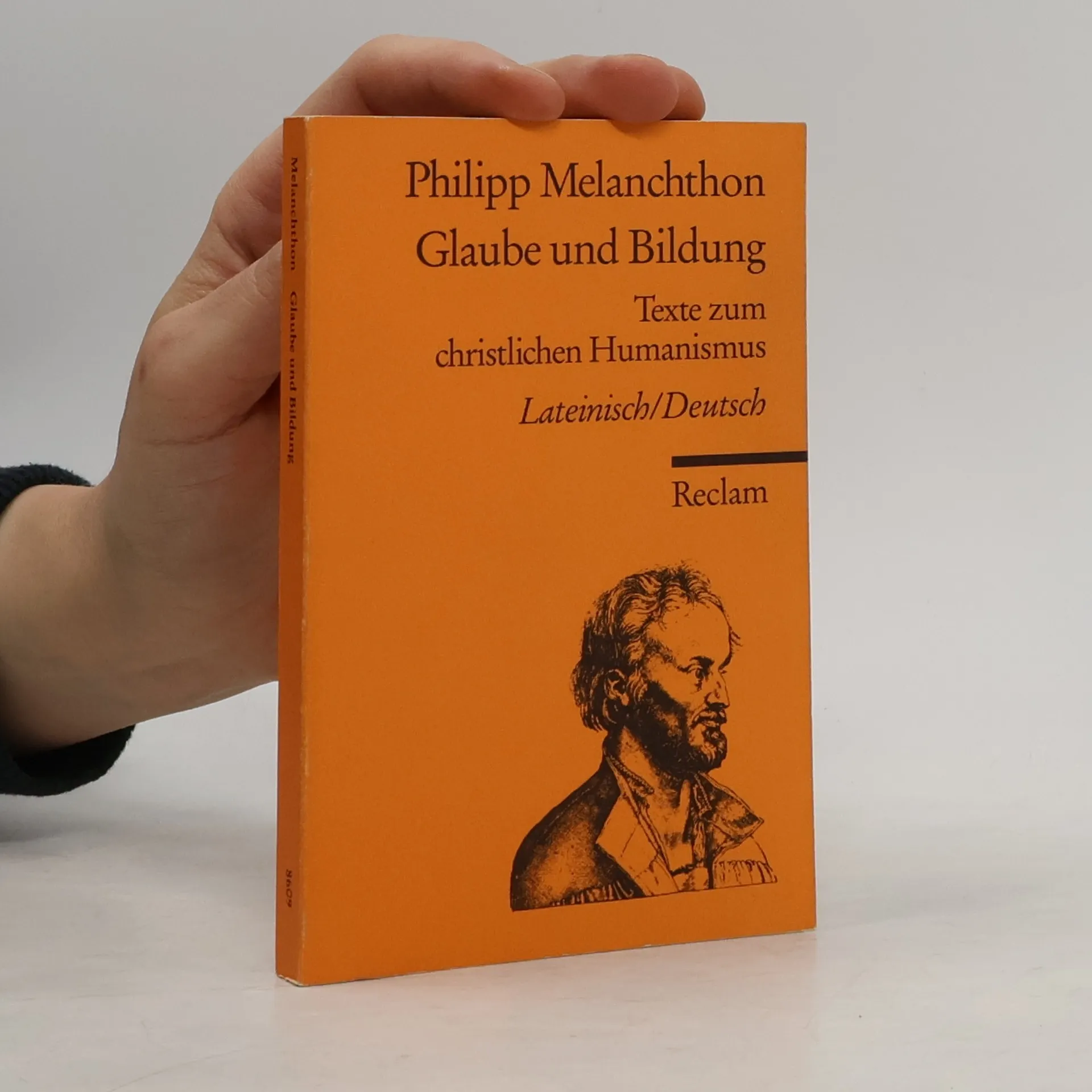
Glaube und Bildung, Lateinisch-Deutsch, Philipp Melanchthon, Günter R. Schmidt
- Lingua


- Pubblicato
- 1989
- Rilegatura
- (In brossura)
Metodi di pagamento
Qui potrebbe esserci la tua recensione.
- Titolo
- Glaube und Bildung, Lateinisch-Deutsch
- Lingua
- Tedesco, Latino
- Editore
- Reclam
- Pubblicato
- 1989
- Formato
- In brossura
- Pagine
- 221
- ISBN10
- 3150086094
- ISBN13
- 9783150086094
- Serie
- Valutazione
- 3,5 su 5
- Descrizione
- Philip Melanchthon (1497-1560), humanist and colleague of Martin Luther, is best known for his educational reforms, for which he earned the title Praeceptor Germaniae (the Teacher of Germany). His most influential form of philosophical writing was the academic oration, and this volume presents a large and wide-ranging selection of his orations and textbook prefaces, many of which are here translated into English for the first time. They set out his views on the distinction between faith and reason, the role of philosophy in education, moral philosophy, natural philosophy, astronomy and astrology, and the importance of philosophy to a true Christian, as well as his views on Classical philosophical authorities such as Plato and Aristotle, and on contemporaries such as Erasmus and Luther. Powerfully influential in their time, inspiring many Protestant students to study philosophy, mathematics and natural philosophy, they illuminate the relationship between Renaissance and Reformation thought.