

Maggiori informazioni sul libro
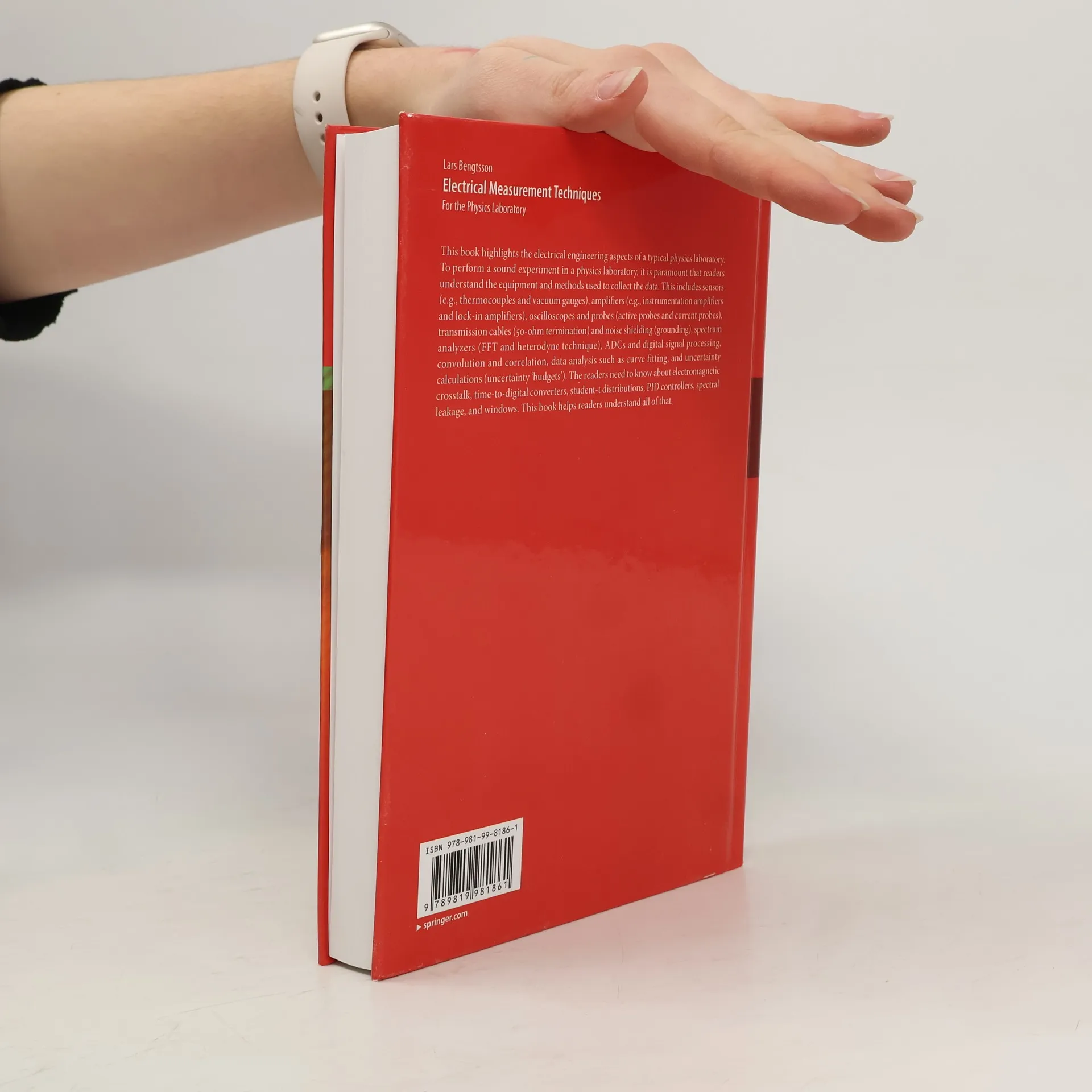
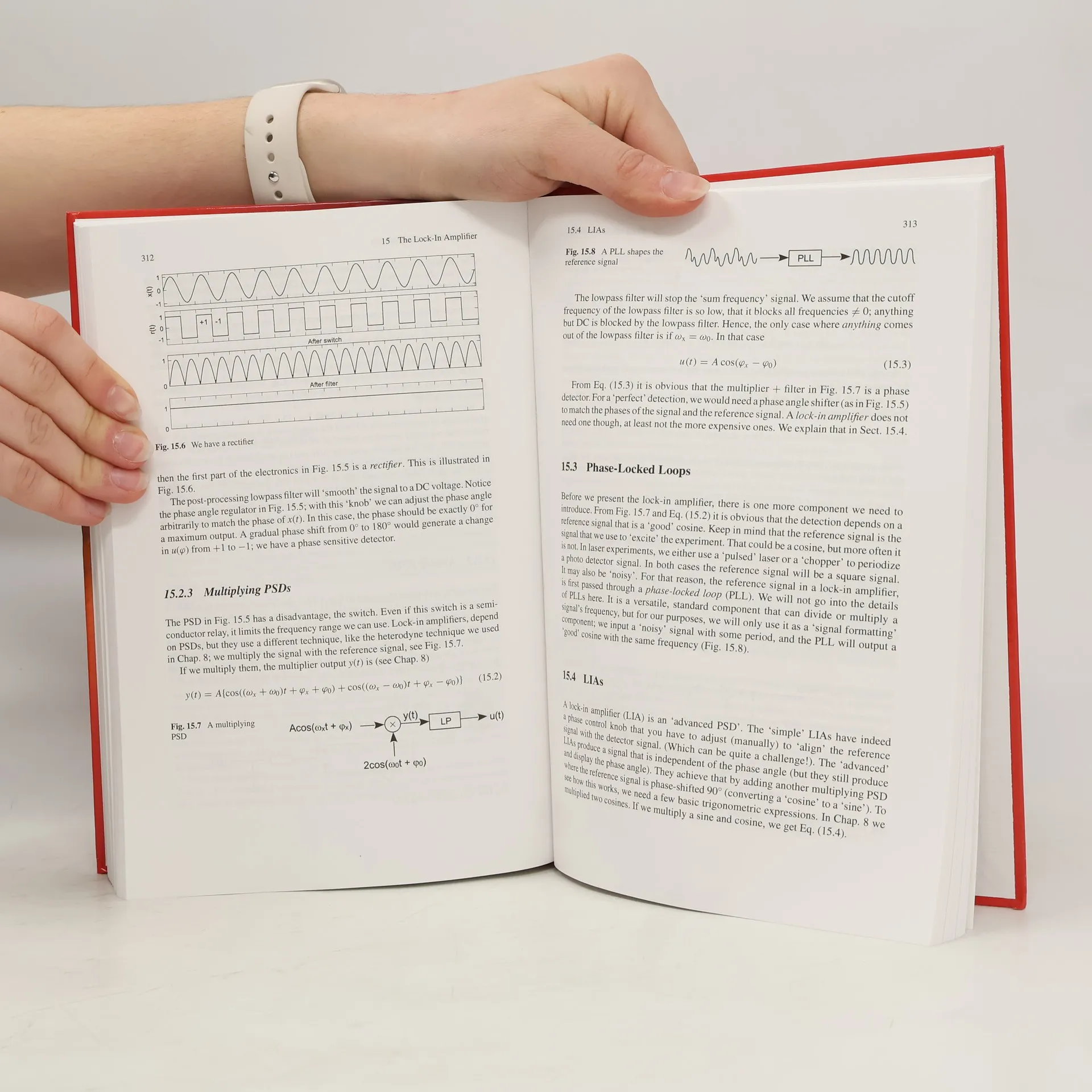
This book highlights the electrical engineering aspects of a typical physics laboratory. To perform a sound experiment in a physics laboratory, it is paramount that readers understand the equipment and methods used to collect the data. This includes sensors (e.g., thermocouples and vacuum gauges), amplifiers (e.g., instrumentation amplifiers and lock-in amplifiers), oscilloscopes and probes (active probes and current probes), transmission cables (50-ohm termination) and noise shielding (grounding), spectrum analyzers (FFT and heterodyne technique), ADCs and digital signal processing, convolution and correlation, data analysis such as curve fitting, and uncertainty calculations (uncertainty ‘budgets’). The readers need to know about electromagnetic crosstalk, time-to-digital converters, student-t distributions, PID controllers, spectral leakage, and windows. This book helps readers understand all of that.
Acquisto del libro
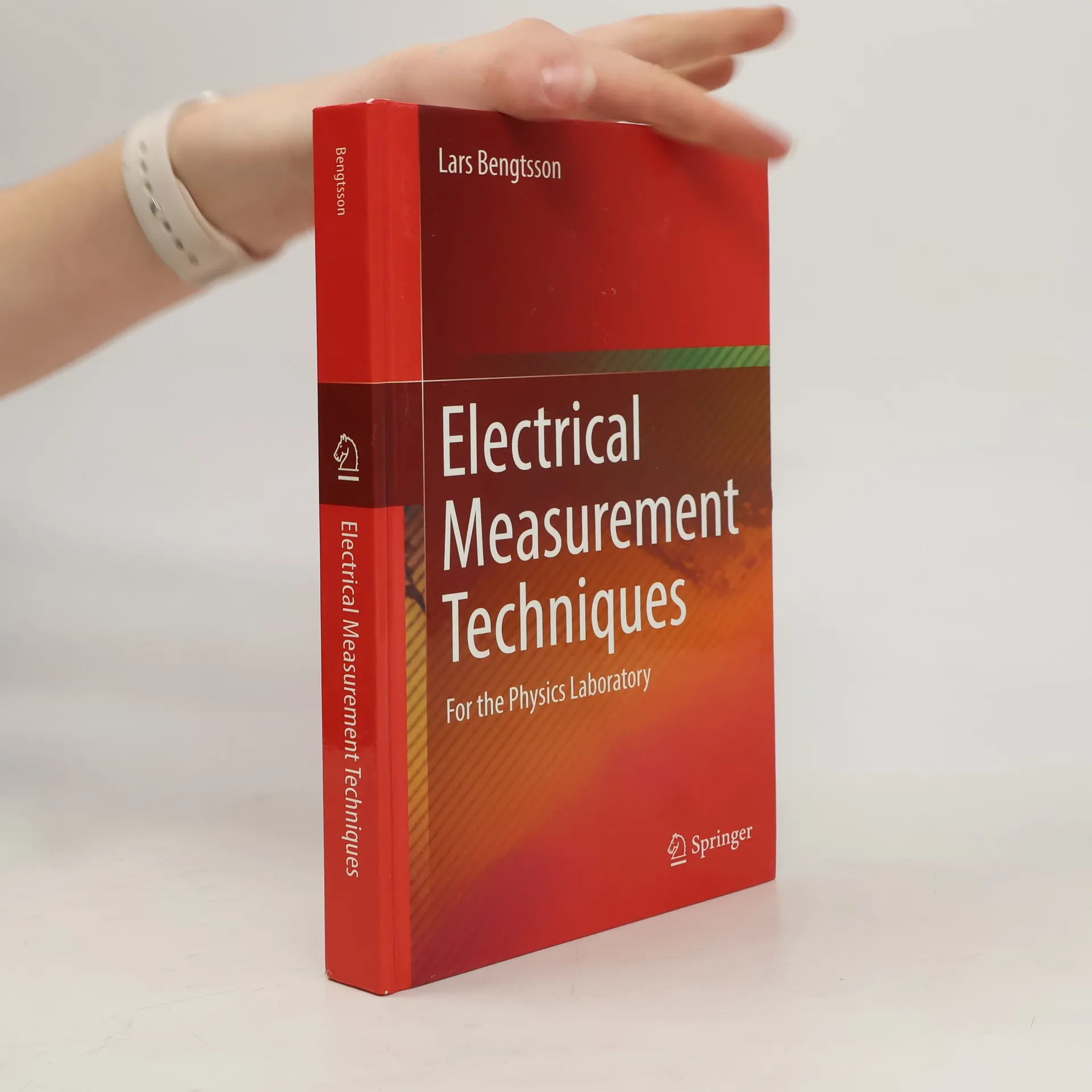
Electrical Measurement Techniques, Lars Bengtsson
- Lingua

- Pubblicato
- 2024
- Rilegatura
- (Copertina rigida)
Metodi di pagamento
Qui potrebbe esserci la tua recensione.
- Titolo
- Electrical Measurement Techniques
- Sottotitolo
- For the Physics Laboratory
- Lingua
- Inglese
- Autori
- Lars Bengtsson
- Editore
- Springer Nature Singapore
- Pubblicato
- 2024
- Formato
- Copertina rigida
- Pagine
- 423
- ISBN10
- 9819981867
- ISBN13
- 9789819981861
- Serie
- Valutazione
- 5 su 5
- Descrizione
- This book highlights the electrical engineering aspects of a typical physics laboratory. To perform a sound experiment in a physics laboratory, it is paramount that readers understand the equipment and methods used to collect the data. This includes sensors (e.g., thermocouples and vacuum gauges), amplifiers (e.g., instrumentation amplifiers and lock-in amplifiers), oscilloscopes and probes (active probes and current probes), transmission cables (50-ohm termination) and noise shielding (grounding), spectrum analyzers (FFT and heterodyne technique), ADCs and digital signal processing, convolution and correlation, data analysis such as curve fitting, and uncertainty calculations (uncertainty ‘budgets’). The readers need to know about electromagnetic crosstalk, time-to-digital converters, student-t distributions, PID controllers, spectral leakage, and windows. This book helps readers understand all of that.