

Maggiori informazioni sul libro
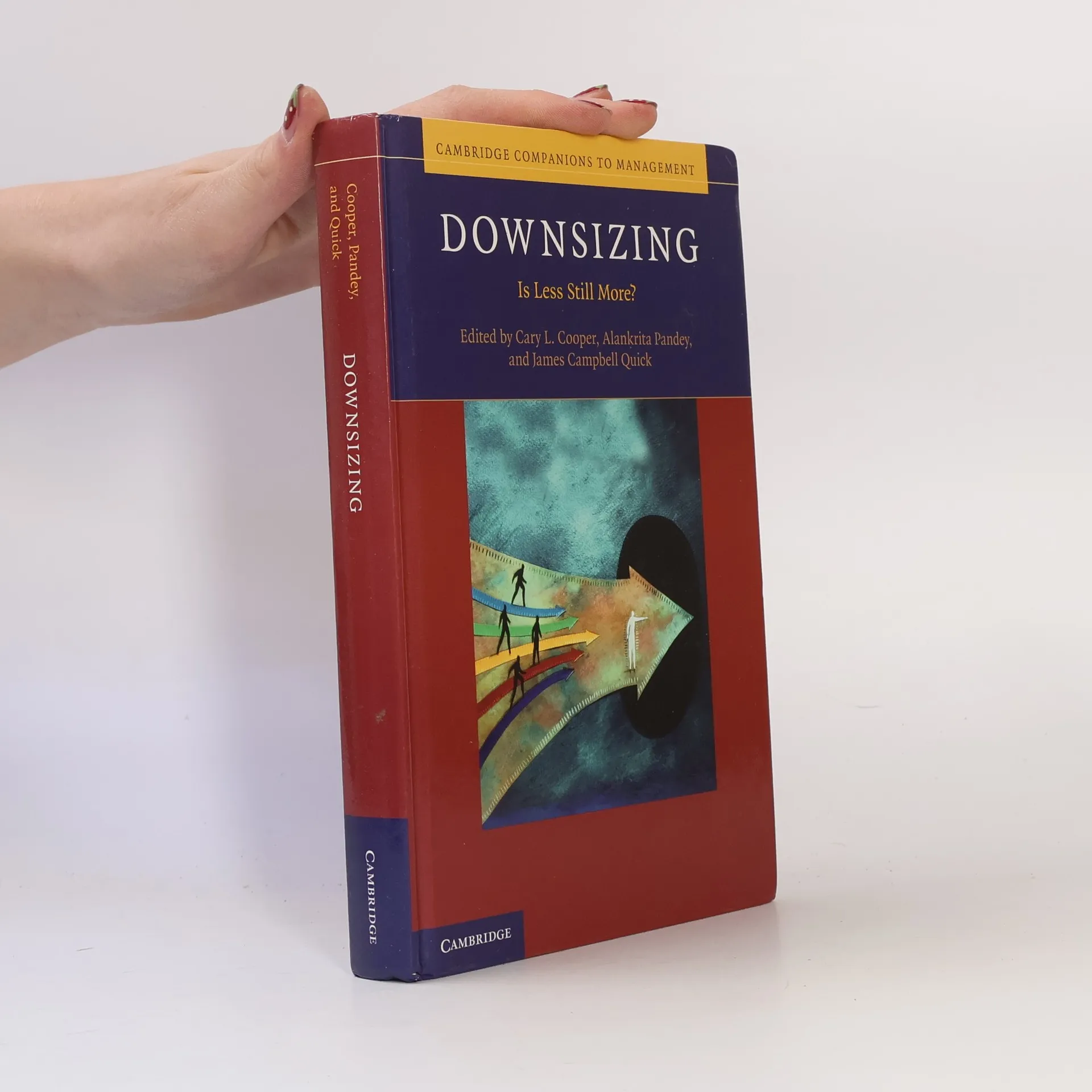
Downsizing is one of the most frequently used business strategies for reducing costs, returning firms to profit or for restructuring businesses following takeovers, mergers and acquisitions. Downsizing measures are also set to become much more prevalent in the public sector as governments seek to restrict levels of public spending. This book is one of the first to provide a thorough study of downsizing from a global perspective. It examines the phenomenon in its entirety, exploring how it is initiated and what the process of downsizing looks like. It also looks at the effects of downsizing at a number of different levels, from the individual (e.g., motivational effects, effects on health and stress levels) to the organizational (e.g., financial outcomes, reputational and productivity outcomes). Written by an international team of experts, the book provides a comprehensive overview of downsizing that examines both the strategic and human implications of this process.
Acquisto del libro
Downsizing, Cary L. Cooper, Alankrita Pandey, James C. Quick
- Lingua

- Pubblicato
- 2012
- Rilegatura
- (Copertina rigida)
Metodi di pagamento
Qui potrebbe esserci la tua recensione.
- Titolo
- Downsizing
- Sottotitolo
- Is Less Still More?
- Lingua
- Inglese
- Editore
- Cambridge University Press
- Pubblicato
- 2012
- Formato
- Copertina rigida
- Pagine
- 460
- ISBN10
- 1107004675
- ISBN13
- 9781107004672
- Serie
- Valutazione
- 5 su 5
- Descrizione
- Downsizing is one of the most frequently used business strategies for reducing costs, returning firms to profit or for restructuring businesses following takeovers, mergers and acquisitions. Downsizing measures are also set to become much more prevalent in the public sector as governments seek to restrict levels of public spending. This book is one of the first to provide a thorough study of downsizing from a global perspective. It examines the phenomenon in its entirety, exploring how it is initiated and what the process of downsizing looks like. It also looks at the effects of downsizing at a number of different levels, from the individual (e.g., motivational effects, effects on health and stress levels) to the organizational (e.g., financial outcomes, reputational and productivity outcomes). Written by an international team of experts, the book provides a comprehensive overview of downsizing that examines both the strategic and human implications of this process.