

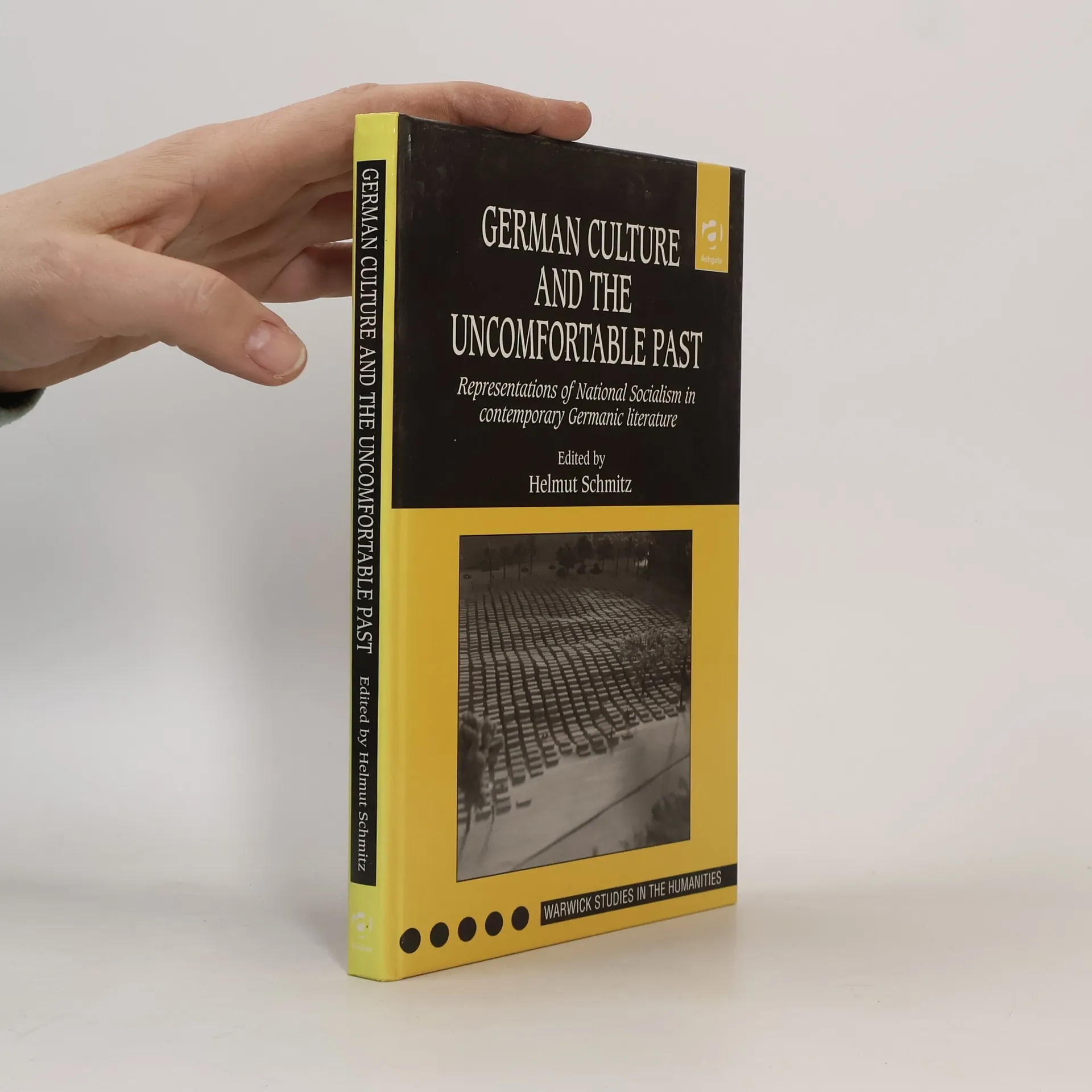
German Culture and the Uncomfortable Past
Autori
Maggiori informazioni sul libro
Beginning with the question of the role of the past in the shaping of a contemporary identity, this volumes spans three generations of German and Austrian writers and explores changes and shifts in the aesthetics of Vergangenheitsbewältigung (coming to terms with the past). The purpose of the book is to assess contemporary German literary representations of National Socialism in a wider context of these current debates. The contributors address questions arising from a shift over the last decade, triggered by a generation change-questions of personal and national identity in Germany and Austria, and the aesthetics of memory. One of the central questions that emerges in relation to the Hitler youth generation is that of biography, as examined through Günter Grass' and Martin Walser's conflicting views on the subject of National Socialism. Other themes explored here are the conflict between the post-war generations and the contributions of that conflict to (West)-German mentality, and the growing historical distance and its influence on the aesthetics of representation.
Acquisto del libro
German Culture and the Uncomfortable Past, Helmut Schmitz
- Lingua

- Pubblicato
- 2001
- Rilegatura
- (Copertina rigida)
Metodi di pagamento
Ancora nessuna valutazione.
- Titolo
- German Culture and the Uncomfortable Past
- Lingua
- Inglese
- Autori
- Helmut Schmitz
- Editore
- Ashgate
- Pubblicato
- 2001
- Formato
- Copertina rigida
- Pagine
- 250
- ISBN10
- 0754601129
- ISBN13
- 9780754601128
- Serie
- Categoria
- Descrizione
- Beginning with the question of the role of the past in the shaping of a contemporary identity, this volumes spans three generations of German and Austrian writers and explores changes and shifts in the aesthetics of Vergangenheitsbewältigung (coming to terms with the past). The purpose of the book is to assess contemporary German literary representations of National Socialism in a wider context of these current debates. The contributors address questions arising from a shift over the last decade, triggered by a generation change-questions of personal and national identity in Germany and Austria, and the aesthetics of memory. One of the central questions that emerges in relation to the Hitler youth generation is that of biography, as examined through Günter Grass' and Martin Walser's conflicting views on the subject of National Socialism. Other themes explored here are the conflict between the post-war generations and the contributions of that conflict to (West)-German mentality, and the growing historical distance and its influence on the aesthetics of representation.