


Maggiori informazioni sul libro
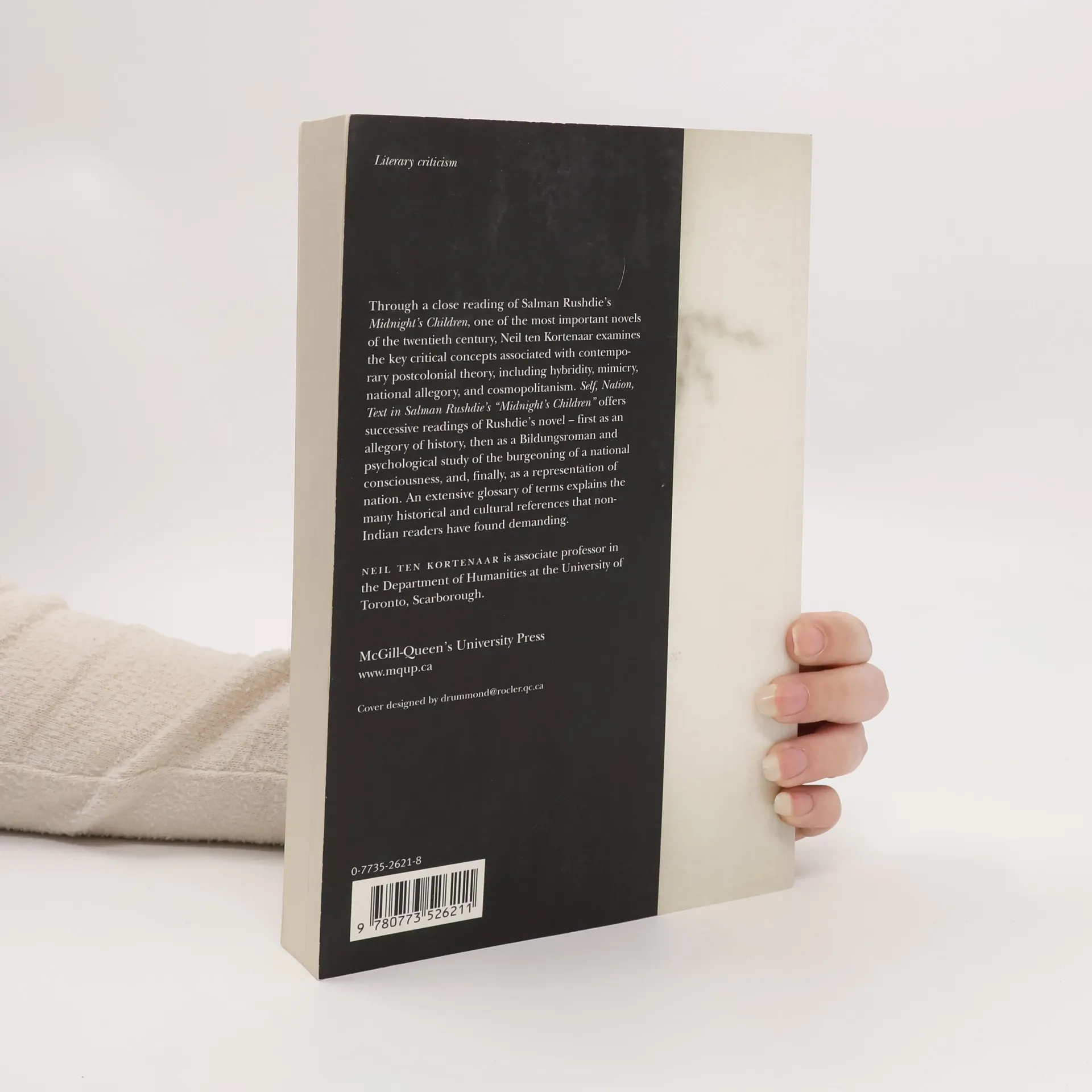
Many non-Indian readers find the historical and cultural references in Salman Rushdie's work challenging. Neil ten Kortenaar's close reading offers post-colonial literary strategies that provide insights into the text while questioning prevailing interpretations. Employing concepts like hybridity, mimicry, national allegory, and cosmopolitanism, ten Kortenaar interprets the narrative as an allegory of history, a Bildungsroman, and a psychological exploration of national consciousness. He argues that the hybridity in Rushdie's fictional India arises from the relationships among its elements rather than a mere amalgamation. The analysis also presents an original perspective on how nation-states are imagined and how national consciousness develops within citizens. The protagonist, Saleem Sinai, initially identifies with the state, but this identification is ultimately stripped away, leading him to recognize himself as the Common Man, vulnerable to state power. Ten Kortenaar reveals a self-aware India, marked by its complex identity and its relationship with Pakistan, contrasting with the communal identities often tied to language. This India is both cosmopolitan and rooted in specific subjective experiences, reflecting a mistrust of the openness associated with Tagore's vision of Hindu India.
Acquisto del libro
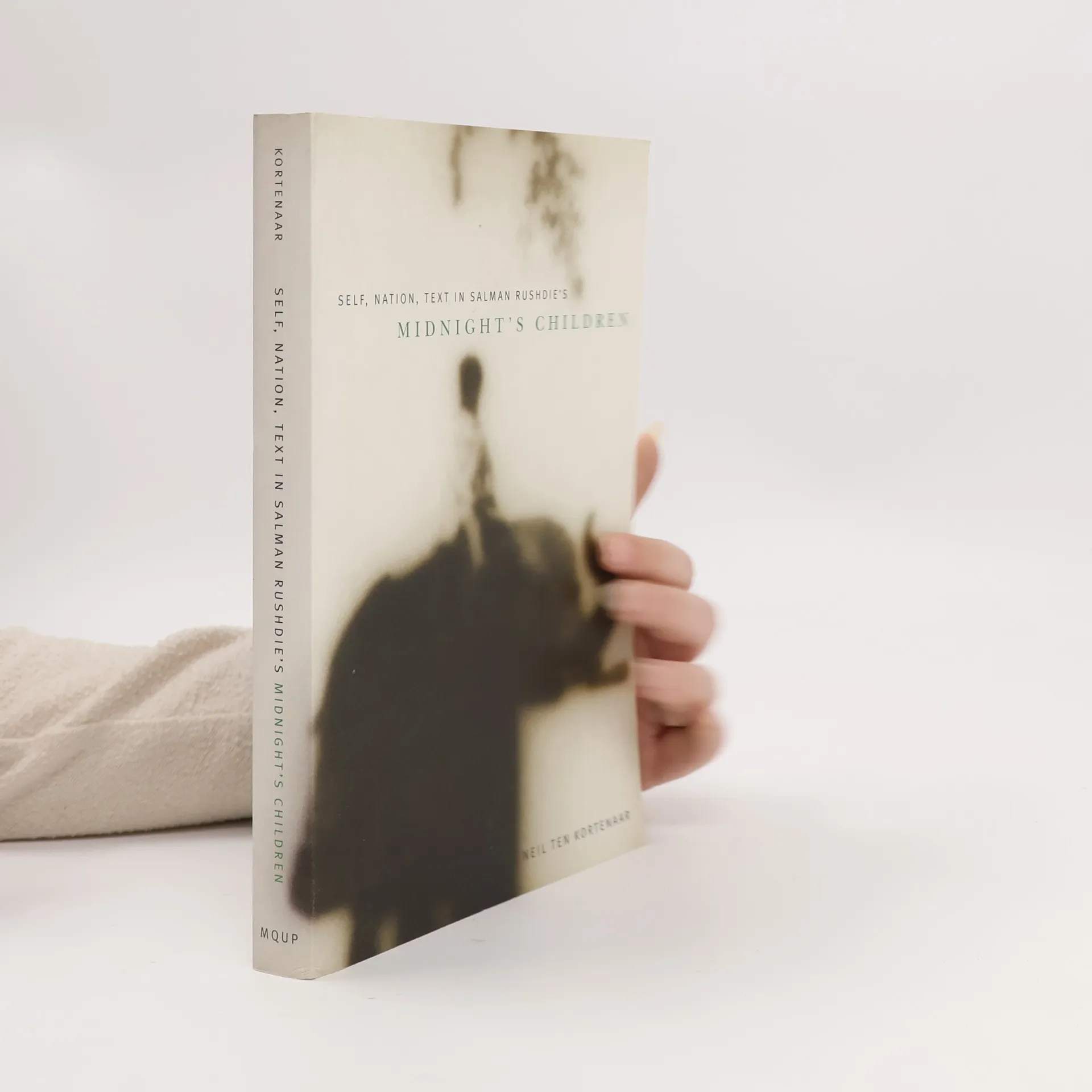
Self, Nation, Text in Salman Rushdie's "Midnight's Children", Neil Ten Kortenaar
- Lingua

- Pubblicato
- 2004
- Rilegatura
- (In brossura),
- Condizioni del libro
- In ottime condizioni
- Prezzo
- 3,19 €
Metodi di pagamento
Ancora nessuna valutazione.
- Titolo
- Self, Nation, Text in Salman Rushdie's "Midnight's Children"
- Lingua
- Inglese
- Autori
- Neil Ten Kortenaar
- Pubblicato
- 2004
- Formato
- In brossura
- Pagine
- 304
- ISBN10
- 0773526218
- ISBN13
- 9780773526211
- Serie
- Descrizione
- Many non-Indian readers find the historical and cultural references in Salman Rushdie's work challenging. Neil ten Kortenaar's close reading offers post-colonial literary strategies that provide insights into the text while questioning prevailing interpretations. Employing concepts like hybridity, mimicry, national allegory, and cosmopolitanism, ten Kortenaar interprets the narrative as an allegory of history, a Bildungsroman, and a psychological exploration of national consciousness. He argues that the hybridity in Rushdie's fictional India arises from the relationships among its elements rather than a mere amalgamation. The analysis also presents an original perspective on how nation-states are imagined and how national consciousness develops within citizens. The protagonist, Saleem Sinai, initially identifies with the state, but this identification is ultimately stripped away, leading him to recognize himself as the Common Man, vulnerable to state power. Ten Kortenaar reveals a self-aware India, marked by its complex identity and its relationship with Pakistan, contrasting with the communal identities often tied to language. This India is both cosmopolitan and rooted in specific subjective experiences, reflecting a mistrust of the openness associated with Tagore's vision of Hindu India.