

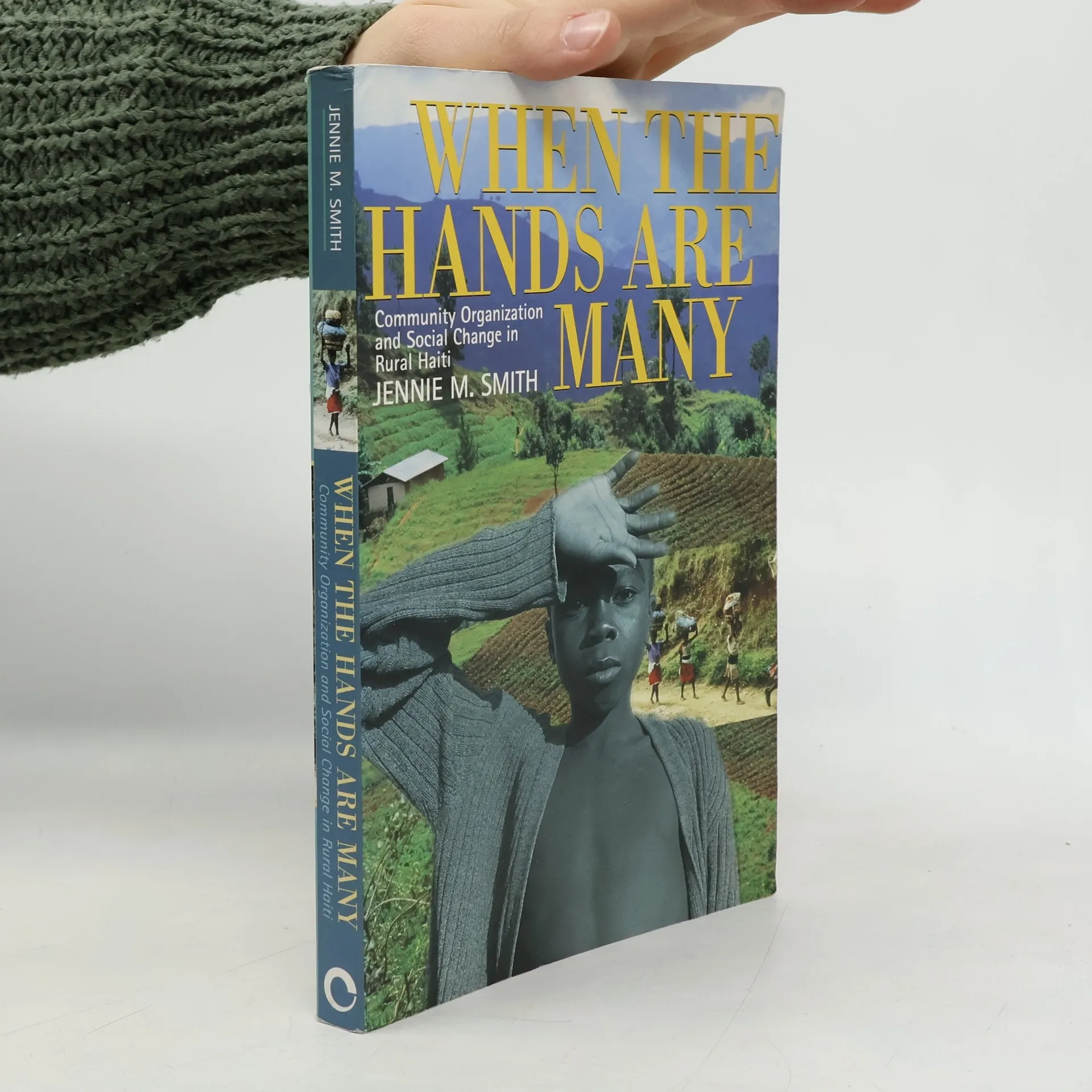
When the Hands Are Many
Community Organization and Social Change in Rural Haiti
Autori
Maggiori informazioni sul libro
In an ethnography that challenges standard approaches to understanding the poor and disempowered, Jennie M. Smith's descriptions of peasant activity change what constitutes a democratic society. Through their civil institutions and artistic expression, Haitian peasants, widely known as some of the world's most impoverished, politically disempowered, and illiterate citizens, debate the meanings of development, democracy, and the public good. Smith offers a historically grounded overview of how the Haitian state and certain foreign powers have sought to develop rural Haiti and relates how Haitian peasants have responded to such efforts through words and deeds. The author argues that songs called chante pwen serve as "melodic machetes," a tool with which the peasants make their voices heard in many social circumstances. When the Hands Are Many illustrates the philosophies, styles, and structures typical of social organization in rural Haiti with narrative portraits of peasant organizations engaged in agricultural work parties, business meetings, religious ceremonies, social service projects, song sessions, and other activities. Smith integrates these organizations' strengths into a new vision for social change and asks what must happen in Haiti and elsewhere to facilitate positive transformation in the world today.
Acquisto del libro
When the Hands Are Many, Jennie Marcelle Smith
- Lingua

- Pubblicato
- 2001
- Rilegatura
- (In brossura)
Metodi di pagamento
Ancora nessuna valutazione.
- Titolo
- When the Hands Are Many
- Sottotitolo
- Community Organization and Social Change in Rural Haiti
- Lingua
- Inglese
- Autori
- Jennie Marcelle Smith
- Editore
- Cornell University Press
- Pubblicato
- 2001
- Formato
- In brossura
- Pagine
- 256
- ISBN10
- 0801486734
- ISBN13
- 9780801486739
- Serie
- Tag
- Descrizione
- In an ethnography that challenges standard approaches to understanding the poor and disempowered, Jennie M. Smith's descriptions of peasant activity change what constitutes a democratic society. Through their civil institutions and artistic expression, Haitian peasants, widely known as some of the world's most impoverished, politically disempowered, and illiterate citizens, debate the meanings of development, democracy, and the public good. Smith offers a historically grounded overview of how the Haitian state and certain foreign powers have sought to develop rural Haiti and relates how Haitian peasants have responded to such efforts through words and deeds. The author argues that songs called chante pwen serve as "melodic machetes," a tool with which the peasants make their voices heard in many social circumstances. When the Hands Are Many illustrates the philosophies, styles, and structures typical of social organization in rural Haiti with narrative portraits of peasant organizations engaged in agricultural work parties, business meetings, religious ceremonies, social service projects, song sessions, and other activities. Smith integrates these organizations' strengths into a new vision for social change and asks what must happen in Haiti and elsewhere to facilitate positive transformation in the world today.